


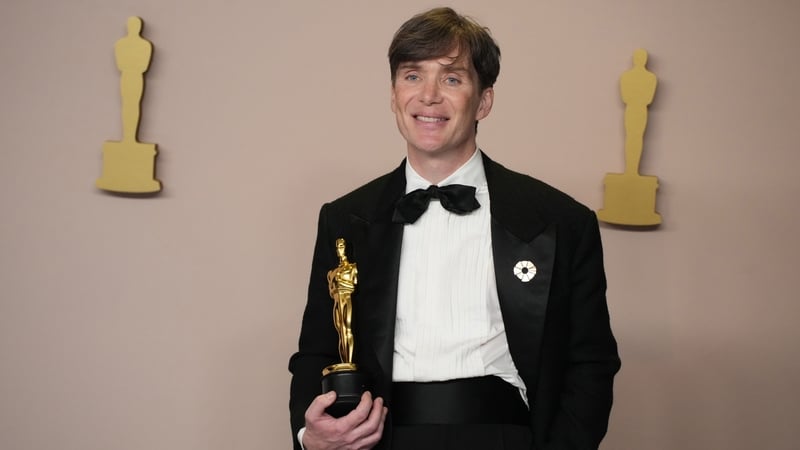

At the Oscars on 15 March, Jessie Buckley could become the first Irish woman to win Best Actress. Here's every Irish Oscar winner so far, from George Bernard Shaw's early writing win to Cillian Murphy's Best Actor moment.
With this year's Academy Awards now in sight, Irish eyes will be on the Dolby Theatre again next weekend. Jessie Buckley is nominated for Best Actress for Hamnet, and if she wins, she will make history as the first Irish woman to ever win an Oscar in this category.
Ireland also has other nominations on the Academy's official list this year, including Dublin visual effects supremo Richard Baneham for Avatar: Fire and Ash, and producers Ed Guiney and Andrew Lowe named as part of the producing team for Best Picture nominee Bugonia. Maggie O'Farrell is nominated for Adapted Screenplay for Hamnet, while Irish animation is represented too, with John Kelly nominated in the Animated Short Film category for Retirement Plan.
While we wait for Oscar night, here's the full list of Irish Academy Award winners to date.
The Irish Oscar winners:
Cedric Gibbons (11 Oscars, 1930, 1935, 1941, 1942, 1945, 1947, 1950, 1952, 1953, 1954, 1957)
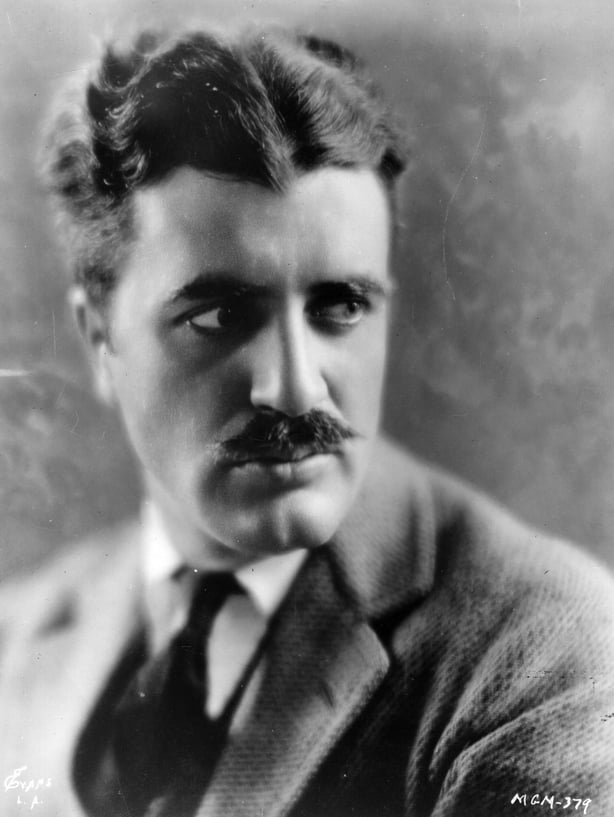
Irish-American Cedric Gibbons is one of the most decorated figures in Academy Awards history, with 11 wins across Art Direction. He is also closely associated with the design of the Oscar statuette itself.
Gibbons ran MGM's art department for decades, overseeing the studio's visual identity from the mid-1920s through to the 1950s and shaping the look of the "golden age" musical, drama and costume picture.
Gibbons was nominated for Art Direction 39 times and credited on nearly 1,500 films, an extraordinary run that underlines just how dominant MGM was in the craft categories during this era.
George Bernard Shaw (1939)
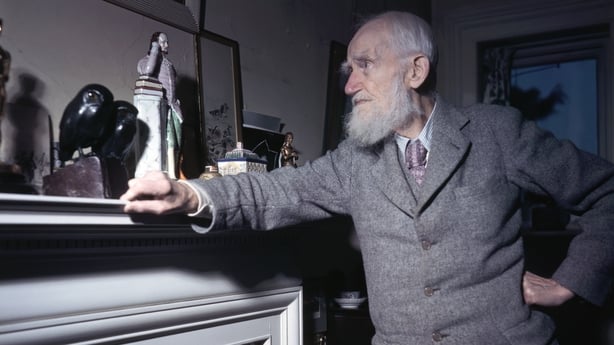
Dublin-born playwright George Bernard Shaw won an Oscar for Pygmalion in the writing category, taking one of the Academy's early screenplay prizes for his work on the film adaptation of his own play.
Shaw already had a Nobel Prize in Literature (1925) by the time he won the Oscar, making him one of only two people to have won both an Oscar and a Nobel Prize - the other is Bob Dylan.
Barry Fitzgerald (1945)
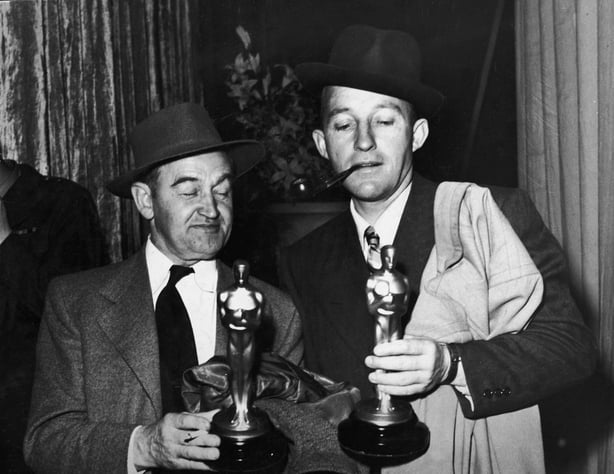
Dublin actor Barry Fitzgerald won Best Supporting Actor for Going My Way. He is also part of Oscars trivia history because he was nominated in two acting categories for the same performance at the same ceremony, something the Academy moved away from in later years.
Fitzgerald remains the only performer ever to be nominated for both Best Actor and Best Supporting Actor for the same role, with the double nod coming for his portrayal of Father Fitzgibbon.
The film itself was a major Oscar hit, winning Best Picture and Best Actor for Bing Crosby.
Michèle Burke (1983 and 1993)
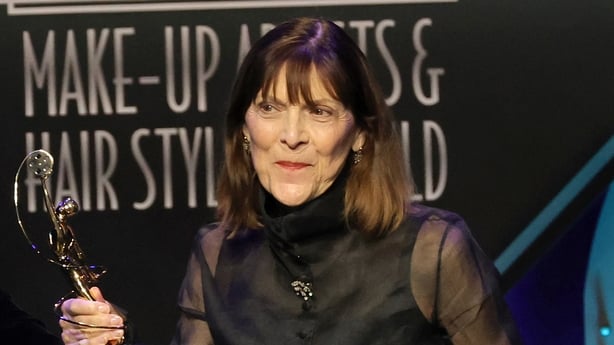
Kildare's Michèle Burke was a trailblazer in her field, becoming the first woman to win the Academy Award for Make-up when she took the Oscar for Quest for Fire, shared with Sarah Monzani.
She won again a decade later for Bram Stoker's Dracula, sharing the award with Greg Cannom and Matthew W. Mungle.
Burke, who died in September 2025, was nominated for six Oscars - winning two - and she also won two BAFTAs and a Primetime Emmy.
Josie MacAvin (1986)
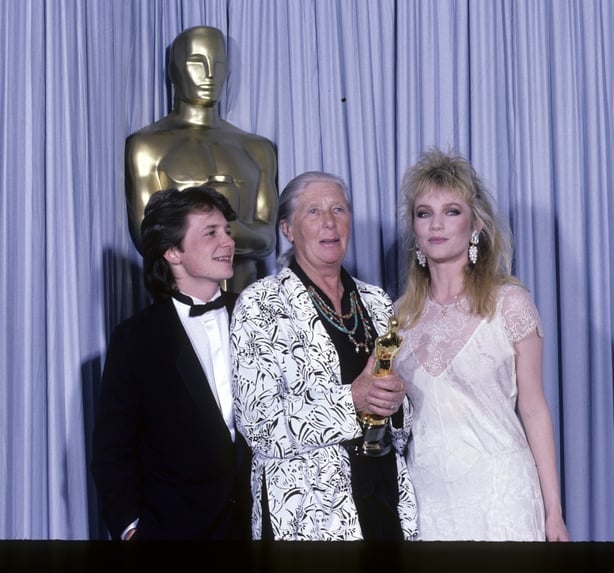
Irish set decorator Josie MacAvin won for Out of Africa in the Art Direction category (credited for set decoration), building a Hollywood career after earlier work in theatre and production.
Her win came after earlier Oscar nominations for Tom Jones and The Spy Who Came in from the Cold.
MacAvin, who died in September 2005, also won a Primetime Emmy for her work as a set decorator on the TV miniseries Scarlett. Both her Oscar and Emmy statuettes are on show at the Irish Film Institute after she donated them for public display.
Daniel Day-Lewis (Irish citizen) (1990, 2008 and 2013)
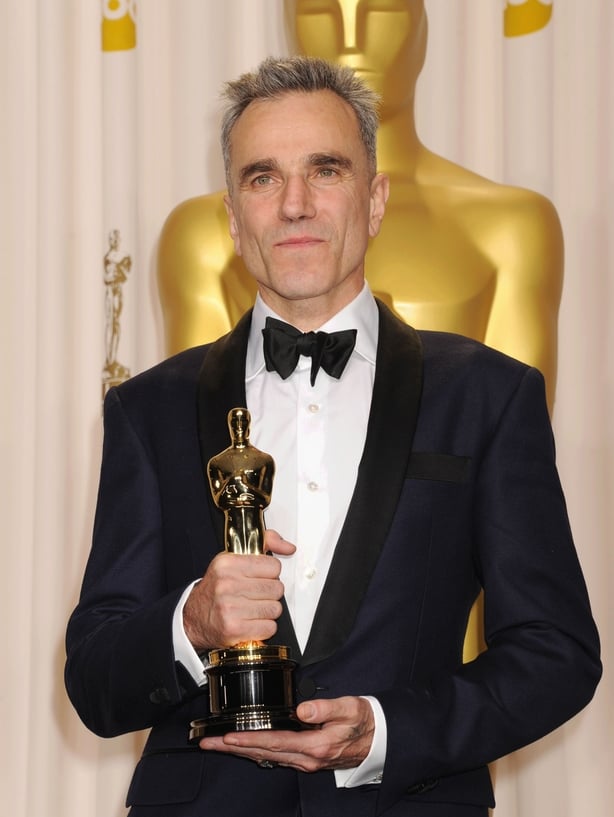
Daniel Day-Lewis is the first three-time winner of the Best Actor Oscar after winning for My Left Foot, There Will Be Blood and Lincoln. He is not Irish-born, but he holds Irish citizenship, and his My Left Foot win remains one of Ireland's biggest Oscar nights.
In his My Left Foot acceptance speech, he joked that the Oscar had given him "the makings of one hell of a weekend in Dublin".
Day-Lewis' father was Laois-born poet Cecil Day-Lewis, who later became UK Poet Laureate.
Brenda Fricker (1990)
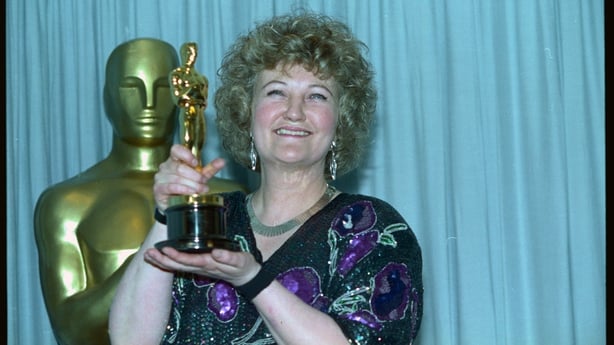
Brenda Fricker won Best Supporting Actress for My Left Foot and remains the only Irish woman to have won an acting Oscar.
Fricker returned to the Oscars the following year to present Best Supporting Actor, a rare winner-to-presenter moment for an Irish performer at that level.
After her Oscars win, she went on to appear in a run of well-known films, including The Field, Home Alone 2: Lost in New York and A Time to Kill.
Neil Jordan (1993)
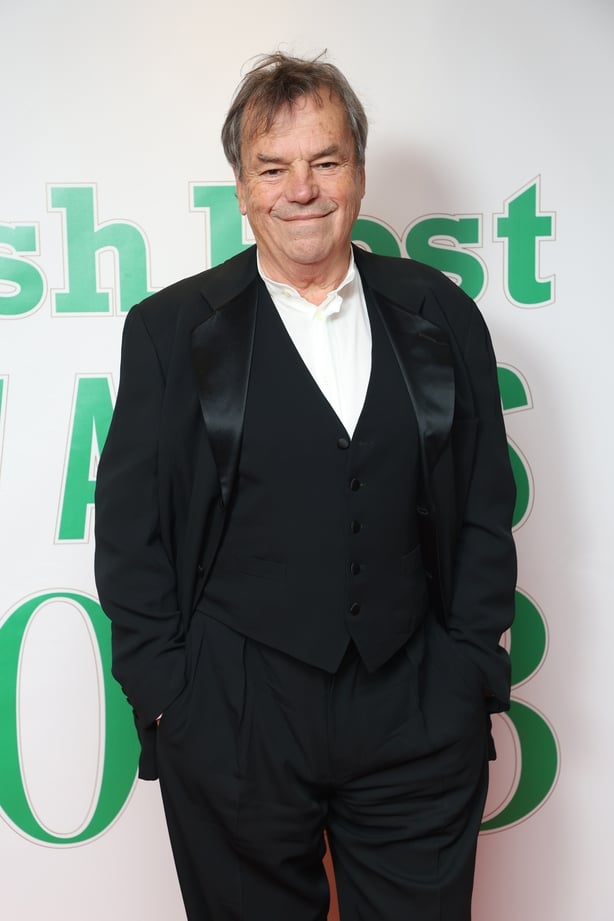
Neil Jordan won Original Screenplay for The Crying Game, adding a major writing win to Ireland's Oscars story and underlining the international impact of Irish storytelling in the early 1990s.
The film was nominated for six Oscars in total, including Best Picture and Best Director for Jordan, along with acting nominations for Stephen Rea and Jaye Davidson and a nomination for Film Editing.
Jordan went on to direct Michael Collins, the 1996 film starring Liam Neeson, which picked up two Oscar nominations.
He also directed Interview with a Vampire, one of the defining studio films of the 1990s.
Tyron Montgomery (1997)
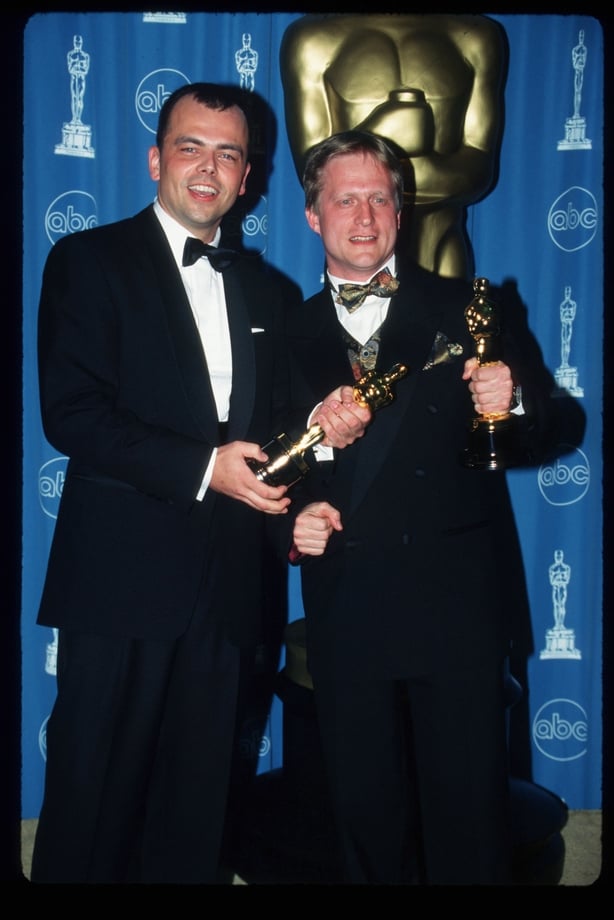
Limerick native Tyron Montgomery won the Oscar for Best Animated Short Film for Quest, sharing the award with German animator and producer Thomas Stellmach.
The stop-motion short, made in Germany, follows a sand figure travelling through a series of stark, elemental worlds in search of water.
Quest was a festival standout before Oscar night, picking up more than 40 international awards.
Peter O'Toole (Honorary Oscar, 2003)
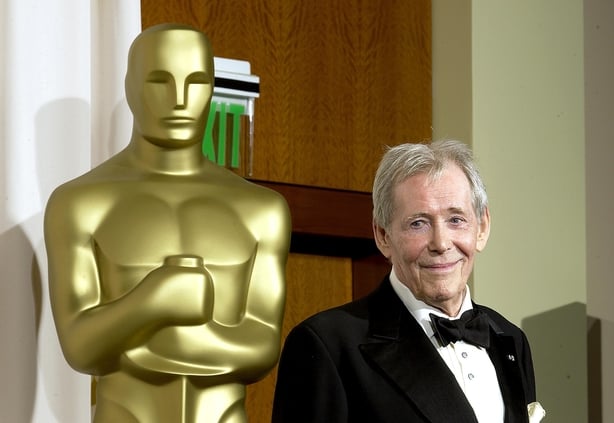
Peter O'Toole received an Honorary Academy Award at the 75th Academy Awards, a career salute for one of cinema's defining leading men.
By that stage, he had already become famous for coming close and missing out, with seven Best Actor nominations - an eighth would follow for Venus in 2007.
He initially asked the Academy to hold off on the honorary award because he was "still in the game", before agreeing to accept it.
On the night, he joked about finally having "my very own Oscar", and O'Toole received one of the ceremony's biggest standing ovations.
Corinne Marrinan (Irish and US citizen) (2006)
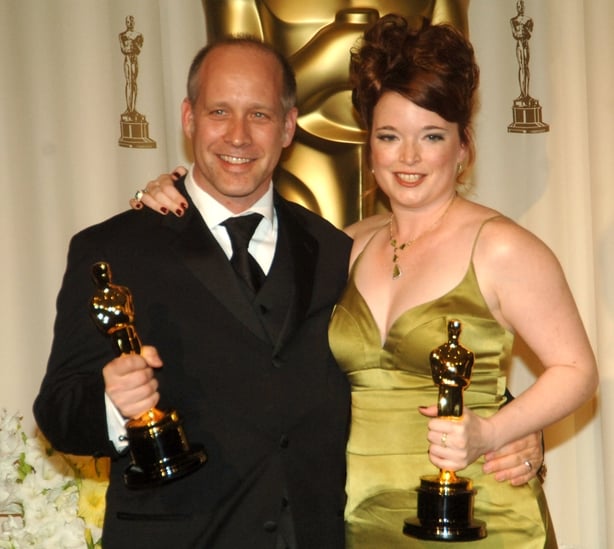
Producer Corinne Marrinan won Documentary Short Subject for A Note of Triumph: The Golden Age of Norman Corwin, sharing the award with director Eric Simonson.
The film looks back at writer and broadcaster Norman Corwin, and Marrinan's alma mater Boston University credits her long collaboration with Simonson as the starting point for the project.
Marrinan is a dual citizen of Ireland and the United States and has also worked in television, including on the CSI franchise.
Martin McDonagh (Irish and British citizen) (2006)
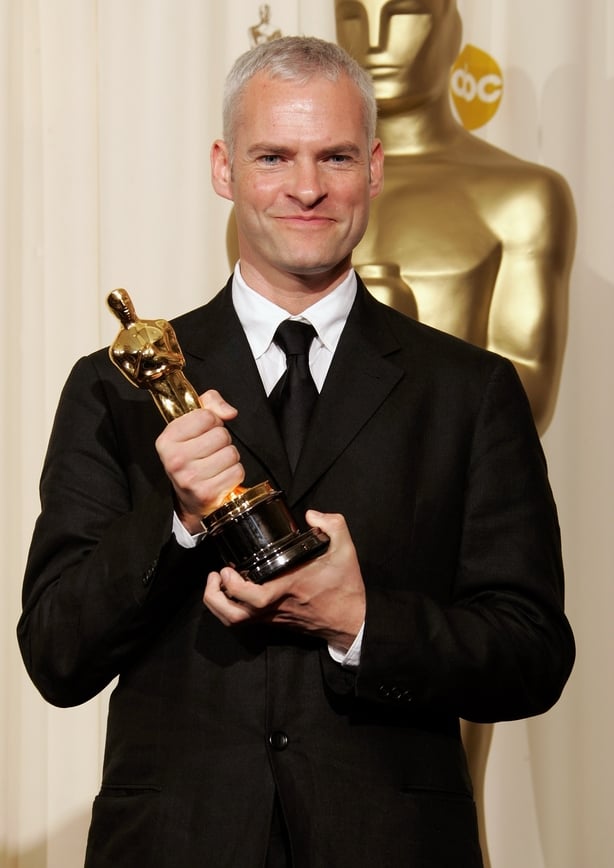
Martin McDonagh won Live Action Short Film for Six Shooter, years before his run of feature nominations. It remains one of Ireland's most significant Oscar wins in the short film categories.
The London-born writer-director, who has dual Irish-British nationality, wrote and directed the 27-minute black comedy starring Brendan Gleeson.
Six Shooter turned out to be the start of a long Oscar run. McDonagh has gone on to receive six further Oscar nominations across In Bruges, Three Billboards Outside Ebbing, Missouri and The Banshees of Inisherin.
Glen Hansard (2008)
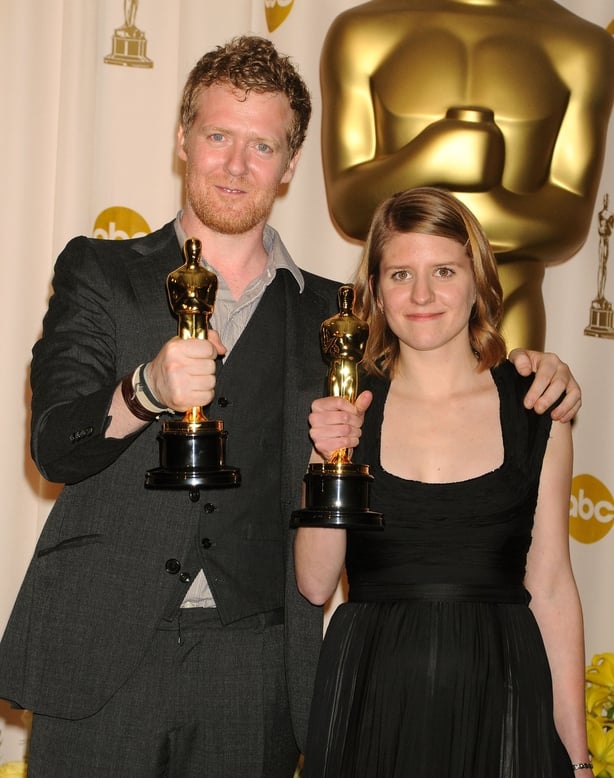
Glen Hansard won Original Song for Falling Slowly from Once, a win that became one of the most fondly remembered Irish moments at the Academy Awards.
Hansard shared the Oscar with Markéta Irglová, with the Academy crediting them for both music and lyrics.
On the night, Hansard used his speech to point back to how modest the film was at the start, telling the room it was shot on two handycams and made on a tiny budget, and they never imagined ending up on the Oscars stage.
Richard Baneham (2010 and 2023)
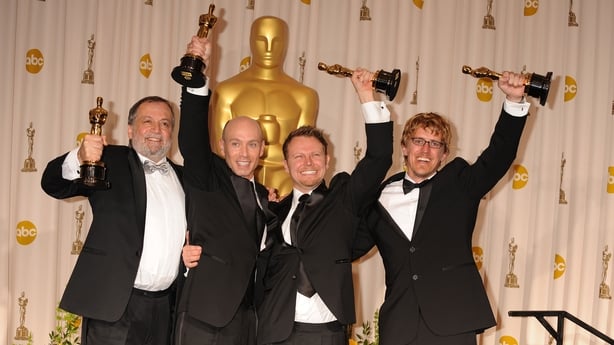
Dublin visual effects artist Richard Baneham won Visual Effects for Avatar and again for Avatar: The Way of Water, making him one of Ireland's most successful modern Oscar winners in the technical categories.
Tallaght-born and Ballyfermot College-trained, Baneham has spent decades working at the top end of the industry, with credits that also include The Lord of the Rings trilogy and the Chronicles of Narnia films.
When he returned to the Oscars stage in 2023, he opened his speech in Irish, beginning with "Go raibh míle maith agat", and went on to thank James Cameron and producer Jon Landau, while acknowledging the scale of the crew behind the film.
Terry George and Oorlagh George (2012)
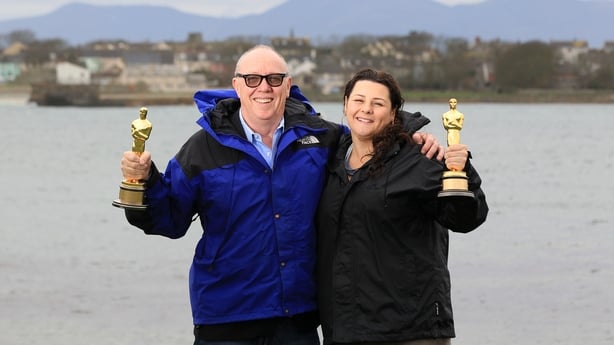
Belfast-born father-and-daughter duo Terry George and Oorlagh George won Live Action Short Film for The Shore, extending Ireland's modern success in the shorts.
The film, shot in Co Down, centred on two boyhood friends reconnecting after years of division. It starred Ciarán Hinds and Conleth Hill, with Kerry Condon also in the cast.
It was a family collaboration, with Terry directing and writing while Oorlagh produced, and the win marked Terry's first Oscar after earlier nominations for In the Name of the Father and Hotel Rwanda.
Maureen O'Hara (Honorary Oscar, 2014)
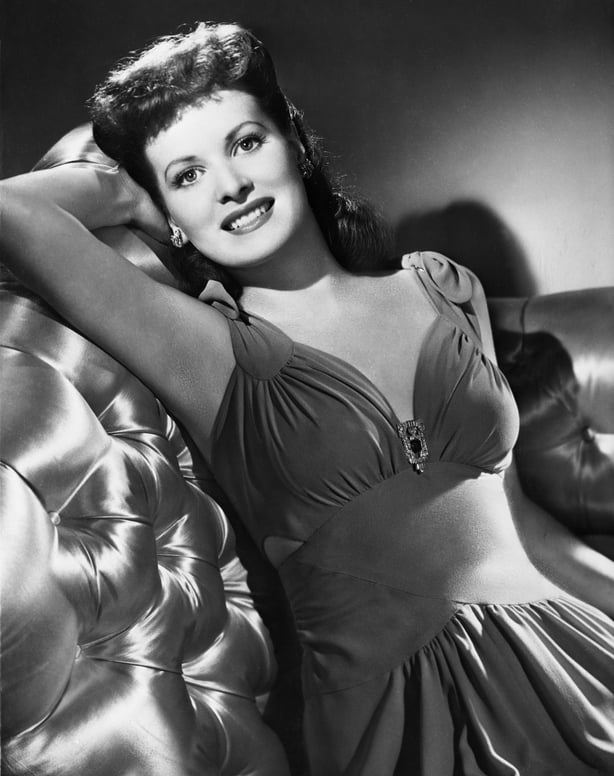
Maureen O'Hara received an Honorary Academy Award at the Governors Awards, with the Academy recognising her screen career and her place in classic Hollywood.
Born in Ranelagh, Dublin as Maureen FitzSimons, O'Hara's film highlights include The Quiet Man, The Hunchback of Notre Dame, How Green Was My Valley, Miracle of 34th Street and The Parent Trap.
In her acceptance speech, O'Hara recognised Liam Neeson, who presented her with the award alongside Clint Eastwood, as a fellow Irish legend who helped honour her career.
Benjamin Cleary (2016)
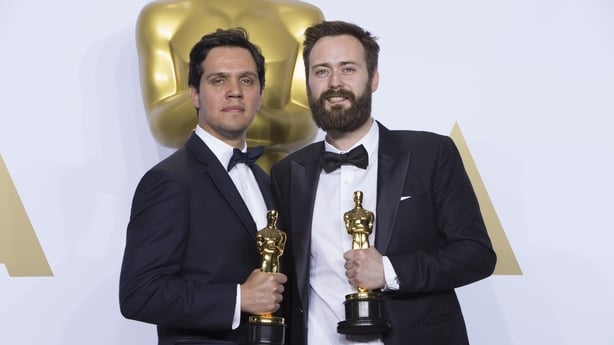
Benjamin Cleary won Live Action Short Film for Stutterer, an Irish short that connected strongly with Academy voters.
The Dublin-born writer-director also edited and helped finance the film by working in a restaurant to raise funds.
The story follows Greenwood, a typographer whose severe stutter shapes his everyday life, right up to a final twist when he meets the woman he has been messaging online.
Kenneth Branagh (2022)
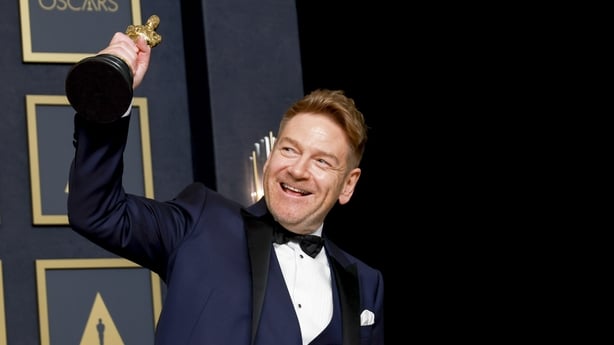
Belfast's Kenneth Branagh won Original Screenplay for Belfast, a career-defining Oscar after eight nominations across multiple categories over the years.
In his acceptance speech, he called it "an enormous honour for my family" and described the film as "the search for joy and hope in the face of violence and loss", paying tribute to Belfast.
Branagh was the first person in Academy Awards history to be nominated in seven different Oscar categories, including acting, directing, writing, producing and shorts.
Tom Berkeley and Ross White (2023)
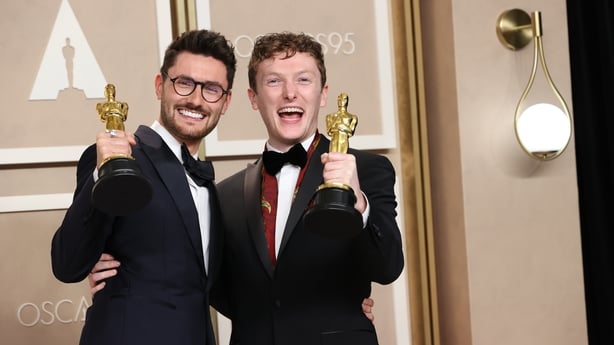
An Irish Goodbye won Live Action Short Film, adding another recent win to the island's Oscar tally.
The 23-minute film is set in rural Northern Ireland and follows estranged brothers Lorcan and Turlough as they reunite after their mother's death, with James Martin and Seamus O'Hara in the lead roles and Michelle Fairley also starring.
Their win produced one of the ceremony's most memorable moments when Berkeley and White led the Dolby Theatre in a Happy Birthday singalong for Martin on stage.
Cillian Murphy (2024)
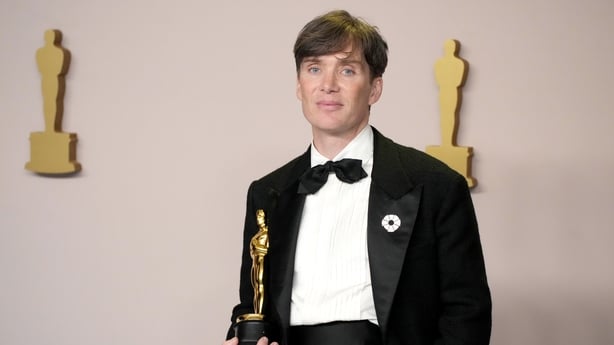
Cillian Murphy won Actor in a Leading Role for Oppenheimer at the 2024 ceremony, joining a short list of Irish winners in the Academy's top acting categories.
The Cork actor played J Robert Oppenheimer in Christopher Nolan's film and used his acceptance speech to dedicate his award "to the peacemakers, everywhere", adding a cúpla focal as he left the stage.
Murphy's breakthrough came with Danny Boyle's 28 Days Later in 2002, and he later became best known on TV as Tommy Shelby in Peaky Blinders, which ran from 2013 - 2022.
