
Analysis: From Daithi Lacha and Wanderly Wagon to The Den and Bosco, here are the Irish children's shows that have shaped us
Telefís Éireann began broadcasting on New Year's Eve 1961 with an address by Éamon De Valera. The new medium began bedding into Irish culture and Irish households, with children's programming forming an early focus. This was primarily international programmes, but also with Irish-made content for children, something which greatly increased over successive years.
The history of children’s programming in Ireland reveals interesting insights and patterns into how and what themes were part of children’s television, how children’s programming was produced, how Irish language programming featured, and even how products were advertised to children.
How then were children catered for in the early years of television in Ireland? Dáithí Lacha was the first Irish-made and produced cartoon on Irish television. First broadcast on 31 December 1962, the series ran until July 1969, with individual five-minute episodes created and written by Dublin-born illustrator Flann Ó Riain. A static comic-strip, meaning it consisted of single images shot frame-by-frame rather than a full animation, the cartoon featured characters of Daithi Lacha, a duck, Puisín, a cat and a dog.
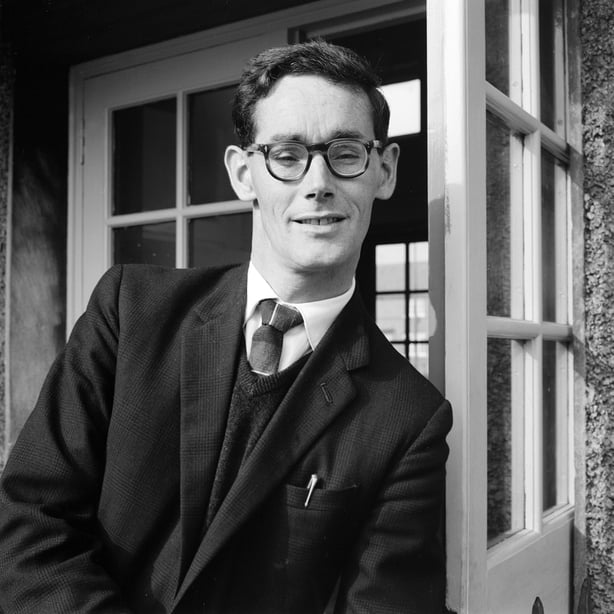
Later, another character, Luidin Mac Lu, was created. A woodland-based leprechaun, Luidin was voiced by musician, broadcaster, and environmentalist, Eamon de Buitléar, with music by Paddy Moloney of The Chieftans. De Buitléar continued making programming for children, including the series Amuigh Faoin Spéir, which introduced children to nature and wildlife themes from across Ireland, first broadcast in 1963.
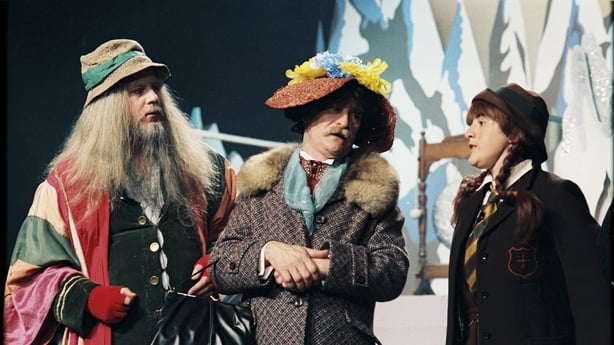
Wanderly Wagon came to Irish screens on 30 September 1967, bringing one of the most beloved series and characters to young audiences. Led by Eugene Lambert and family, the show was developed by Lambert, its producer Don Lennox and show designer Jim O'Hare, with episodes written by, among others, Frank Kelly, Pat Ingoldsby and Carolyn Swift (who also wrote for Bosco and other children’s television at RTÉ).

The puppet characters such as Judge the dog, and Mr. Crow, along with the show's theme tune, have long became part of Irish cultural history. The show was so loved by its audience of children that when it appeared it may be cut in December 1974, a group of children staged a protest at the gates of RTÉ campus (The show ran until 1982 – a victory for the young activists?)
This success spawned other series such as Fortycoats & Co. featuring characters like Sofar Sogood and Slightly Bonkers. These shows also saw cassette tape 'storytellers' and various book series be created off the success of the TV shows.
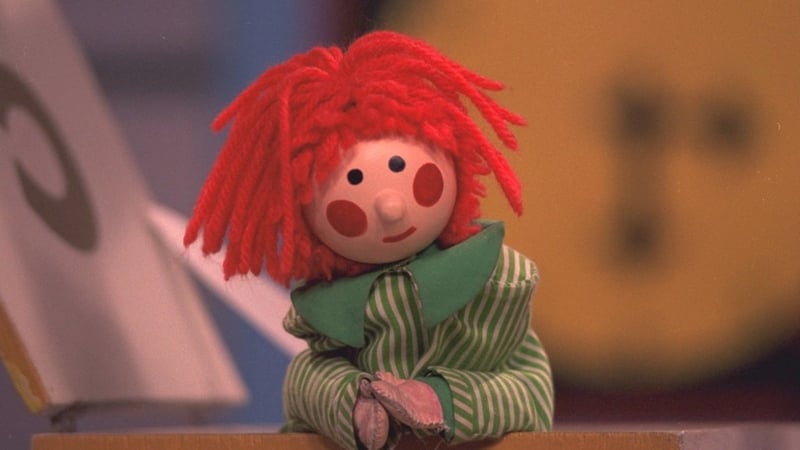
In 1979 a pilot series ran for a new series aimed at pre-school age and younger children – Bosco. One of the most recognisable faces and voices of Irish television, Bosco was created by Joe O'Donnell and the famous puppet was designed by Irish-based Australian artist, Jan Mitchell. Bosco stories, lessons, arts and crafts, songs, and words of Irish, as well as featuring a number of guest characters and short sketches such as Faherty the Dog, Cornelius the Crow, and the Tongue Twisters Twins. Bosco ceased production in 1987 but continued to be re-broadcast regularly until the mid-1990s.
A major change came about in 1988 with the rebrand of RTÉ 2 to Network 2 and with it a focus on young people’s programming and contemporary popular culture. Jo Maxi was a weekday nightly magazine-type programme aimed at teenagers, hosted initially by Ray D'Arcy and Clíona Ní Bhuachalla amongst others, with reports and features on various topics in each episode.
We need your consent to load this rte-player contentWe use rte-player to manage extra content that can set cookies on your device and collect data about your activity. Please review their details and accept them to load the content.Manage Preferences
From RTÉ Archives, Young people on good and bad chat-up lines in a 1991 episode of Jo Maxi
The show evolved through the early 1990s, eventually being replaced in 1994 by a new show, Echo Island. This was again a varied magazine-type format, though aimed at a slightly younger audience, reflected in its earlier time slot. Hosted by Dara Ó Briain, Bláthnaid Ní Chofaigh, Derek Mooney, Mary Kingston and others, including regular guests like vet Pete Wedderburn, the show ran for six seasons through the 1990s, with weekly episodes in Irish, and regularly featuring new Irish music acts.
The Den was a mainstay of Irish weekday children’s afternoon programming from 1988, through the 1990s until it finished in 2008. Beginning first as Dempsey’s Den, hosted by Ian Dempsey, it later became simply The Den (and later again Den TV and Den2) with Ray D’Arcy being the longest-running host, succeeded by Damien McCaul in 2003. Francis Boylan took over hosting duties in 2003, with Kathryn McKiernan the final host from 2005 to 2008.
While showing Irish and international programming within its afternoon hours between 3pm and 6pm, it was the studio-based segments and interactions between the host and Den characters that children loved most of all. Zig and Zag (and their dog, Zuppy), Dustin the Turkey, Snotser and Soky, along with others such as Ted (a large stuffed panda which would be unmercifully thrown in from off-camera "attacking" host Ray D’Arcy who would then have to wrestle it live on camera) and Podge and Rodge, were all part of The Den’s daily programming and Christmas specials. The Den often had well-known guests, from Irish and international musicians to even Irish presidents.
We need your consent to load this rte-player contentWe use rte-player to manage extra content that can set cookies on your device and collect data about your activity. Please review their details and accept them to load the content.Manage Preferences
From RTÉ Archives, President Mary Robinson takes on Dustin on an episode of The Den on 27 November 1990
The Den also had many contributors including artist Don Conroy (I was part of a generation, who thanks to Don, could and possibly still can, draw you an owl while blindfolded).
The Morbegs (1996-1998) featured large puppet characters in a fantasy mythological setting aimed at pre-schoolers and featured Irish language content. Cúlabúla was established on Teilifís na Gaeilge in 1996, later becoming a stand-alone channel, Cúla4, in 2009 from TG4, offering exclusively Irish language programming for children.
Increased television programming for children provided an opportunity for advertisers to tailor ads directly to children and families. The Irish Film Archive recently digitised and shared online a collection of television adverts broadcast between the 1960s and 1980s, revealing insights into tastes and trends aimed consumers of all ages, from products for baking, to chocolate, ice cream, dinners, and family sun package holidays. All of this comprises a record of social change told through consumer habits marketed in-between children's favourite TV shows.
We need your consent to load this rte-player contentWe use rte-player to manage extra content that can set cookies on your device and collect data about your activity. Please review their details and accept them to load the content.Manage Preferences
From RTÉ Archives, a 1999 clip of The Morbegs
In contemporary times, there are infinitely more sleeves rolled up elbowing for children’s attention. The presence and pressures of online streamers, YouTubers, influencers and more make for an often-dizzying online world for children (and parents) to navigate. Policing that content is no small challenge, if not also uafásach as Bosco might say.
From the very beginning of television in Ireland to its status and form today, children’s programming is still a core part of daily TV and entertainment schedules. It shapes so much of children’s early perceptions of humour, friendship, fun, learning and family relationships. The memories of the shows and characters make a lasting impact, lingering long into adulthood of not-so-young audiences still today.
Follow RTÉ Brainstorm on WhatsApp and Instagram for more stories and updates
The views expressed here are those of the author and do not represent or reflect the views of RTÉ