


Sterling jumped a full cent to a two-week high against the dollar yesterday after UK retail sales for July beat forecasts, apparently unaffected by Britain's vote to leave the European Union.
The retail sales report was the first to cover a full month following the Brexit vote in late June, showing retail spending rose 5.9% for the year and 1.4% for the month, compared with forecasts of 4.2% and 0.2%.
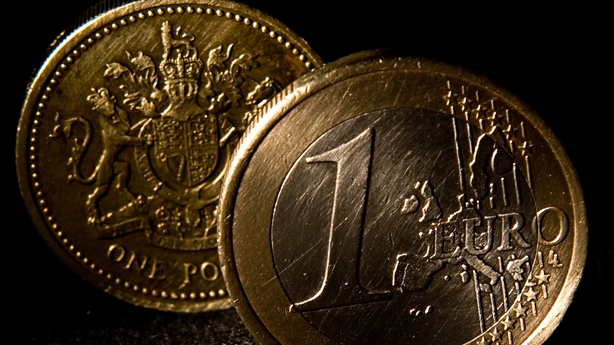
That drove the pound 0.9% higher on the day against the dollar, trading at $1.3140. It also gained 0.5% to 86.20 pence per euro.
The pound has since fallen back somewhat, closer to $1.3064 and 86.6 pence per euro.
"It is fair to say that the condition of the economy in the weeks since the referendum has not been as bad as feared," said Jane Foley, a currency strategist with Rabobank in London.
"But it is still early days. While it is justified to breathe a sigh of relief, we may only see the effect on investment and job creation and so on come through over the next two to five years."
British gilt futures, driven higher by the Bank of England's new round of bond-buying, pared gains after the data, falling to 132.48 from 132.55 before the release.
Any gains for sterling in recent weeks have been short lived, with traders tending to sell the pound on any blips back above $1.30. But some doubt may be creeping in.
"If we're speaking honestly, I believe we're pretty much done already," said the head of interest rate sales at one large European bank in London, asking not to be named.
"We are not going into recession, people are going to get on with their business and the Bank of England has gone very hard very early. It might be sterling does not have very much further to fall."
James Binney, head of currency for the EMEA region at asset managers State Street Global Advisors, said that while his models showed sterling was now well below its long-term fair value, he was advising clients to wait slightly longer before betting on the currency having bottomed out.
"It is very undervalued and these are the kind of levels where our dynamic strategic hedging model calls for clients to lock in these rates for the pound," he said.
"But we are not recommending hedging yet. At between $1.20 and $1.25 it becomes more appealing."
