


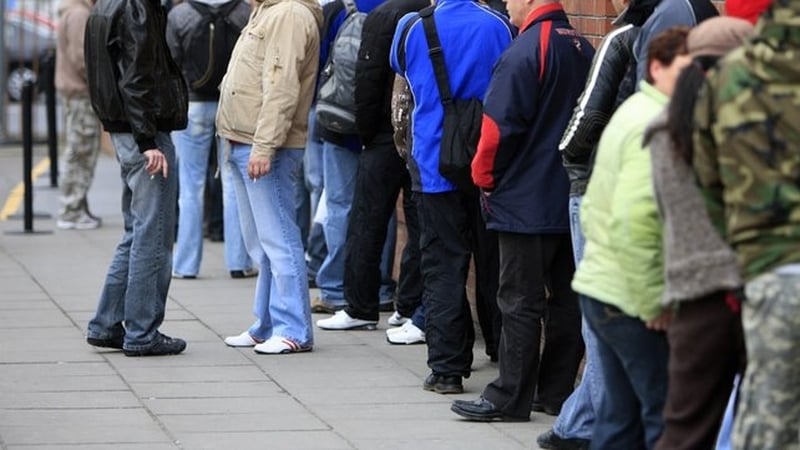
The number of people claiming unemployment benefit in the UK unexpectedly fell in July despite the shock to the economy caused by the Brexit vote, according to official data.
Claimants fell by 8,600 in the month, compared with an increase of 900 in June, the Office for National Statistics said.
Economists taking part in a Reuters poll had expected the number of benefit claimants - which is considered to be a potential early warning sign of an economic downturn - to rise by 9,500 as employers responded to the uncertainty caused by the decision by voters to leave the European Union.
Today’s figures represent the first official measure of Britain's labour market since the 23 June referendum.
A survey published on 5 August by a body representing the recruitment industry had suggested employers cut hiring in July as the number of permanent jobs placed by staffing firms fell at the fastest pace since 2009.
The Bank of England expects unemployment to rise sharply as a result of the uncertainty caused by the Brexit vote.
It cut interest rates to just 0.25% earlier this month and took other measures to cushion the economy.
Samuel Tombs, an economist with Pantheon Macroeconomics, said before the data release that the claimant count would need to be about 80,000 higher on average in the third quarter than in the previous three-month period to signal a recession, requiring average month-to-month rises of 40,000 claimants.
The July data was measured on 14 July, three weeks after the referendum, meaning it might not reflect the full extent of any post-Brexit fall in hiring, economists said prior to the release.
The ONS also said the number of vacancies in the three-month period to the end of July fell by 7,000 from the three months to the end of April to 741,000.
Tombs of Pantheon Macroeconomics said a decline of more 20,000 vacancies would send a recession signal.
Much of the ONS data covered the labour market in the run-up to the referendum.
Britain's unemployment rate held steady in the three months to June at 4.9%, as expected in the Reuters poll of economists.
Wage growth in the April-June period picked up slightly, reflecting the introduction of a higher minimum wage in April.
The number of unemployed fell by 52,000 to 1.641m, while the number of people in work rose by 172,000 to 31.750m and pushing the employment rate at 74.5%, a latest record high.
The ONS said workers' total earnings including bonuses rose by an annual 2.4% in the three months to June, edging up from 2.3% in the three months to May and matching expectations in the Reuters poll.
Excluding bonuses, earnings rose by 2.3% year-on-year, also edging up from May and in line with the poll expectations.
British confidence in economy down sharply - survey
The British public's confidence in the economy has fallen sharply since the vote to leave the European Union, according to an opinion poll published today.
A third of Britons think the economy has worsened compared with a year ago, up 11 points from April, pollster TNS said.
A lack of confidence can cause people to stop spending, which hurts the economy and can lead to a self-perpetuating cycle.
The poll of 1,199 people also showed fewer expect to see a pay rise in the next 12 months and more think the economy will fare worse over the next year.
"The latest dataset suggests that confidence in the economy is back down at levels last seen in 2011/12, when the country (last flirted with) recession," said Luke Taylor, head of social and political attitudes at TNS.
Retail sales data will provide the first official steer on how consumer demand has been affected by the unexpected result of June 23's referendum, after other measures painted a mixed picture.
Major retailers including Tesco, Next and John Lewis say they have not been affected so far by the referendum result, while the British Retail Consortium said spending in shops bounced in July
But the long-running GfK survey - Britain's main consumer morale gauge and generally a decent indicator of future household spending over the years - suffered its sharpest drop since 1990 last month.
