

Aviva Insurance is teaming up with the National Digital Research Centre to explore digital change in the insurance industry and how it might introduce efficiencies, and hopefully bring down premiums.
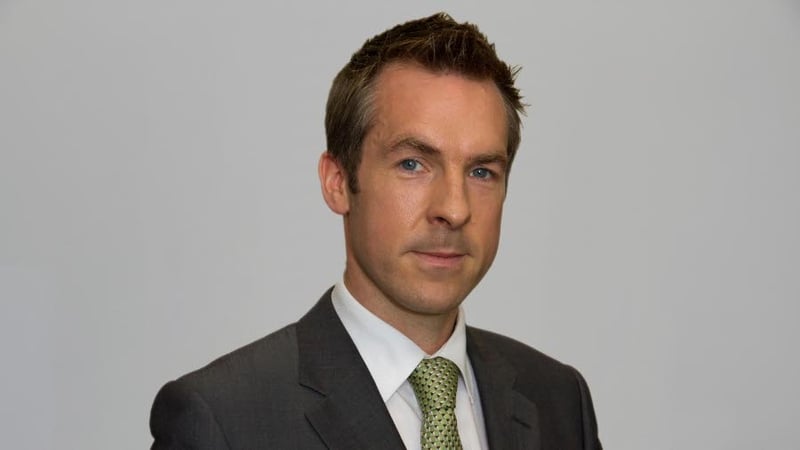
Hugh Hessing, CEO of Aviva Ireland, said the insurer was hoping to embrace the vibrant start-up community here to create ideas to help improve the customer outcome and help prevent losses that would ultimately bring down the cost of insurance. "Some of the things we're investing in already include technologies that can sense movement in the home, such as the temperature in pipes or water flows in pipes which could be used to detect or anticipate leaks. If we could prevent that, we can reduce the damage and the significant losses incurred," he explained.
The company has already been trialing a driver app in the UK, aimed at encouraging better driving practices, which they are looking to roll out to the international market. "150,000 people have already downloaded that app and based on their driver experience over 2,000 or 3,000 miles, we can bring down the cost of insurance by 10 - 20%. It's designed to encourage safer driving."
Mr Hessing said digital disruption in the insurance industry will also shake up the things that we insure and insure against. "As one risk gets taken away, a new risk emerges, such as cyber risks and how we protect our data. We're evolving products at an early stage to help customers, especially small businesses, to protect against cyber risk," he said.
Hugh Hessing said the insurance industry, together with the authorities and regulatory bodies, had to work to achieve better reforms in order to bring down the cost of insurance in the short term. "The personal motor insurance industry here lost €550m between 2012 and 2014. Clearly, that's unsustainable. Prices were brought down by certain players that are no longer in the market. The main cost of insurance is 70% of the cost of claims and most of that is on liability. We've got work for better reforms that can bring down all of those aspects," he concluded.
***
MORNING BRIEFS - The first quarter was particularly strong for the retail industry, according to the latest review from Retail Excellence Ireland and Grant Thornton. The measure of retail productivity was up almost 5% on the previous year, with the grocery sector performing particularly well. However, it must be noted that with Easter falling in March this year, that may have given an artificial boost to the sector in the quarter. Some categories, like furniture and flooring, were down in the three month period, reflecting the impact of the slow house building market.
*** The electric heating and domestic appliance manufacturer, Glen Dimplex, has announced a series of changes at the company as Martin Naughton steps down as President. He is also leaving the firm's executive board, but will remain as chairman of its shareholder supervisory board. He will be replaced as president by Seán O'Driscoll, who until now has been company CEO. Mr O'Driscoll will, in turn, be succeeded by Fergal Naughton.

*** Saudi Arabia is considering floating about 5% of its state oil company, Aramco, as part of plans to reduce its dependence on oil revenue. The company is worth about $2.5 trillion and selling even 1% of the firm would be the biggest IPO in history.
*** Volkswagen has not fixed a single one of the 1.2 million cars in Britain affected by the diesel emissions scandal, according to a British junior transport minister. The carmaker said it had begun software modifications to some models. Minister Robert Goodwill said the Serious Fraud Office was looking at the issue of compensation in Britain. VW has previously said compensation would not be available to UK consumers.
