


Growth in the country's services sector strengthened in March, but new business from abroad expanded at the slowest pace in almost four years as weaker sterling affected some exporters.
The Investec Purchasing Managers' Index (PMI) of activity in services rose to 62.8 from 62.1 in February.
The index is edging back towards the 64 it reached at the start of the year, the highest since June 2006, at the height of the "Celtic Tiger" economic boom.
The services PMI, which covers businesses from banks to hotels, has risen for more than three and a half years of unbroken growth.
Growth is denoted by a reading over 50, and the index has been above 60 for most of that time.
However, the sub-index measuring new export business slipped to 54 from 57.1 the previous month, its lowest level since May 2012, when the country was in the middle of a three-year international bailout.
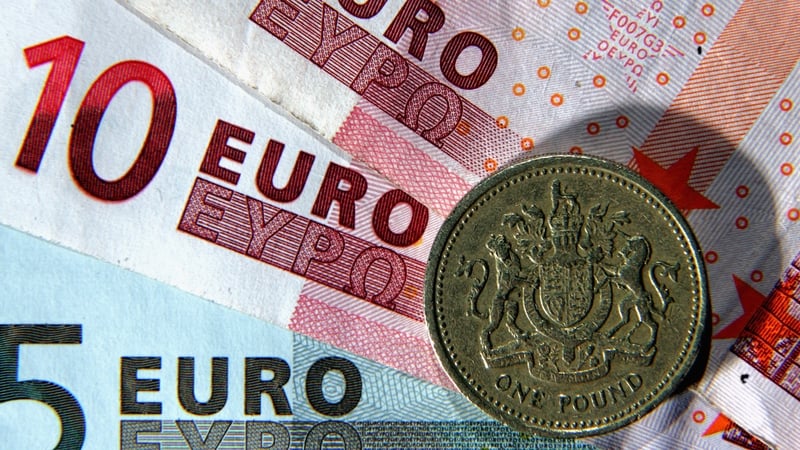
Exporters are particularly vulnerable to movements in sterling, since Britain is the country's largest trading partner, and the pound has lost around 12% of its value against the euro since November.
"While panellists indicated that the UK remained a source of new business, there were suggestions that the recent strengthening of the euro against sterling had weighed on growth of new business," said Philip O'Sullivan, chief economist at Investec Ireland.
"Despite the moderation in new orders and we suspect related global uncertainty, business sentiment ticked higher in March, with 19 times as many panellists expecting a rise in activity over the next twelve months as opposed to those who anticipate a contraction," he added.
Another survey from Investec on Friday showed that manufacturing growth rebounded to an eight-month high in March.
"Taken together, the services and manufacturing PMIs suggest that the pace of growth across much of Ireland's private sector improved slightly at the end of Q1 2016," the economist said.
