


AIB made a pre-tax profit of €1.9 billion last year, up 72% on 2014. The figure includes a write-back of €925m that had previously been set aside for impairments.
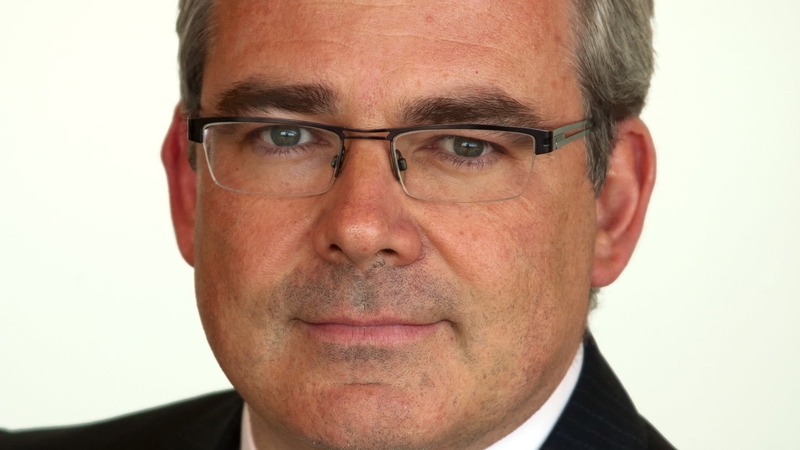
Bernard Byrne, AIB's chief executive, described the figures as a "great set of results". "They're driven by strong underlying profitability - and that's because our income is up 4% and our costs are down 8%." Mr Byrne said the write-back was also an important factor, as it shows the bank working through the non-performing loans that remain on its books.
Overall the level of impaired loans on the State-owned bank's balance sheet stood at €13.1 billion by the end of the year - down €9.1 billion on the 2014 figure. However impaired loans still represent 19% of the bank's total loan book - meaning there is a lot more work to do before a level of normality resumes. "The important point to remember is it was €30 billion two years ago," Mr Byrne said. "We're very well provided on that, and that is evidenced by the fact that every time we get through a restructuring, on average, we end up with a modest write-back. I think we're comfortable that, on a net basis, it's about 10% of our loan book and by the time we hit the end of 2016 that will be normalised."
Impairments aside it is clear that AIB is also enjoying healthy margins - while European interest rates remain at record lows and look likely to stay there for some time. This is likely to only increase calls for the lender to make further reductions to the variable interest rates it charges on mortgages. "We've already reduced rates by 75 basis points over the course of the last 12-15 months as we saw the cost of funding coming down," Mr Byrne said. "We said we would keep it under review, and we will keep it under active review at this point in time."
There have been suggestions from some quarters for the Central Bank to intervene to ensure that lenders push down interest rates, in order to bring them more in line with those seen elsewhere in Europe. However Mr Byrne appears sceptical about the value of such a move. "I think the Central Bank themselves have said that they don't see that as a natural power that a central bank should have," he said. "I think these things should be within the confines of a market and competition will drive them; rates are down across the board." He added that more interference tends to be a bad thing over time when it comes to issues like this.
Another potential point of interference for AIB could come in the form of a breaking up of the company, as Fianna Fáil has said the spinning out of EBS should be considered in order to increase competition in the market. Given that the party may now have an input in the next government such a move could gain momentum, though Mr Byrne said the bank would have to wait to see how things went in the next Dáil.
"We will engage actively with any government around any policy that they have... the bringing together of AIB and EBS happened as part of the financial crisis because EBS wasn't a stable enterprise on its own, and I think there would be lots of things that would have to be considered were that to be progressed, but we will engage actively with any conversation on that," Mr Byrne said.
One policy that is still very much on the agenda is the selling of AIB shares on the stock exchange - with the outgoing government having proposed the flotation of 25% of the bank in the third quarter of this year. The bank took steps late last year to prepare itself for any eventual stock offering, though ultimately the decision to pull the trigger will rest with the next Minister for Finance.
Given the recent stock market unrest - with global indices down since the start of the year and bank stock particularly badly hit - it is not yet clear if the backdrop is right for a share sale. But Mr Byrne said his job was to ensure that AIB was ready for the move, whenever that happened. "AIB needs to end up in private ownership, that's our view," he said. "It allows the State to recover its full investment, it's the right model in terms of the separation between the State and the banking sector and we think it works for customers and the bank. "We need to make sure we're ready, and we are ready, and then we will look at the markets with the shareholder and see if it's the right time or do we need to move to a different time. You have to make sure the market is there, obviously, but we don't control that," he added.
***
MORNING BRIEFS - Ireland's services sector continues to grow at a healthy pace, according to the latest Investec Purchasing Manager's Index, though the global downturn has weighed on the figure slightly. The Services PMI for February stood at 62.1 - well ahead of the 50 mark which separates growth from contraction. However that is lower than the reading of 64 seen in January. Business activity remained strong, while there was growth in new business and new export business during the month. Profitability was also up, while companies in the services sector continued to hire in order to deal with increased workloads. Confidence was also high, though it did dip slightly to bring it to its lowest level in 18 months.
*** Building materials group CRH has reported pre-tax profits of €1.03 billion for the year to the end of December, up from the figure of €761m on the previous year. CRH said its revenues for the year rose by 25% as it saw continued positive momentum in the Americas and more mixed market conditions in Europe.
*** Entrepreneur Sean Melly is to run for the Seanad on a pro-business and pro-education platform for the Trinity panel. Mr Melly currently leads Powerscourt Capital Partners - which invests in early stage technology companies. He is also chairman of Trinity's Business School.
*** Eir has announced further details of the 100,000 rural homes and businesses that it plans to roll out high-speed fibre broadband to over the next year. The plan will see speeds of 1 gigabit per second becoming available to 200 communities across the country - which is part of Eir's plan to expand its fibre broadband network to 1.9 million premises by 2020. The company also announced details of its apprentice recruitment programme, which will offer two-year long places to 50 people.
