


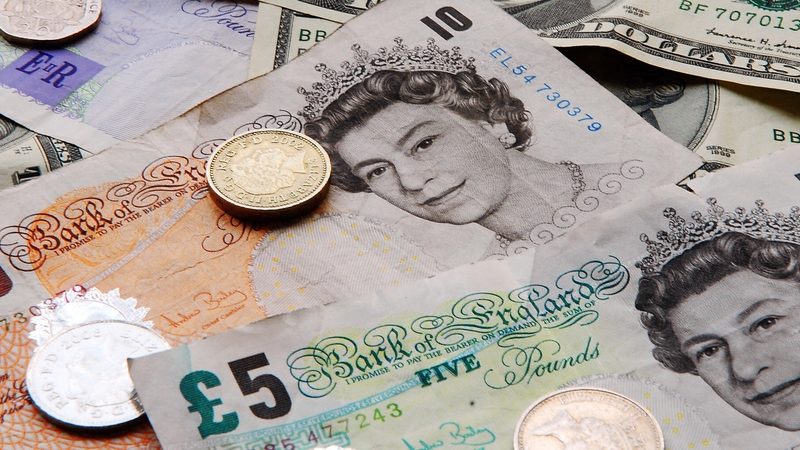
British consumer price inflation plunged to its lowest level since May 2000 last month and looks set to fall further, leaving the Bank of England under no pressure to raise rates soon.
Reflecting a slide in global oil prices, the rate of consumer price inflation halved to an annual 0.5% in December from 1% in November, the Office for National Statistics said today.
Economists in a Reuters poll had expected inflation to fall to 0.7%.
Weak price growth will be a relief for British consumers as a boost to their spending power after years of weak wage growth.
Most economists say Britain, where consumer spending remains strong, faces less danger of deflation than the euro zone, where falling prices have sparked fears of a Japan-style economic stagnation.
Surveys of Britons' inflation expectations - the kind of thing that hints at whether purchasing will be delayed - show that they expect inflation to rise and to be fairly close to the Bank of England's 2% target in coming years.
"This acts like a giant tax cut for the economy, putting more money in the pockets of hard pressed-consumers," said Danny Alexander, Britain's deputy finance minister.
Crude oil prices fell to their lowest level in nearly six years today, pointing to further falls in inflation.
The ONS said falling petrol prices and lower electricity and gas bills compared with a year ago were the biggest factors pushing down inflation in December.
Bank of England Governor Mark Carney last month described falling oil prices as "unambiguously net positive" for Britain's economy.
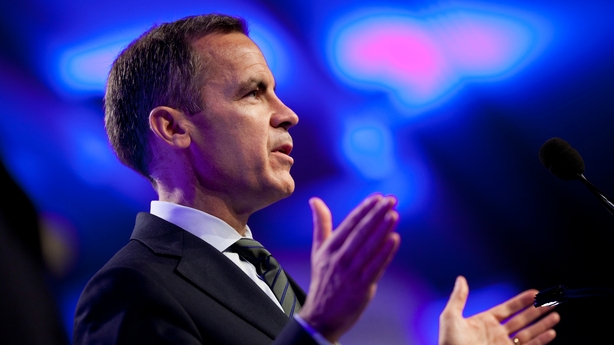
In a formal explanation to finance minister George Osborne next month, the bank is likely to say that the fall in oil prices will only have a short-run impact on inflation and that its concern is to focus on the outlook for inflation over a two to three-year horizon.
In November, the Bank of England predicted that inflation would hit its target of 2% only towards the end of 2017. Financial markets are expecting the bank to start raising rates only in early 2016.
Today's figures show that food prices, which have been pushed down by a supermarket price war and lower commodity prices, fell 1.9% - their biggest fall since June 2002.
The ONS said prices at the factory gate fell 0.8% in the year to December, the biggest decline since September 2009 and a steeper fall than forecast by economists.
In December alone, crude oil prices paid by manufacturers fell by 13.2% - the sharpest drop since December 2008.
