


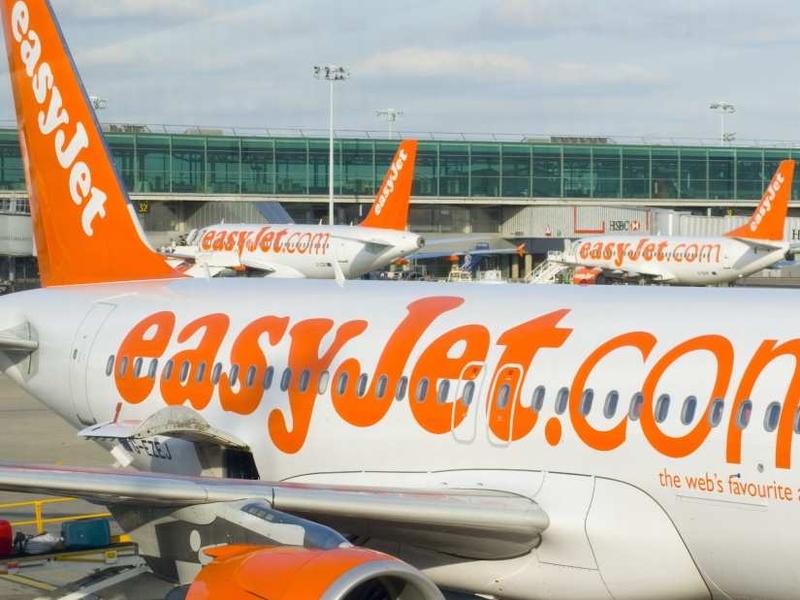
British low-cost airline EasyJet has said its net losses doubled in the first half of its financial year because of high fuel costs and the late timing of the Easter holiday break.
Net losses ballooned to £85.9m in the six months to the end of March, compared with a loss of £43.3m in the same period a year earlier. Sales rose by 15.8% to just over £1 billion.
Chief executive Andy Harrison attributed the fall mainly to an increase in fuel costs, but he said this would even out as its hedging policies adjusted to lower prices in the market. 'The movement of Easter into the second half of the year also depressed our first half margins,' he said.
Airlines seek to protect themselves against volatile oil prices by hedging - or taking a defensive position on futures markets. But this means that the effect of slumping crude prices has not yet filtered through.
EasyJet added that it expected to be profitable for its 2008-2009 financial year which runs until the end of September. 'The revenue environment remains uncertain due to rising unemployment across Europe and the impact on UK consumers of the strengthened euro,' the airline said.
EasyJet also said it was too early to assess any potential impact from the recent outbreak of swine flu.
First-half revenues were meanwhile boosted by the £103.5m acquisition of small British airline GB Airways, which was completed in January 2008.
Meanwhile, British Airways says it flew 1.3% more passengers last month as this year's later Easter helped boost standard class business. But the airline said it continued to face 'very challenging' conditions, while the impact of the swine flu outbreak was still unclear.
BA carried 2.8 million fliers in April compared with 2.7 million a year ago. It said Easter, which was in March last year, helped boost non-premium traffic figures - up 5.2%. Premium business, which covers those travelling in first- and business-class seats, plunged by 17.7%, partly as a result of the timing of the Easter break, added BA.
