


The latest figures from the Department of Finance for the nine months to September show an exchequer deficit of €9.4 billion. This compares to a deficit of just over €3 billion the same time last year.
Tax revenues were over €3.6 billion, or 11.2%, behind Budget targets. The Finance Department says that tax revenues amounted to €28.5 billion compared to a predicted figure of over €32 billion.
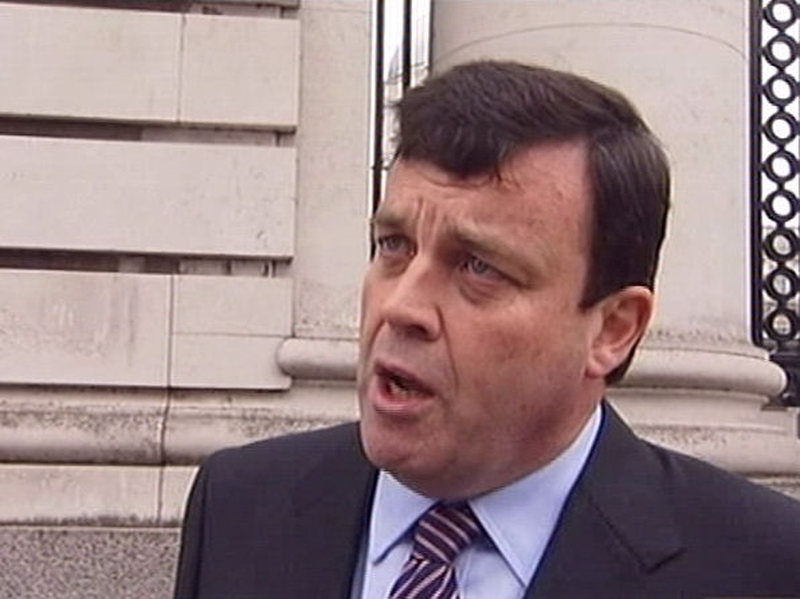
The lower tax take was due mainly to the poor performance of VAT, stamp and capital gains tax. In a statement, Finance Minister Brian Lenihan said that the 'disappointing' figures reflect developments in the property markets as well as weaker economic activity.
'As a result of these trends a shortfall of the order of €6.5 billion on tax revenue is currently estimated,' he said.
VAT receipts for the nine months to September are 6.6% lower than they were at the same time last year at €10.9 billion.
Capital gains tax receipts are 41.93% lower than they were this time last year at just over €693m, while stamp duty receipts slumped 45.8% to €1.35 billion.
Today's figures also show that overall expenditure is running over 10% ahead of the same time last year. Because of a number of spending pressures, mainly in social welfare, an overrun of about €600m on net expenditure is now likely, Mr Lenihan said.
Bloxham economist Alan McQuaid said that today's Exchequer figures are the latest indication that the Irish economy is in a significant downturn phase.
He said that average Irish real GDP growth was 6% in 2007, but this year the country is heading for the first negative result since 1983. He said he thinks the economy could contract by as much as 2.5% in 2008.
Describing the Government's bank guarantee as a brave and bold move, he said he thinks the Government should take that boldness a bit further by temporarily abandoning the EU's Stability and Growth Pact rules and cut taxes - income and corporation - in the Budget later this month.
IIB Bank's chief economist Austin Hughes agrees and says that taxes must not be raised and should be cut in the forthcoming Budget.
'Modest tax cuts and social welfare increases can be financed if current spending is controlled. The deterioration in Ireland's budget position is not unique. Other economies will also see budget deficits increase sharply next year,' he said.
He says that the current downturn shows how sensitive tax revenues are to spending trends in the Irish economy.
'If the government doesn't support activity, the risk is the economy deteriorates further leaving little or no scope to support activity in twelve months time,' Mr Hughes says.
Commenting on the figures, Ulster Bank's chief economic Pat McArdle said that for the fourth month in a row, all taxes came in below expectations - underlining the widespread nature of the downturn.
He pointed out that the September shortfall was €834m, the biggest monthly shortfall to date.
