


The annual rate of inflation rose to 4.2% in July up from 3.9% in June, according to the latest figures from the Central Statistics Office. It was the fastest annual rise in more than three years and the increase was higher than expected
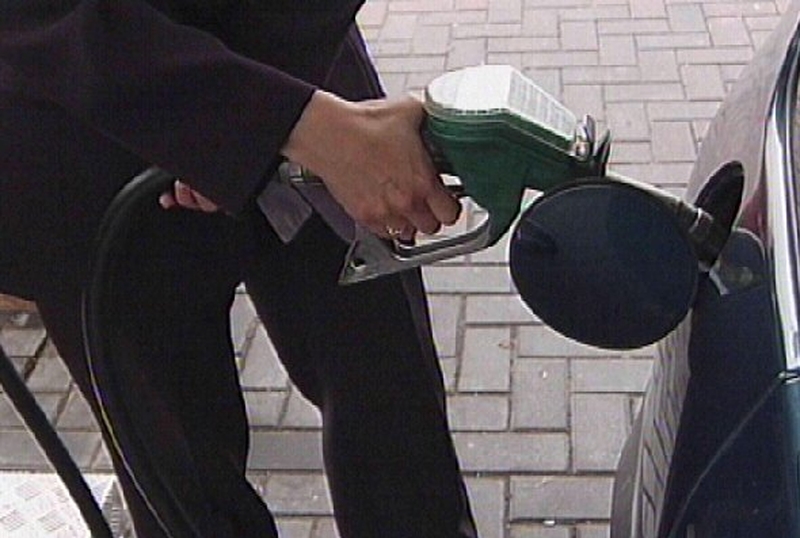
Recent increases in interest rates rises pushed up mortgage repayments. Higher energy prices also had a significant impact last month, increasing the cost of petrol and home heating oil.
The CSO said that consumer prices rose by 0.3% last month, compared to no change in July of last year and as a result, the rate of inflation hit 4.2%.
The CSO said that housing, water, electricity and other fuel costs rose by 3.3% due to increasing average mortgage interest repayments and more expensive home heating oil and solid fuels. Transport costs grew by 0.9% with increases for air fares, car rental and petrol.
Increased prices were also charged last month in hotels and restaurants, with prices there up by 0.6%.
But the prices of clothing and footwear (down 10.6%) and furnishings, household equipment and routine household maintenance (down 1.7%) fell due to the traditional summer sales.
The CSO said that the annual rate of inflation for goods was 1.7% in July, while the rate for services was 6.4%.
*** The Small Firms Association said the Government's anti-inflation strategy is a mockery. It called for for the re-establishment of the social partner 'Anti-Inflation Group', provided for under the new national agreement, to identify workable solutions.
The SFA said there were stark differences between inflation in the services sector at 6.4%, while in the traded goods sector it was running at 1.7%.
ISME said that apart from increases in interest rates and oil prices, there are more fundamental issues that need to be addressed such as the Government's role in controlling domestically influenced costs such as ; local charges, energy, health and education.
IBEC chief economist David Croughan said the big boost to inflation continues to come from the cost of mortgages and fuel and that interest rate rises, while boosting inflation in the short term, will tend to temper spending and ultimately act as a break on rising prices.
He said the Government should exert a positive influence on inflation, by ensuring that public services achieved greater efficiencies, which were reflected in the prices charged and by not adding directly to inflation by increasing indirect taxes.
