
The announcement by Donald Trump of a ten-day ceasefire in Lebanon, which came into effect last night, is incredibly significant on a number of fronts.
After six weeks of fighting, it offers some relief to civilians caught up in the violence.
Strikes between Israel and Hezbollah, along with an Israeli ground invasion in southern Lebanon, have resulted in over 2,000 deaths and more than one million people displaced.
This could also mark a major détente in relations between Israel and Lebanon, which currently have no formal diplomatic ties.
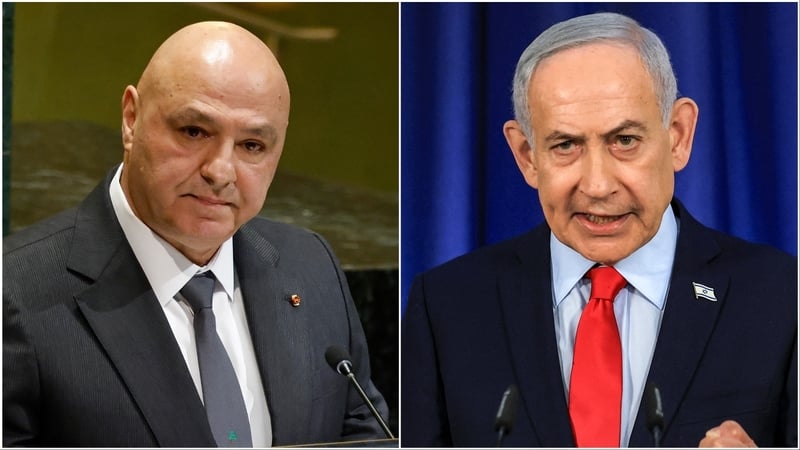
The US President said the truce came about after he spoke separately with leaders on both sides and follows a historic meeting in Washington DC this week between Israeli and Lebanese representatives, the first in decades.
There is now the possibility that the leaders of Israel and Lebanon could meet at the White House following an invitation from the US President. He said such a meeting could even happen as early as next week.
If that monumental meeting takes place, it would represent a major accomplishment for the Trump administration and could potentially lead to a breakthrough comparable to the Camp David Accords, which established formal diplomatic recognition and ended decades of conflict between Israel and Egypt.
But while a ceasefire is a stepping stone towards peace, it is likely to be an incredibly complex and fragile truce.
Hezbollah has already said that any agreement with Israel must include "a comprehensive halt to attacks across all Lebanese territory" and "no freedom of movement for Israeli forces".
It is being reported that Israel has no intention of moving troops out of southern Lebanon for the time being.
All of this comes against the backdrop of President Trump working towards a second round of negotiations with Iran.
The situation in Lebanon had been holding back progress, with the speaker of Iran's parliament, Mohammad Bagher Ghalibaf stating that a ceasefire in Lebanon is "as important" as one involving Iran.
A ceasefire now breathes new life into talks between Washington and Tehran, addressing one of several sticking points, alongside issues such as the Strait of Hormuz and Iran's nuclear program.
It may also help rebuild trust between the two sides, which was damaged following US and Israeli strikes on Iran while previous negotiations were under way.
The natural next step would be an announcement of a second round of negotiations, potentially in Islamabad, as momentum appears to be building.
Speaking to reporters, President Trump said discussions will probably take place over the weekend and that the US is "dealing very nicely" with Iran.
According to the BBC, police in Pakistan are already preparing for a visit by foreign delegations, with Islamabad's traffic authorities announcing the closure of all transport terminals in the city for ten days.
The President even floated travelling to Pakistan himself if a deal is signed, a huge development if it turns out to be the case.
Read our latest stories from the Middle East