


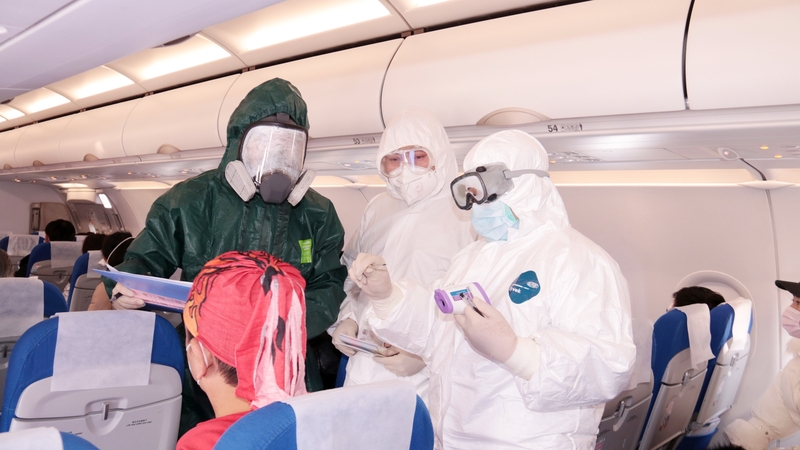
The Department of Foreign Affairs has advised Irish citizens not to travel to Hubei province, which is the centre of the coronavirus outbreak as the death toll reaches 169 and confirmed infections over 6,000.
The department is also advising Irish people to reconsider non-essential travel to the rest of China as the situation remains fluid with more containment measures likely to be implemented by the Chinese government.
Hundreds of Americans and Japanese have been airlifted out of the quarantined Chinese city at the centre of the epidemic aboard charter flights.
The scale of the deepening crisis was emphasised with the new infection number on the Chinese mainland exceeding that of the Severe Acute Respiratory Syndrome (SARS) outbreak in 2002-03.
SARS, another respiratory coronavirus transmitted between people, went on to claim nearly 800 lives around the world, with most of those fatalities in mainland China and Hong Kong.
The new disease has spread to more than 15 countries since it emerged out of Wuhan late last year, although all the confirmed fatalities have so far been in China.
We need your consent to load this rte-player contentWe use rte-player to manage extra content that can set cookies on your device and collect data about your activity. Please review their details and accept them to load the content.Manage Preferences
Authorities last week imposed transport bans in and around Wuhan in an unprecedented quarantine effort, leaving more than 50 million people effectively trapped.
China has taken other extraordinary measures to try to stop the disease spreading, including bans on tour groups travelling overseas, suspending schools and extending the Lunar New Year holiday.
Read More:
EU citizens to be airlifted out of virus-hit Chinese city
Australian scientists claim first re-creation of coronavirus outside China
What is coronavirus?
WATCH: Graphic shows the spread of the coronavirus in China since Tuesday 21 January | Read more: https://t.co/v4pdwCrkwu pic.twitter.com/I29VIc4tVa
— RTÉ News (@rtenews) January 29, 2020
With global concerns mounting, Ireland, the United States, Britain and other countries have also advised their citizens against travelling to China.
The BBC has reported that British nationals evacuated from Wuhan will be quarantined for 14 days.
British Airways said it has suspended all its flights to and from China owing to the deadly virus.
"We have suspended all flights to and from mainland China with immediate effect following advice from the (UK) Foreign Office against all but essential travel," BA said in a statement.
Indonesia's Lion Air Group, Southeast Asia's biggest carrier by fleet size, is halting all its flights to and from China, a company spokesman said.
Dozens of flights would be affected on routes to 15 Chinese cities, he added.
Thousands of foreigners have been among those trapped in Wuhan, which has become a near ghost-town with car travel banned and residents staying indoors.
Countries have for days been scrambling to try to get their citizens out of Wuhan safely, but have faced huge logistical, medical and bureaucratic hurdles.
About 200 people were aboard the Japanese flight which landed in Tokyo this morning.
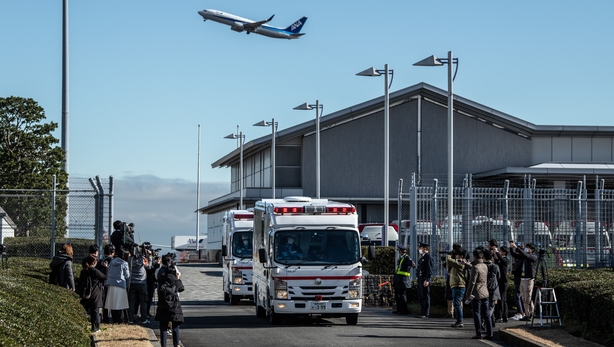
Medical professionals were on the plane to carry out checks and Japan's health ministry said around nine passengers have been hospitalised with symptoms like fever and coughing, although coronavirus has not been confirmed.
Other passengers have been asked to remain at home and avoid crowds at least until the results of the test were known.
A US charter flight also left Wuhan with about 200 Americans on board, including employees from the local US consulate.
The European Union will fly its citizens out aboard two French planes this week, and South Korea is due to do the same.
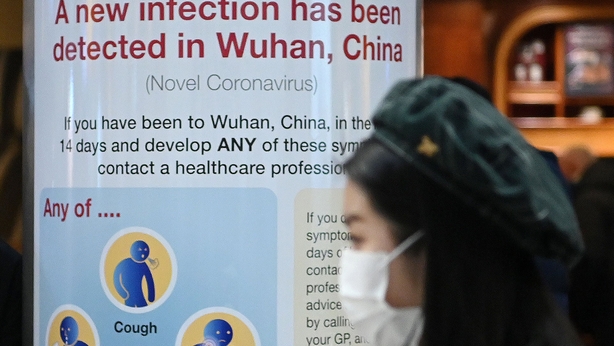
Australia said it would evacuate citizens from Wuhan and quarantine them on an island normally used to detain asylum seekers.
Authorities said today the number of cases in Hubei province, the centre of the virus of which Wuhan is the capital, soared by over 800 from the previous day.
The number of confirmed cases across the country climbed over 6,000, while the death toll jumped this evening to 169.
All of those new reported deaths were in Hubei except for one, in a province just to the north.
The virus is believed to have originated in a wild-animal market in Wuhan, where it jumped to humans before spreading across the country as the peak travel period for Lunar New Year festivities got under way.
Chinese President Xi Jinping on Tuesday branded the virus a "demon", as he held talks with World Health Organization chief Tedros Adhanom Ghebreyesus.
The WHO later said it would send urgently dispatch international experts to China "to guide global response efforts".
Until Tuesday, all reported cases in more than a dozen countries had involved people who had been in or around Wuhan.
But Japan and Germany then reported the first confirmed human-to-human transmission of the illness outside China. Vietnam is investigating another case.
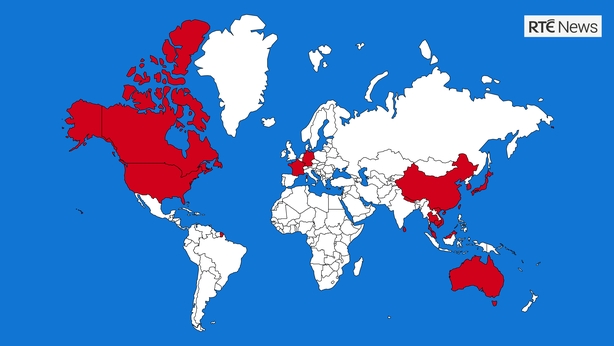
Germany now has four confirmed cases, all of them employees at a Bavarian firm recently visited by a Chinese colleague, health officials said.
United Arab Emirates has confirmed its first case of the virus in a family who travelled there from Wuhan.
An Irishman living in Wuhan said he wants to be able to leave China, but only if the conditions are right.
Ben Kavanagh, a teacher who is originally from Co Kildare, said he would not want to leave unless there was a quarantine zone in place, as he did not want to potentially contribute to the spread of the virus.
Speaking on RTÉ's Morning Ireland, Mr Kavanagh said everything was very unclear at the moment.
He said he has been given no specific advice other than the usual "stay inside" requests.
He said all eight Irish people in Wuhan were in touch via a WhatsApp group since the outbreak began.
Mr Kavanagh said his family want him to be safe, but he did not want to just leave his life behind in China.
Meanwhile, Dublin City University has advised its students who are studying in China to return to Ireland to finish semester two here.
In a statement, DCU said none of its students currently in China are in the Hubei region, but as a precaution they are being advised to return home. It also said that a small number of staff and students visited China in the past month.
While none of them were in Hubei province, they have been advised of current WHO coronavirus guidelines, but none have reported any symptoms.
