
A serious breakdown in relationships at the top of Northern Ireland's legacy body is undermining its work, according to a British Government commissioned review.
The Independent Commission for Reconciliation and Information Recovery (ICRIR) was established by UK legislation.
For now, it is the only body that can investigate killings and serious injuries linked to the Troubles, after alternative options including civil actions and inquests were shut down by the new law.
A independent review commissioned by the Northern Ireland Office has found that the ICRIR is facing a combination of structural weaknesses, problems with financial management and conflict among senior leaders.
Taken together, the review says, these are "damaging the operation of the organisation and overall morale".
Northern Secretary Hiliary Benn said he was "deeply concerned" by the findings.
"What has been identified is unacceptable and falls below the standards expected. It is for the ICRIR Board to take whatever steps are necessary and appropriate to address this," he said.
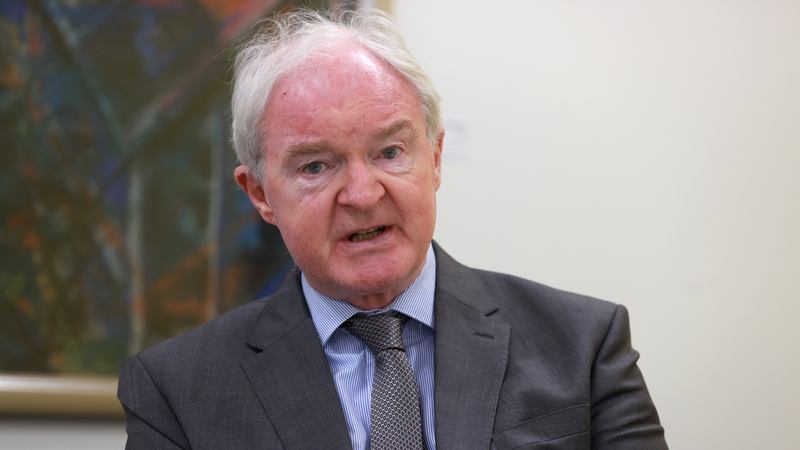
The head of the ICRIR Declan Morgan apologised.
"We acknowledge and regret the shortcomings identified in the May report," he said.
"As Chief Commissioner I am deeply sorry that this has happened on my watch.
"We are committed to addressing this as we move forward.
The Labour Government in Britain inherited the ICRIR which was established under legislation passed by their Tory predecessors.
It has promised to repeal and replace the legislation, strengthening the powers and governance of the ICRIR and renaming it the Legacy Commission.
'Quite divided' leadership team
The most damaging review finding is one about the working environment in the ICRIR with complaints over disputes and behaviour.
At one point, a disagreement over roles and responsibilities prompted senior figures in the organisation to seek legal advice.
The review finds that the senior leadership team has become "quite divided" and this was causing a loss of confidence in the rest of the staff.
The culture of the organisation was described by some as "toxic", "divided" and "disrespectful".
"The scale and nature of the issues reported are such that there is a clear risk that things will run out of control in the absence of clear unified leadership to set out what is and is not acceptable," the report said.
The type of things reported include public backbiting among senior figures; a developing sense of "them and us" between senior and junior staff and sometimes emotional interactions.
Some senior women considered that they were treated in a "rude and disrespectful" way, with some believing it was as a result of sexist attitudes.
The review by a former senior civil servant also found that funding and staffing levels were insufficient to cope with current workloads.
Staff said they were concerned that they might not be able to complete investigations in a reasonable timeframe and families were not being told that.
Some cases were being paused due to a lack of resource, something the review said was likely to worsen.
In addition, there had been three finance directors at the organisation in the past 12 months and an overreliance on contract finance staff.
The review highlighted one specific risk around when the first of the ICRIR investigation reports would be ready.
It said the "absence of product" was a major consideration when some were saying £60m had already been spent with no clear indication of when reports might be finished.
The review has made a series of recommendations to address the concerns it raised.
The Northern Ireland Office has established an oversight board to ensure they are implemented.
One group which supports families and is opposed to the ICRIR said the findings pointed up serious deficiencies.
Relatives for Justice said if the organisation's own staff did not have confidence in their senior leaders, then how could bereaved families be expected to.
The legislation to repeal existing legacy laws and replace them with new ones is to be reintroduced to the Commons following delays due to opposition from British military veterans.