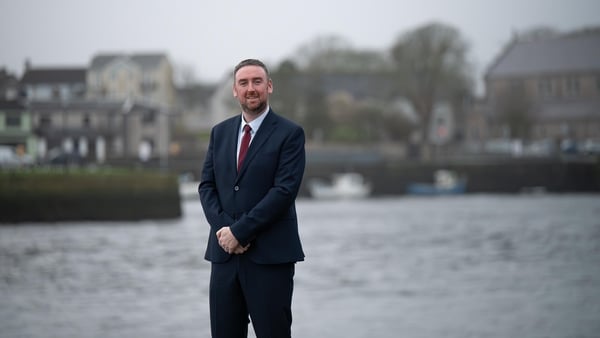

The American lawyer, who won a landmark social media addiction case this week, has said he hopes the victory marks more than a "band-aid on a bullet wound".
Mark Lanier was speaking after a jury in a Californian court found Meta and Google had deliberately devised addictive online platforms that harmed the mental health of his now 20 year old client.
The plaintiff, known as Kaley, had been watching videos on YouTube from the age of six and by the age of nine was using Instagram.
Mr Lanier said that "on some days she would be on Instagram for over 16 hours" and that this led to significant disturbance and had "changed the trajectory of her life".
He contended that the companies that own the platforms had purposely developed addictive features, designed to hook users, and had failed to warn about their dangers.
Speaking on Saturday with Cormac Ó hEadhra on RTÉ Radio One this afternoon, Mr Lanier said documents presented over the course of the proceedings showed the companies knew that the features in question were "negative in terms of teen wellbeing".
The companies were ordered to pay a combined $6 million in damages, on foot of the verdict.
Meta, which owns Facebook, WhatsApp and Instagram, and Google, which owns YouTube, plan to appeal the decision.
Mr Lanier said there was "a feedback loop with social media" which the companies' own research had found was harmful.
We need your consent to load this rte-player contentWe use rte-player to manage extra content that can set cookies on your device and collect data about your activity. Please review their details and accept them to load the content.Manage Preferences
However, he said internal decisions had been made by Meta to not make that public and not to pursue further research on the emotional effect the platforms had on teenagers.
He said the case centred on the features contained in the apps, rather than the content that was posted on them, as the companies were very well protected by existing laws in the US.
Mr Lanier said he hoped the case would lead to a shift in the focus about the harm caused by social media. "Every time this rises to the surface of social attention, the PR department kicks in" he said.
He expressed a hope that measures to truly address the problem would now be forthcoming.

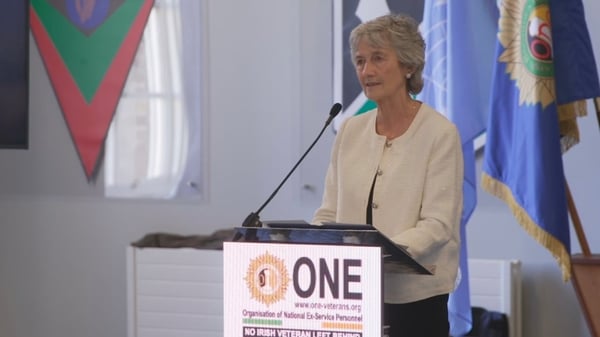
Noeline Blackwell, online safety commissioner with the Children's Rights Alliance, said the case had pierced a shield used by social media companies, by focusing on the platforms, as opposed to the content posted on them.
She said many people had first hand experience of the impact features like infinite scrolling had on the lives and well being of their children. She said the companies in question could remedy these if they wanted to.
Ms Blackwell said protections used by the social media firms in the US also applied in Europe but that these would need to be looked at in light of this week’s verdict.