


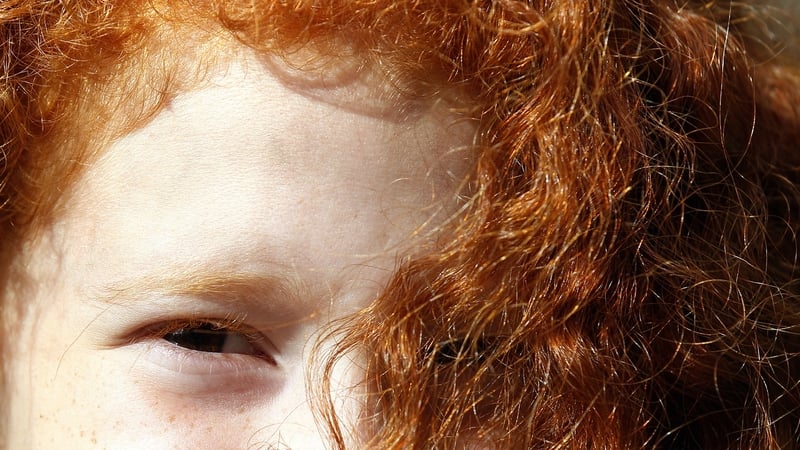
An inherited "ginger gene" associated with red hair, pale skin and freckles is directly linked to the genetic risk of developing skin cancer, new evidence has shown for the first time.
The MC1R gene variant can boost the risk of skin cancer by the equivalent of 21 extra years of sun exposure, say scientists.
Red-haired people all have two copies of the variant, which causes a strong tendency to burn in the sun.
But even a single copy of the variant, found in many people without red hair and freckles, increases the number of gene mutations associated with malignant melanoma, the deadliest form of skin cancer, research shows.
The MC1R variant affects the type of melanin skin pigment they produce, leaving them especially vulnerable to damage from the sun's ultraviolet (UV) rays.
The scientists analysed data-sets of skin tumour DNA sequences collected from more than 400 people.
They found an average of 42% more sun-associated mutations in tumours from people carrying the MC1R gene variant.
UV rays, either from sunlight or artificially generated for sunbeds, damage DNA. People with red hair have a skin pigment that is thought to allow more of the rays to penetrate their DNA, potentially increasing the risk.
The new study, published in the journal Nature Communications, confirmed that the MC1R gene variant raised the number of spontaneous mutations in the skin caused by UV rays.
Unexpectedly, it was also found to boost levels of other skin tumour mutations not related to UV exposure - suggesting involvement of the variant in cancer processes not driven by sunlight.
