
Online fraudsters are using AI-generated images and videos to try to lure consumers into handing over sensitive data, according to FraudSMART.
The fraudsters have been exploiting recent news coverage of a planned State-backed savings and investment scheme to make their adverts appear legitimate.
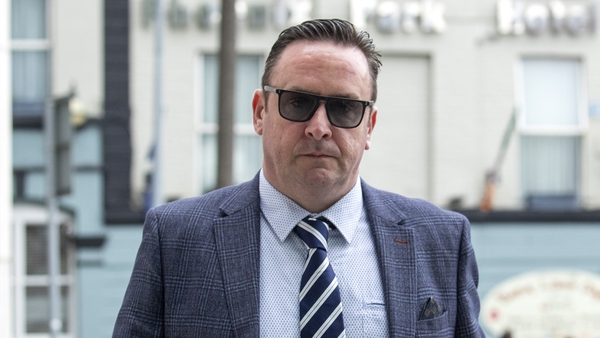
Detective Superintendent at the Garda National Economic Crime Bureau Michael Cryan said many of the people targeted by these investment frauds are in their early 50s who are saving for their retirement.
"The average age last year was around 51-years-of-age and that makes sense, because these are the people who are coming close to retirement, who may, may have money as well, and have money to invest, and they're looking for the best options.
"This type of fraud is can be very intergenerational too, because this is the nest egg they've saved to give to their sons, or give to their daughters, or their grandchildren, and suddenly it is gone, or it's their pension pot that that they're investing as well to try and improve their their quality of life as they retire."
He said there can be a lag of around 18-months in people reporting this as they may not realise straight away that they have been targeted.
"They invest the money, sometimes the fraudsters will continue sending them lovely charts and graphs showing them how well their investment is doing, and it's only when they try to cash out, sometimes or they'll just see something in the media and to say: 'I need to check on that’".
The Tánaiste and Minister for Finance Simon Harris said that he is now working to bring forward measures that will require online platforms to request proof from advertisers of financial services to ensure that they are properly regulated.
He has met with the main pillar banks on the issue of deepfake ads, which he says poses particular risks to older people.
He recently spoke about how he himself was the subject of a deepfake ad, promoting a financial product.
The video manipulated a previous address the Tánaiste delivered at Government Buildings in order to promote a fake product about his planned Personal Investment Account.
The Department of Finance says a new financial literacy strategy will be published next month in order to make people more resilient in this area, and the issue of greater cooperation at an EU level to tackle such scams will be raised as part of Ireland’s EU Presidency.

"These sort of deepfake ads are designed to do only one thing: Deceive," Mr Harris said in a statement.
"The ads are causing particular anxiety among older members of our society who may be duped into believing their credibility.
"It’s important now that we act decisively to clamp down on these fraudulent practices.
"Work is ongoing with our EU colleagues to introduce ‘financial services advertiser verification requirements’ and I am open to pursuing all avenues available to us to tackle this deeply concerning and growing phenomenon."