National Ambulance Service (NAS) personnel will stage a 24-hour strike today, as a long-running row over pay escalates.
Around 2,000 members of SIPTU and Unite held a work-to-rule yesterday, ahead of taking to the picket lines from 8am this morning.
The HSE has warned it is very concerned about the significant impact the industrial action is likely to have on ambulance services tomorrow.
It added that people may need to consider making their own way to emergency departments over the course of the 24-hour stoppage.
Here's everything you need to know about today's action:
What sort of disruption can the public expect?
From 8am, pickets will be placed at various ambulance dispatch centres across the country for a period of 24 hours.
It is the first of a series of strikes planned if the dispute is not resolved - with a 48-hour stoppage beginning on 19 May and a 72-hour stoppage on 26 May.
Further action in June has also been proposed by SIPTU.
As the NAS provides an emergency service, workers are legally obliged to continue to provide some level of service.
However, this service is expected to be reduced and limited for the 24-hour period.
The HSE warned the NAS will experience delays to responding to non-life-threatening calls and that service capacity will be "significantly impacted".
The 999 or 112 phone service will remain fully operational throughout the 24-hour stoppage.
A contingency plan has been put in place by the HSE, with priority given to patients facing emergencies such as cardiac or respiratory arrest and serious traumas such as those arising from road traffic accidents.
People have been urged to consider alternative healthcare options during the dispute such as injury units, GP surgeries, local pharmacies and mental health supports.
The NAS has said people with less-time critical emergencies "may need to think about whether they need to make their own way to hospital".
NAS Clinical Director Professor Cathal O'Donnell said today would be "very challenging" and that the people "who need us may experience very significant delays".
We need your consent to load this rte-player contentWe use rte-player to manage extra content that can set cookies on your device and collect data about your activity. Please review their details and accept them to load the content.Manage Preferences
"People should consider other alternatives and people may need to think about whether they need to make their own way to hospital rather than contacting us.
"They should contact us, but it may be the case that they will get there quicker if they make their own way," he said.
Yesterday's work-to-rule, which involved non-cooperation with any new procedures or changes, is also expected to have knock-on effects across the system.
What does the dispute centre on?
The dispute between SIPTU and Unite members working in the NAS and the HSE dates back a number of years.
Last month, union members within the NAS voted overwhelmingly to take industrial action, up to and including strike action.
SIPTU and Unite have accused the HSE of failing to implement the recommendations of an independent report published in May 2020 on updating staff salary scales to reflect changes in responsibilities and workload over the last 15 years.
The 'Roles and Responsibilities Review' recommended enhancing and updating pay scales to reflect changes to qualifications, responsibilities, work load – changes that have happened in recent years.
The dispute involves members working as emergency medical technicians (EMT), paramedics, advanced paramedics, specialist paramedics and paramedic supervisors.
The crux of the dispute from the unions' perspective is that while the job has changed, the pay has not.
They say that these changes involve the NAS moving away from just transporting patients to hospital to a higher degree of pre-hospital care and treatment on a daily basis.
EMTs and paramedics are having to increasingly administer various medications, with additional training and qualifications required for dealing with various different incidents that ambulance workers encounter.
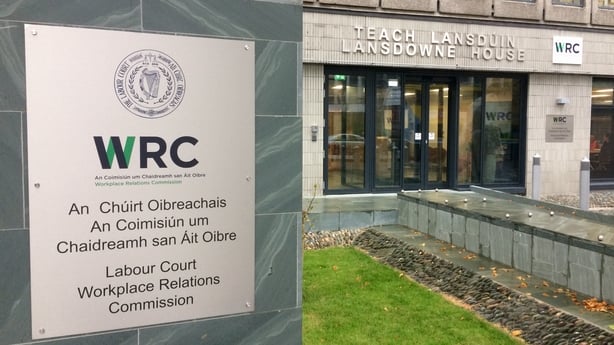
From the HSE's perspective, they say they have worked intensively with unions to resolve the dispute, pointing to previous recommendations from the Workplace Relations Commission (WRC) and the Labour Court.
In July of last year, the HSE and the Government accepted proposals from the WRC and Labour Court which the HSE said included pay improvements of 3% to 14%.
The HSE said this was on top of a 9.25% pay increase under the Public Service Agreement 2024-2026.
It said this arrangement was also accepted by the unions themselves, but when it was put to union members, it was rejected.
It said the WRC proposals included new pay scales for relevant grades that recognise past, present and future transformative change.
However, it now appears that both sides have reached a stalemate.
Will the Government intervene?
Minister for Health Jennifer Carroll MacNeill has so far resisted calls to intervene in the dispute.
She said the issue was an "industrial relations matter" which needed to return to existing industrial relations structures.
She said: "Unfortunately the (WRC) proposal didn't get the support of ambulance workers themselves and this needs to go back to the industrial relations structure that has serviced this State so well and where we can really deliver outcomes.
"But that is the process. And I don't want to step across that as of course its an independent process."

"We go to our industrial relations architecture because it is so reliable, because it is so robust and I have to give that the opportunity to work.
"That is where matters get resolved, have previously been resolved and this one should be resolved within the industrial relations structure."
Taoiseach Micheál Martin echoed this view, saying he hoped both sides would "enter into the trusted mechanisms that are there to resolve issues of this kind".
"We have good labour relations machinery, we should use it to try and resolve this," Mr Martin added.
What have union leaders said?
SIPTU's Ambulance Sector Organiser John McCamley has said the responsibilities and operational practice guidelines for NAS workers has increased dramatically over the past two decades.
"Since 2011, EMTs and paramedics have increased their responsibility for administering various medications by 89% and 83%, respectively.
"All we are asking is that, like other health professionals, their training and qualifications are respected and recognised in an appropriate pay and grading structure which takes account of the major workplace changes which have taken place over the last 20 years.
"SIPTU members have been left with no option but to issue a strike notice due to this long-running dispute.
"The overwhelming mandate from our members for industrial action up to and including strike action is an indication of the depth of feeling within the service and the belief that their sacrifice and commitment over the last 20 years to the professionalisation and modernisation of the service have been forgotten about by the HSE."
Unite General Secretary Sharon Graham said their members have been left with no option but to take action to secure "long-overdue recognition and pay commensurate with their skills and expertise".
Unite Regional Officer Eoin Drummey added: "The HSE can resolve this dispute by agreeing to implement the 2020 Review immediately and without preconditions.
"Our members would prefer to be on the frontline saving lives, but they have been forced on to the picket line to demand that the vital work they do serving communities across Ireland is finally recognised."
What has the HSE said?
The HSE has said it remains "firmly committed" to addressing the dispute through the process set out in the Public Service Agreement and called for both SIPTU and Unite to withdraw the industrial action.
It said it and the Government has accepted the need to increase and modernise pay arrangements, but that it is also obliged to ensure that in exchange for "significant increases" in pay, our services can continue to transform to meet the needs of the public.
It said the NAS has been the focus of a "major transformation and investment programme" from 2022 to 2025.
The programme aims to strengthen service delivery, improve patient safety, and expand alternative and community-based care.
The HSE said these reforms would deliver better care for patients in the right place and in some cases avoiding the need to go to hospital.
They would also deliver faster response times, more ambulances on the road, better deployment of staff to safely treat more people, with the right training and ongoing professional development to support them.
What have advocacy groups said?
The Irish Patients Association (IPA), an independent advocacy group focused on patient safety and rights protection, said patients must not be used as pawns in any industrial dispute by any party.
The IPA said the immediate priority must be about protecting patient safety, while ensuring "urgent and meaningful" engagement to resolve the underlying issues.
The body also called on Ms Carroll MacNeill to intervene and bring all parties back around the negotiating table.