
More than one in three (35%) adults in Ireland have experienced fraud but over a third of fraud victims never report it, according to new research from the Central Bank.
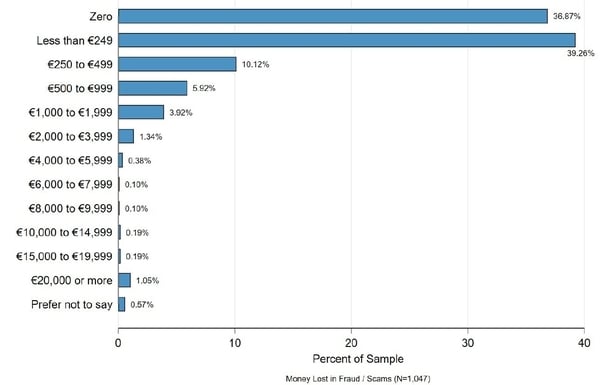
The study found that nearly two thirds of victims lost money as a result of the fraud, with most victims losing "relatively modest amounts" (39% losing less than €249).
The Central Bank research identified investment fraud as a "particular concern", with the regulator saying that although it impacted just 7% of respondents, investment-fraud victims typically lose more substantial amounts.
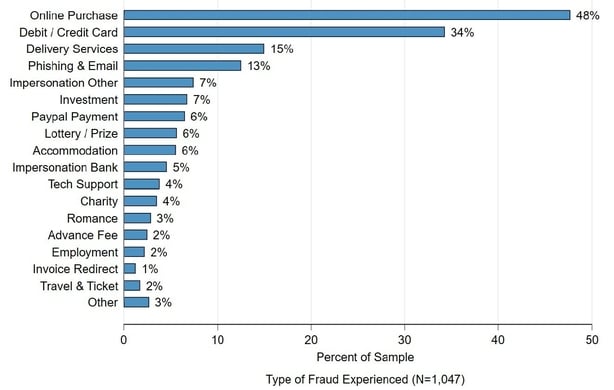
According to the findings, online-purchase scams were the most common type of fraud (affecting 48% of victims), followed by debit and credit card fraud (34%).
Other prevalent scams included delivery service impersonation (15%) and phishing/email scams (13%).
The report said "risky online behaviours" were the "single strongest predictor of fraud experience - more influential than age, income, or education level".
Such behaviours included making purchases from unfamiliar websites, sharing banking or payment card details through insecure channels like email or messaging apps, and sending money to people met online but never in person.
The study also found 38% of fraud victims never reported their experience to their financial service provider or any authority, despite the research finding a "clear correlation" between reporting fraud and recovering lost funds.
It said that among victims who reported fraud to their bank, An Garda Síochána or another relevant authority, 57% were able to recover their money.
However, just 13% of those who didn't report the fraud recovered their funds.
According to latest figures from the Central Bank, total reported payment fraud in Ireland reached €160 million in 2024, which was a 24.5% increase from the previous year.
However, the regulator's fraud research suggests the true impact on consumers may be significantly underestimated.
Commenting on the report, Central Bank Deputy Governor Colm Kincaid said: "Reporting to your financial service provider makes it more likely your money can be recovered and where you did not specifically authorise the payment transaction you have a statutory right to a refund, subject to limited exceptions.
"By reporting, you may also help others by making your financial service provider aware of the fraud," he added.
The findings were based on a nationally representative survey of almost 3,000 adults carried out between December 2024 and January 2025.
Meanwhile, Taoiseach Micheál Martin has expressed shock that a couple were scammed out of thousands of euro they had spent on a planned wedding.
He was responding in the Dáil to Social Democrats TD Cian O'Callaghan who highlighed the new research on fraud which was published by the Central Bank.
That number includes a young couple "from north Dublin, preparing for their dream wedding," Deputy O'Callaghan said.
"They booked what they believed was a legitimate villa advertised on Facebook. They paid €2,800 for accomodation that did not exist."
The deputy warned that "these scams are operating on an industrial scale".
Mr Martin accepted that online fraud is "an enormous issue", as in "the shocking case" of the young couple.