
Inspectors with the Health Information and Quality Authority (HIQA) found residents at an IPAS centre in the mid-west living in tented accommodation, despite 146 vacancies in on-site accommodation blocks.
In January, there were 208 residents living in the Co Clare facility, 102 of whom were living in tented accommodation.
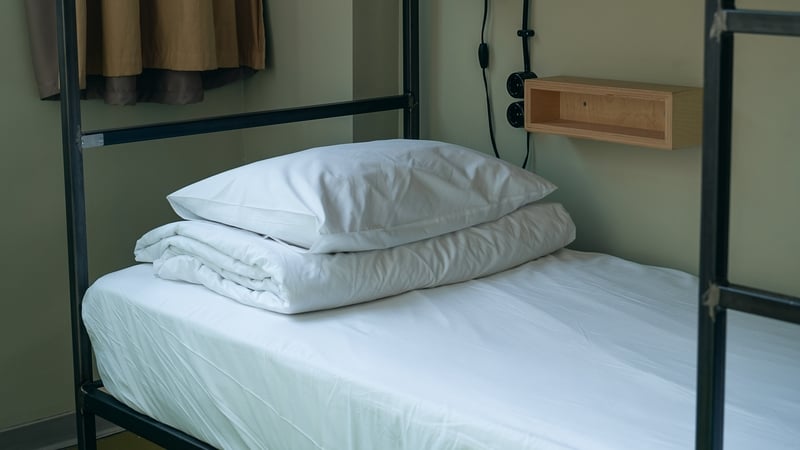
Single female residents and families (including 19 children) were accommodated in two prefabricated blocks while accommodation for single males was spread between four remaining blocks and 13 military style tents.
When HIQA reviewed the accommodation records, the internal temperatures of some tents were recorded as low as 7.1°C on occasions in early January.
The report says no contingency plan, or risk assessment was in place to outline an acceptable temperature range for the tented accommodation or what circumstances residents should be evacuated.
HIQA requested an urgent risk assessment to provide staff guidance on what to do if temperatures dropped below 16°C and this was carried out by the provider.
Inspectors found that conditions in the six prefabricated accommodation blocks were "marginally better" than those in the tented accommodation area.
However, they found the standard of accommodation had deteriorated from the time of the previous inspection. The underlying causes of mould, dampness and ingress of water had not been assessed or addressed according to the report.
'Lack of a clear strategic plan' at senior management level
HIQA acknowledged efforts by frontline management to repair and maintain the buildings but also described "a lack of a clear strategic plan or direction at senior management level".
While the primary function of the centre is to provide accommodation to people seeking international protection, the inspectors found that 128 (61.5%) of the residents had received refugee, subsidiary protection or leave to remain status.
Due to the cited lack of alternative private accommodation, many were unable to avail of more appropriate accommodation arrangements in the wider community, according to the report.
The report is one of five inspection reports published by HIQA today.
Inspectors found examples of good practice, including access to health and social services; the provision of education supports and staff members supporting residents to access relevant community-based services and activities.
Areas for improvement were identified across the centres, such as in the accommodation; governance and management; safeguarding and protection and the identification, assessment and response to special needs.
In two centres not all residents had a vulnerability assessment on file meaning service providers could not be assured that needs were being met.
Where facilities were not compliant with national standards, providers were required to submit plans to demonstrate how they would make improvements.