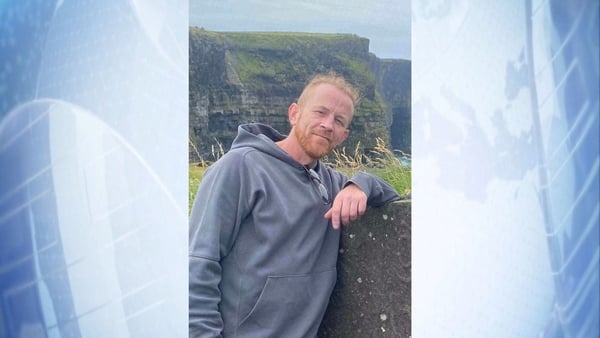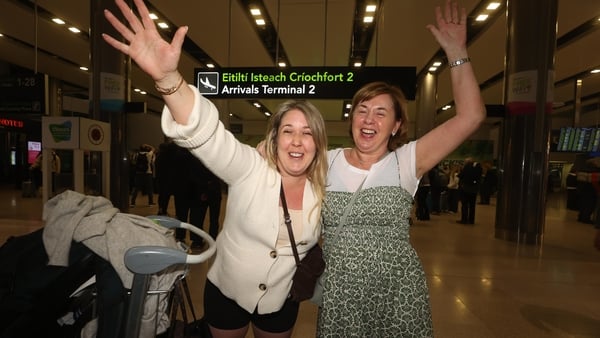
Anti-bullying campaigner Jackie Fox has warned that the issue of online bullying is impacting younger teenagers, saying that both the victims of bullying and the bullies themselves are "getting younger".
Ms Fox visits secondary schools across the country to tell the story of her daughter, Nicole 'Coco' Fox, who was relentlessly bullied both online and physically for a period of three years before she died by suicide in 2018.
Ms Fox's subsequent campaigning prompted a landmark change to Irish law, leading to the introduction of the Harassment, Harmful Communications and Related Offences Act 2020.
Earlier, students at Our Lady of Mercy Secondary School in Drimnagh in Dublin were given a lesson about Coco's Law to help them understand that they are legally accountable for their digital actions.
It is part of An Garda Síochána’s schools programme and the lesson provides a clear breakdown of the legislation.
It criminalises the sharing of or the threatening to share intimate images without consent.
Watch: campaigner Jackie Fox explains that both victims and bullies are 'getting younger'
The law names new specific offences regarding online activity - particularly focusing on the sharing of intimate images and sending threatening or offensive communications.
It empowers students to recognise key offences and understand that they are legally accountable for their digital actions by explaining the existing legislation, facilitating discussion around respectful relationships and consent, and educating students using real life scenarios.
"When I do talks in school, it's on repeat for Transition Year classes as there’s a new class every year," said Ms Fox.
"I used to do TY, fifth and sixth years, but now a lot of schools are calling me in for first, second and third years.
"The victims are getting younger and the bullies are getting younger," she added.
Ms Fox said: "With the schools that I go to it is incredible."
She said when she delivers her talks "you could hear a pin drop in the room".
She said she gets "a lot of reviews from teachers", adding "but I also get it when I'm finishing my talk, students come up".
The things, she said, they tell her are "so sad, like about how they're feeling".
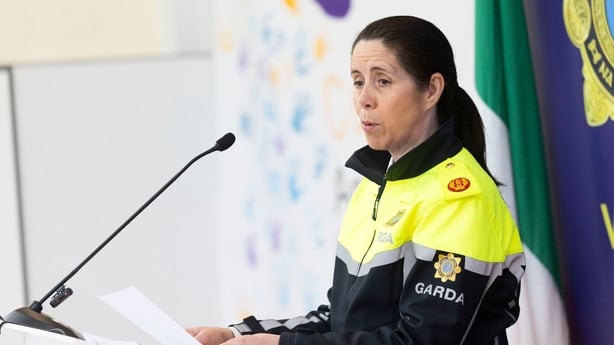
Minister for Education and Youth Hildegarde Naughton said the programme "not only raises awareness of the legal consequences of inappropriate behaviour online, but also empowers students to make respectful, informed choices and to seek support when they need it".
"We are moving beyond 'internet safety' as a concept and into the reality of legal responsibility," Garda Assistant Commissioner Catherina Gunne said.
"We want to protect students from exploitation and ensure they understand that every click and share has a real-life consequence," she added.
'Cyber bullying and just bullying in general is awful'
Over 1,860 harmful communication incidents have been recorded by gardaí in the last three years and in total there have been 470 charges and summons issued under Coco's Law in the last five years.
Ms Fox said she delivers a "mammy version" of her talk to secondary school children. Having started off speaking to students in transition year, she now speaks to those in first and second year who are aged 12, 13 and 14.
"Education is key for everyone," she said.
"We tell them about the law, the consequences and what will happen and teach them that it's not just for adults from age 12 up."
She said the news that there have been so many recorded instances and charges and summons is both brilliant and sad.
"Before Coco's Law, the guards hands were tied. They could never do it. It's brilliant but it's so sad as well when you look at the amount of people that are destroying other people's lives ... whether its bullying mentally, or the intimate images shared around, the devastation that can bring on someone."
Listening to today's lesson, which was led by Garda Orla Cashell from the Community Engagement team, many of the teenagers said they had learned a lot.
"Even if you're not the one threatening to send it and you just get sent it, and you send it to another person, that's just as bad, which was a big shock to me," says 14-year-old Evan Burke.
"Cyber bullying and just bullying in general is awful," says Ella Campbell, who is also 14. "No one should have to go through it. If someone sends images or something just talk to someone. That's the main thing. Talking to people and making sure you're kind to everyone and not spreading negativity 'cause that's just wrong."
Watch: Students who attended the lesson spoke about online bullying and Coco's Law
Abbie Cumberton, 13, says lots of people are bullied online if they like or even post a video on platforms including TikTok, they can receive public comments from anywhere around the world. However she said she felt there was support out there and she encouraged anyone being bullied to reach out for help.
"I haven't had that happen to me but I feel like I've been pressured a lot to love up to like certain people on social media," she says, referring to the content on her phone from influencers and celebrities.
Caina Da Cruz, 14, agrees: "In this school we do learn a lot about cyber bullying and bullying in general and what you can do to prevent it."
The current advice given to students is to tell an adult, whether that be a parent, family member, teacher or garda officer.
Assistant Garda Commissioner Gunne said: "Given that most young people now carry a smart device, this lesson isn't just about explaining the law; its about empowering students to be independent and safe."
Minister Naughton said student online wellbeing and safety was a critical priority for her department.
The new lesson is developed along with Webwise. Since November last year a new digital platform Help4U, developed with input from Europol was also launched to support children and teenagers facing sexual abuse or online harm.
Ms Fox recalled how her daughter went from being bright and bubbly to pretending to smile. She told the students not to keep what was happening to them in their heads. "It's not ok to go around with a fake smile," she said.
She has also spoken at the EU Parliament and she hopes that elements of Coco's Law could eventually become EU law.