
The Government is likely to stop short of any specific measures to protect consumers from the economic impact of the Iranian crisis until after it is clear how long the situation may last.
Senior coalition figures have confirmed to RTÉ News that while a potential extension of the fuel allowance season until after March to help those most in need, and while potential pan-European plans may form part of future discussions, no firm decisions have been made.
Reports over the weekend suggested a new cost-of-living support package, similar to what was introduced in the immediate aftermath of Russia's 2022 invasion of Ukraine and energy supports, could also be introduced.
However, for now, Government figures have stressed the coalition is approaching a "wait and see" approach as the Iranian crisis is just over one week old and it is unclear how long or how damaging the economic situation could become, as introducing immediate measures now may subsequently prove to be inadequate or over-stated.
Despite this view, a number of Government discussions are taking place on the situation between Taoiseach Micheál Martin, Tánaiste and Minister for Finance Simon Harris and Minister for Public Expenditure Jack Chambers.
These discussions are likely to continue at today's Cabinet meeting which has been brought forward 24 hours due to the large number of ministers travelling abroad for the St Patrick's Day festivities.
Mr Harris will also travel to Brussels today for an Eco-Fin meeting of EU member states finance ministers, which is expected to hear discussions on what action should take place to protect consumers in the EU from the impact of the Iranian crisis.
Fianna Fáil TD and Minister for European Affairs Thomas Byrne said the Government will ultimately "act accordingly" but that the situation remains in its early stages and that discussions on what to do will take place over the coming days and weeks.
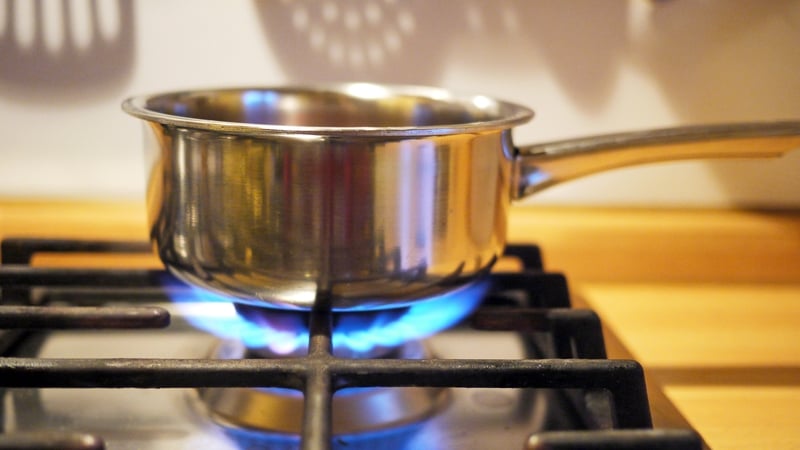
Among the most likely options flagged by coalition figures are a potential extension or expanding of the existing fuel allowance season until after March, which would help those most vulnerable by giving them additional funding to cope with any energy price rises.
A pan-EU response could also take place, a view bolstered by the fact no EU member state has confirmed its own response to date and that a meeting of EU leaders is due on 20 March, a schedule specifically flagged by Mr Byrne.
However, while noted as options, several Government figures have stressed the crisis remains in its early stages and no specific measures have been planned or agreed at this stage.
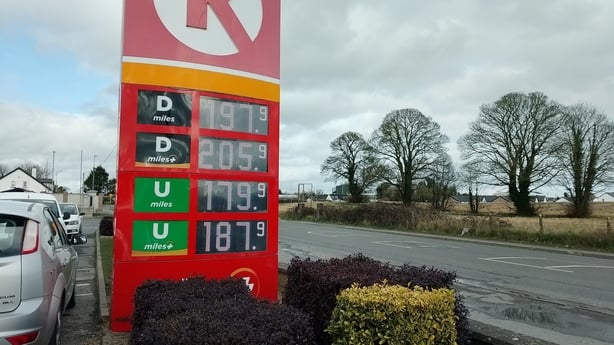
Meanwhile, the Irish Road Haulage Association's President Ger Hyland said the group may delay its threatened rolling protest over rising fuel prices and the carbon tax until after St Patrick's Day in order to help "put on the green jersey" and to give the Government time to assess its demand.
Mr Hyland said he was "trying to convince" hauliers to delay the action, saying the carbon tax should be reduced or removed.
However, senior Government sources have made it clear the coalition is highly unlikely to do so, in part because the carbon tax is strongly supported by climate groups; is used to fund other Government policies; and would risk increasing the disputed view from some critics that the coalition has watered down its environmental policies.
Cabinet to sign off on end of economic crash emergency legislation
The Cabinet will officially end the 2008 economic crash era 'short-term' FEMPI emergency legislation which cut public service pay and pensions at a meeting later today.
Fianna Fáil TD and Minister for Public Expenditure Jack Chambers is expected to bring a memo to the Cabinet on Monday seeking to unwind the measures this morning.
The FEMPI legislation - officially known as the five Financial Emergency Measures in the Public Interest acts - were introduced between 2009 and 2015 by the late former finance minister Brian Lenihan and his successor Michael Noonan.
They were introduced during the worst period of the economic crash in order to cut public service finances, and were meant to be what was repeatedly described at the time - now almost a generation ago - as a "short-term" measure.
Today's move has been described by sources as largely "symbolic" and is linked to the current public sector pay deal, which includes a commitment for Government repeal remaining FEMPI legislation.
The new legislation will transition public service pay from the emergency based legislation to a more standard legal framework.
It is expected that Minister Chambers will tell the Cabinet the change will prevent fragmentation of existing pay deals, and ensure ongoing oversight of public service pay and pensions costs while removing the economic crash-era legislation itself.