
Actions are needed within the private and public sector to stop racism, discrimination, and possible exploitation of Roma people who face significant inequalities in the workplace, according to a new report.
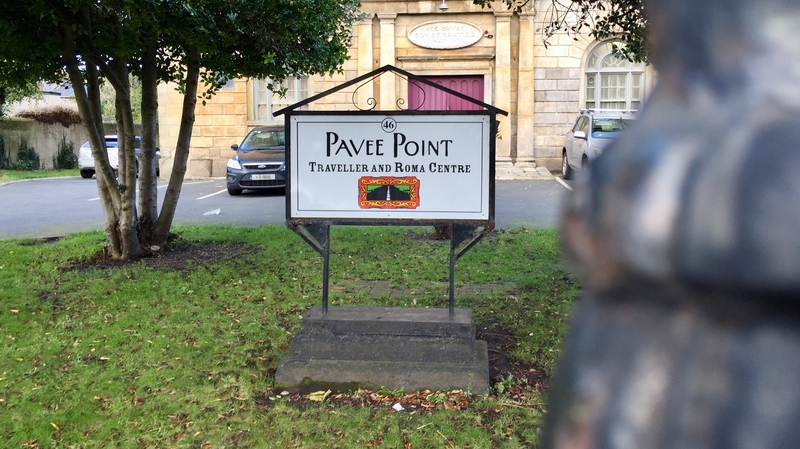
The report follows research led by Pavee Point Traveller and Roma Centre in partnership with Maynooth University, and carried out by Roma peer researchers.
'Roma in Ireland: Access to Fair and Decent Work' explores Roma experiences of employment in Ireland.
It is the first time that research of this kind has taken place
The research team interviewed 23 Roma living in Ireland with a particular focus on four areas with large Roma populations - Longford, Kildare, Wexford and Dublin.
The research team also interviewed 11 staff from State agencies, employment and training initiatives and staff from civil society organisations working with Roma.
The experience of racism was reported in all aspects of life, including when availing of services, on the street and in employment.
The analysis also showed how "visibility as Roma" mediated this experience - where participants were able to hide their identity as Roma, they found it easier to access and remain in employment.
Where Roma were easily identifiable as Roma, for example by dress or physical appearance, they reported experiencing significant racism and found it difficult to access or remain in employment.
Interviewees reported that Roma women experienced more direct racism and discrimination than men.
The ability of Roma women to enter the labour market was also impacted because of their responsibilities for children, families with a member with a disability or older person in need of care.
Direct challenges to accessing employment included language, and literacy barriers, and access to training for employment.
Broader barriers include racism, health issues which were often caused by poor living conditions or poor employment conditions.
Participants described how they had been targeted in work, treated differently to other employees and a power hierarchy where they were at the bottom.
They also described experiences of not being paid properly, or at risk of injury where factory rotations or safety protocols were not followed for them.
They found it difficult to address or challenge this racism and discrimination and described a lack of systems to report these experiences.
Some participants also described significant delays in getting a PPS number; being emergency taxed for long periods, insecure employment and zero-hour contracts;, issues with receiving full pay for their work done, and losing jobs when it was learned that they are Roma.
There were some improvements for second generation Roma who were born or raised in Ireland - however this was not across the board.
Improvements were experienced where young people had access to primary and secondary education and opportunities for progression to further education or higher education.
However, this was not the experience for everyone.
Where families were marginalised and experienced unemployment, poverty and racism, where educational opportunities could not be accessed, poverty and exclusion limited opportunities for young people and families.
Second generation Roma with positive experiences, especially younger Roma, felt that they could be more open about their ethnicity.
The report found that issues faced by Roma in accessing and succeeding in employment are multifaceted and interconnected and it suggests that interventions must also be multi-dimensional.
It says there is a need for interagency collaboration between State services/agencies and Roma/
community organisations to address these challenges.
In the medium to longer term, it says a specific action plan must be developed and resourced to make for how mainstream employment services accessible and effective for Roma.
The report suggests that clear pathways to employment services and basic social protection for Roma are needed, with specific supports to navigate the system and the digital divide essential.
It makes a number of policy recommendations for targeted supports for Roma and recommendations for the workplace, including the Workplace Relation Inspectorate to conduct targeted inspections of certain sectors.
"This is the first time that research of this kind has taken place and it really shines a light on the problems facing Roma in the workplace," Pavee Point peer researcher Rudolf Simonic said.
"We hope these experiences can be considered in the promised Traveller and Roma Employment and Training Plan committed to in the Programme for Government."
Read more:
Racism, discrimination a daily experience for many second generation youth - report