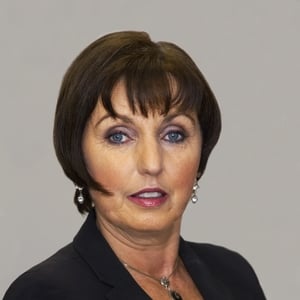
The former deputy chief executive of the Nursing and Midwifery Board of Ireland (NMBI) has claimed that she was forced to resign from her role, and has described herself as a whistleblower.
Giving evidence at the Labour Court in support of her constructive dismissal claim, Deirdre Hogan alleged that from 2015, she had brought concerns about the organisation to the leadership, but that her concerns had been concealed from the board.
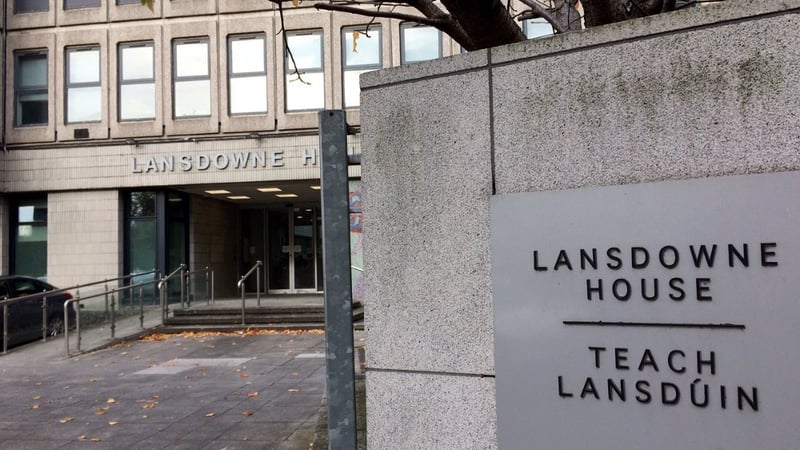
However, the NMBI has categorically rejected her claims, arguing that Ms Hogan had never resigned, had chosen to transfer to the Health Service Executive, and had suffered no financial loss.
Ms Hogan told the Labour Court that she joined the regulatory body for nurses in 2001 and was both deputy CEO and director of regulation.
She said her role had involved senior managerial functions including stepping in for the CEO as acting CEO when required, and she was effectively a "wingman" to the CEO.
In 2015, she raised concerns about issues within the organisation, which she claims that the then president concealed from the board.
She subsequently went to the HSE on secondment but in June 2017, shortly before she was due to return to the NWBI, she was informed that a decision had been taken the previous February to discontinue her deputy CEO post.
In emotional evidence, Ms Hogan described this as the "final straw" saying her trust in both the CEO and the NMBI board had been "totally destroyed".
She said she did not believe that after 16 years of service she should have to put up with what she called "that kind of bullying".
Ms Hogan said making permanent her secondment to the HSE was her way to retain permanent employment but that even if she had not been able to transfer to the HSE, she could not have returned to the NWBI, which she said had totally failed her.
She said she had tried to let her employer know what was going on, and what was being done to her and other staff, but there was a lack of transparency, and the board had not been told what was happening.
Ms Hogan told the court that three or four senior managers had left the organisation, and a number had made complaints.
She said she was "pushed back in a box" and was effectively told "this is your problem, not ours."
Her lay representative John Sidebottom described Ms Hogan as a whistleblower, who had brought her concerns to the then president who was not identified.
However, he acknoweldged that Ms Hogan's case did not include a claim under the Protected Disclosures Act.
Ms Hogan accepted that she had never written a letter of resignation, and that her transition from the NWBI to a permanent post in the HSE on the same terms and conditions had been "seamless".
Asked why she had not availed of the internal grievance procedure, Ms Hogan said that she had previously alerted the board that the procedure was not fit for purpose, as it did not permit grievances to be considered where they involved the CEO or the board.
Representing the NMBI, Claire Bruton BL told the Labour Court that Ms Hogan had never actually resigned, which would be a key element in a constructive dismissal claim.
She noted that Ms Hogan had opted to make permanent a secondment to the HSE, which took place in July 2017, on the same pay and conditions.
Because of this, she argued Ms Hogan had suffered no financial loss.
However, Mr Sidebottom noted that she was now experiencing additional expense as she had pay tolls when travelling to her new job.
Labour Court Deputy Chair Alan Haugh noted that the key issue was to establish whether there had been an actual dismissal.
He said the fact that people left their jobs when they were unhappy did not of itself constitute an unfair constructive dismissal within the meaning of the legislation.
He noted that there was no communication from Ms Hogan around that time, written or otherwise, that put the NMBI on notice that her decision to transfer to the HSE on a permanent basis arose from her concerns.
He also noted that here appeared to be no loss of earnings.
The Labour Court is expected to issue its ruling in the coming weeks.