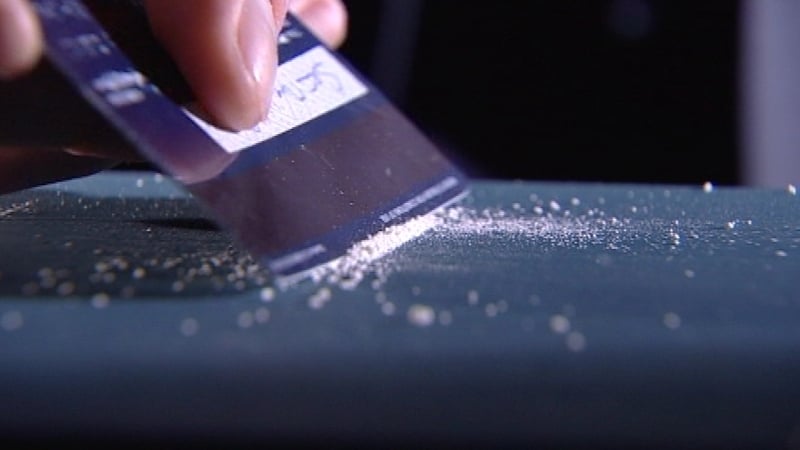

The Health Research Board (HRB) has reported a rise in treatment for cocaine and crack cocaine use.
It has also found an increase in treatment for new psychoactive substances and ketamine.
Its report for 2025 shows there were 15,422 cases treated for problem drug use during the year.
Cocaine remains Ireland's most common drug treated, excluding alcohol and it accounts for 42% of all drug treatment cases.
This represents a rise of 24% on the previous year.
Cocaine remains the main problem drug for over half of cases who are new to treatment.
A small number of cases commenced treatment last year for problem use of nitrous oxide, with over half of these cases aged 17 or under.
HRB Chief Executive Dr Gráinne Gorman said that the report shows the continued dominance of cocaine use in Irish society, it also represents increased investment in publicly funded drug treatment services, meaning they are available to more people that are struggling with problem drug use.
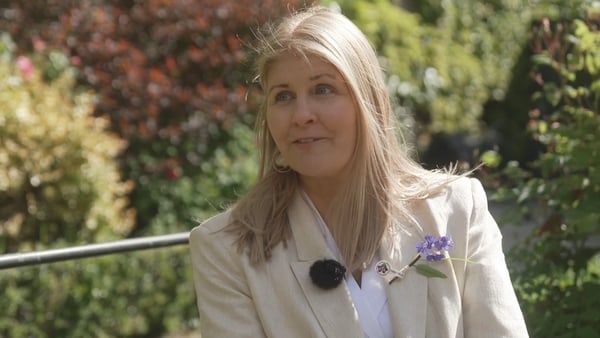
HRB Senior researcher Dr Anne-Marie Carew said there is a growing need for cocaine-specific treatments.
Speaking on RTÉ's Morning Ireland, she said: "Last year cocaine accounted for over four in every 10 cases treated. We're seeing a sharp increase in treatment demand both for powder cocaine and for crack cocaine.
"Cocaine is the most common main problem drug among people entering treatment for the very first time, affecting over half of new cases.
"But it also accounts for around one in three cases that have been in treatment before and are returning."
Dr Carew said the research also hightlighted emerging drugs and how they are being used.
"We're seeing a growth in drugs such as new psychoactive substances, ketamine, nitrous oxide, along with the way in which people are using drugs.
"The numbers here are relatively small, but they are rising quickly, especially among younger people."