An active and healthy woman who was diagnosed with high blood pressure has urged people to have their BP checked.
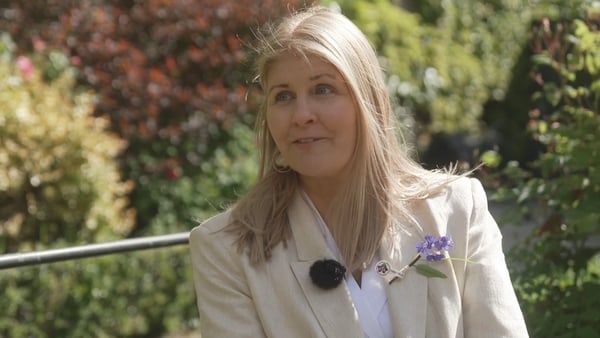
Rebecca Fitzsimons, 71, is a retired French and English teacher from Clontarf in Dublin.
Despite being very active and healthy, she was diagnosed with high blood pressure last year.
She is urging everyone to have their blood pressure checked, to reduce the risk of heart attack, stroke, heart failure, dementia and some forms of blindness.
Ms Fitzsimons said that her initial, borderline high blood pressure reading last year, was confirmed as high a month later by her GP.
She said it prompted her to implement lifestyle changes, including loosing weight, shifting to a Mediterranean-style diet, cutting out eating late at night and improving her sleeping habit.
As a result, her blood pressure has returned to normal.
The Irish Heart Foundation (IHF), supported by other organisations, has launched a month-long campaign to drive greater awareness about high blood pressure and the importance of health checks.
For most people high blood pressure is a reading of 140 over 90 or more.
However, for people with diabetes, or kidney disease, the target blood pressure will be lower to reduce risk of stroke.
If people are diagnosed with high blood pressure, it means their blood pressure is consistently higher than it should be.
Doctors say the symptoms of high blood pressure can often be silent.
Janice Morrissey, IHF Director of Health Promotion, said there is often no single cause but several factors can raise the risk and it can run in families.
She said that people will not know unless they get their blood pressure checked.
Recent research from the Irish Longitudinal Study on Ageing found that 62% of adults aged 50 and older with high blood pressure were not appropriately managed, meaning they were undiagnosed, untreated or treated but not controlled.
This equates to around 445,000 people.
Treatment usually involves lifestyle changes and it may require medication.
The campaign - 'Before Damage is Done' - is also supported by the Irish College of GPs and the Irish Pharmacy Union.