
Immunisation against RSV is safe and effective, but very expensive, HIQA has said.
The Health Information and Quality Authority said immunisation against Respiratory Syncytial Virus significantly reduces hospitalisation, with the greatest benefit in infants, due to the highest burden of disease in this age group.
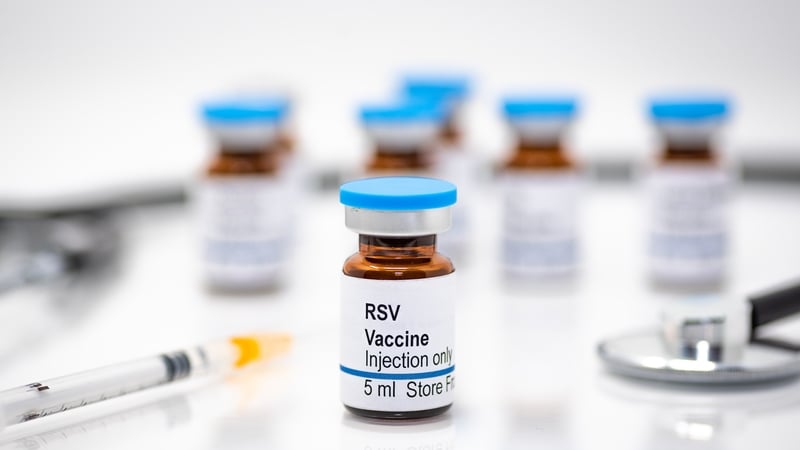
HIQA has published a detailed assessment of potential wider immunisation in Ireland for infants and older people, and said that all the immunisation products were found to be safe and effective.
RSV is a common seasonal viral infection, that affects the lungs and upper airways.
Every winter, over 7,000 people are diagnosed with RSV and infants and older people are at increased risk of severe illness.
It results in around 1,800 hospital discharges and 130 ICU stays in children less than two years of age, each year.
In those aged 65 years and older, there are around 120 hospital discharges a year.
The study was requested by the Department of Health to inform long-term policy decisions by the Minister for Health.
It found the estimated vaccination cost to the HSE, over five years, ranges from €15.6m to provide the maternal vaccine to pregnant women whose baby will be born during the RSV season, to €58.5 million to provide a monoclonal antibody immunisation to all babies born during their first RSV season.
The monoclonal antibody costs around €301 and the maternal vaccine is around €165, all excluding VAT. The adult vaccine is around €165, excluding VAT.
HIQA said there is considerable uncertainty around the likely cost of RSV products to the HSE, and there may be potential for price reductions through competitive tender.
We need your consent to load this rte-player contentWe use rte-player to manage extra content that can set cookies on your device and collect data about your activity. Please review their details and accept them to load the content.Manage Preferences
It found the estimated cost of offering the vaccine, over five years, to adults aged 80 years and older is €70.6m. This is the group which is most at risk of RSV-related hospitalisation and death. For this older population, a once-off dose would be given, which wanes over time.
Dr Máirín Ryan, HIQA Deputy CEO and Director of Health Technology Assessment, said that RSV results in a substantial burden of illness for vulnerable groups and also creates a lot of challenges for the health system, particularly in paediatric care.
She said that while RSV immunisation would reduce winter hospital overcrowding and help make the health system more resilient, it is very expensive.
The review says that longer-term effectiveness and safety data are likely to become available in the near future, which may influence the cost-effectiveness of RSV immunisation.
In 2024, the HSE introduced a pilot RSV vaccination programme for newborn babies during the RSV season, for premature babies and other higher risk infants, due to underlying medical conditions.
The RSV season is from early September to the end of February.
The HSE said that HIQA is correct in highlighting the significant costs associated with the RSV vaccination programme and the need to negotiate the best possible price for these immunisation products.
The HSE said it is currently planning for implementation of its third RSV immunisation programme, while a final decision on a national programme beyond winter 2026/27 is awaited from the Department of Health.