
Seven people have had curative surgery as part of the first pilot Lung Health Check Programme of its kind, funded by the Irish Cancer Society (ICS), with another seven patients due to have surgery in the next month.
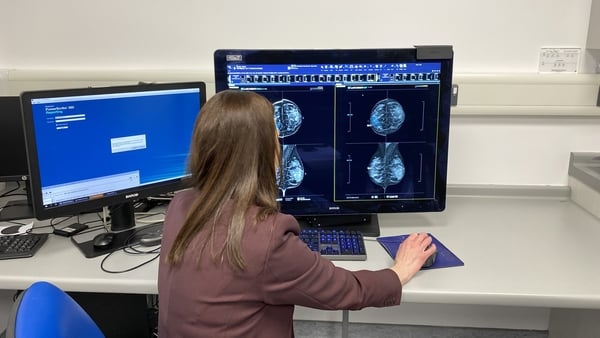
The programme, launched last March, scanned 1,500 people at-risk of cancer, in the North Dublin and the North East Region.
It particularly targeted current or former smokers.
The programme was supported by specific GP practices and the Beaumont RCSI Cancer Centre.
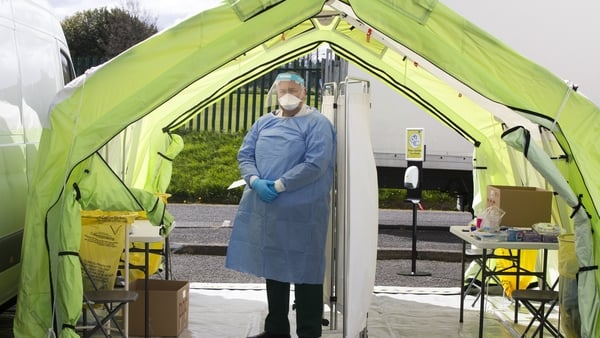
It used mobile scanning units based at local GAA clubs and Croke Park. The project cost almost €5m.
Currently, six in every ten lung cancer diagnoses are detected at a late stage, when it is harder to treat.
Thoracic surgeon Gary Fitzmaurice said the programme is identifying people with very early lung cancer who have absolutely no symptoms and without a CT scan would not have been detected.
The pick-up rate of cancers in the pilot programme so far on early modelling is 1-1.5% but a full analysis is awaited.
The Irish Cancer Society said this is in keeping with international data and other screening programmes such as BreastCheck.
Patient participation rates were also high at between 75-80%.
ICS Director of Clinical Affairs Amy Nolan said the society hoped the outcome of the programme would lead to a free, national lung check programme for all Irish people.
We need your consent to load this rte-player contentWe use rte-player to manage extra content that can set cookies on your device and collect data about your activity. Please review their details and accept them to load the content.Manage Preferences
Patient cured after programme
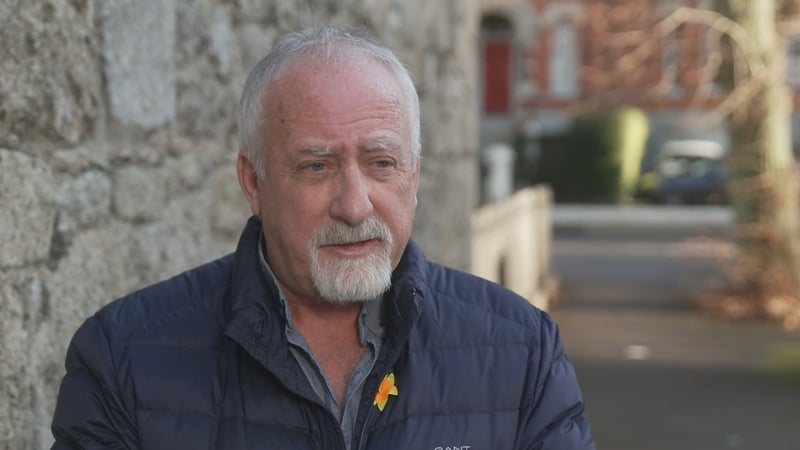
One of the patients who underwent curative lung cancer surgery in the programme is 63-year-old Paul Guinee from Sutton in Co Dublin.
He said he did not think there was anything wrong with his health but received an unexpected call inviting him for a CT scan.
Mr Guinee assumed it was because of his history of smoking, so he felt it was good to attend.
After review he was called to Beaumont Hospital for further scans and these identified an area of concern.
He was diagnosed with stage 1 lung cancer.
Mr Guinee needed surgery and went on to have robotic surgery, which lasted around seven hours.
He said the cancer was found at a stage when they could do something about it.
He required no further treatment.
Mr Guinee said he was out and about walking two weeks after the operation and that his lung is improving and should be back to pre-operation stages within weeks.