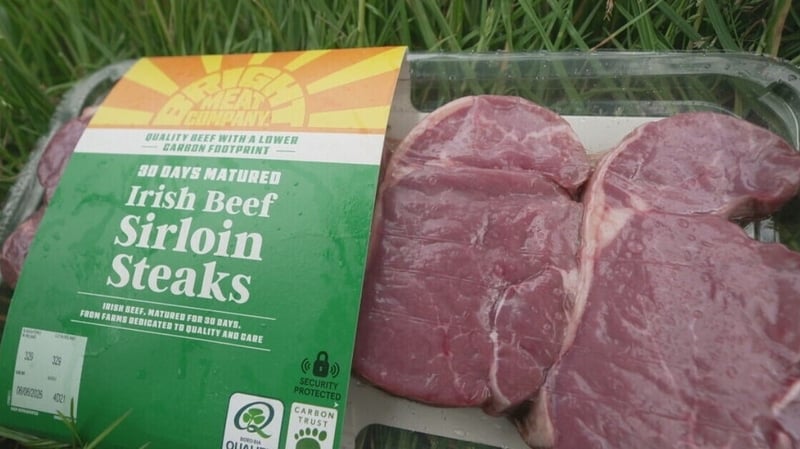

Tesco and Kepak have teamed up to launch what is described as a 'lower-carbon' beef range, which has a carbon footprint that research suggests is up to 23% lower than other equivalent beef products.
The reduction is achieved by changes to nutrition, genetics, animal health, grassland management and cattle selection.
The findings have been verified by the Carbon Trust, an independent environmental group in the UK.
The beef is produced for and supplied to Tesco by the Irish Twenty20 producer group - a network of sustainability-focused farmers who supply cattle through Kepak and Tirlán's integrated beef supply chain.
Specialists from the group work with over 600 farmers to help them improve things like genetics, animal nutrition, carbon sequestration, as well as with initiatives such as reseeding for clover.
The cattle are then ready to be slaughtered earlier, due to efficiencies created by these measures.
The cattle also spend most of their lives on the farm.
These factors contribute to reducing the carbon footprint of the beef by up 23%, according to the research from the Twenty20 producer group.
The lower-carbon beef is sold in supermarkets under the 'Bright Meat Company' brand, a partnership between Tesco and Kepak.
We need your consent to load this rte-player contentWe use rte-player to manage extra content that can set cookies on your device and collect data about your activity. Please review their details and accept them to load the content.Manage Preferences
More efficiency, fewer emissions
One of the farmers involved in rearing his herd in this way is DJ Kealy, who has around 100 dairy and beef cows on his farm just outside Ballylynan in Co Laois.
"When we're breeding for our beef animals, we like to use bulls that have a higher CBV (commercial beef value)," Mr Kealy says.
"These animals have a better feed efficiency. When you're bringing them through to slaughter, they're going to be finished at a younger age and have a lower carbon footprint than animals with a lower CBV."
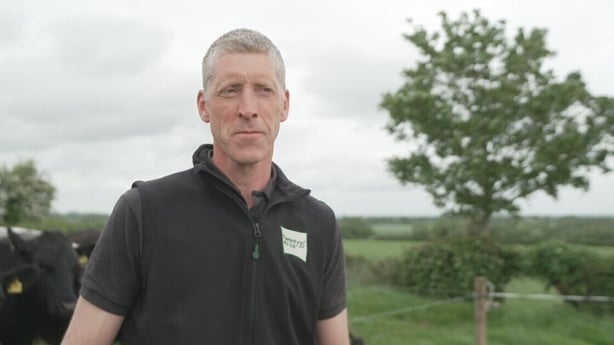
The Laois farmer said that before he joined the Twenty20 producer group beef cattle on his farm would have "been here probably maybe another two or three months and would have been finished slower.
"We would have been getting them up to higher weights and maybe weights that weren't what the market wanted.
"The shorter time the cattle are here, the less of a carbon footprint they are leaving behind them."
The lower-carbon beef range in Tesco is typically more expensive than beef produced using standard methods, but cheaper than organic beef products.
Tesco Ireland and Northern Ireland CEO Geoff Byrne said the new range is in response to consumer demand and that the retailer is "committed to collaborating with farmers, supply chain partners, and independent experts to support more sustainable food choices as we work towards our ambition to be net zero across the value chain by 2050".
Kepak CEO Brian Tormey said the independent certification from the Carbon Trust "is an important milestone for Kepak and reflects the work being done across our business and supply chain to build a more sustainable and resilient beef production model".
Overall emissions matter most
Climatologist and Emeritus Professor at Maynooth University John Sweeney said "environmentalists have for long been rather suspicious of certification schemes of this kind" but said "we have to have some praise" for the lower-carbon initiative from Tesco and Kepak "because it does appear to be tackling the problem of agricultural emissions."
He added: "It must be said it's primarily a marketing tool to enable the companies concerned to increase their profitability with environmentally conscious consumers. Despite that I think we have to acknowledge that some of the companies, especially Kepak, have been doing quite well in recent years in terms of reducing their emissions.
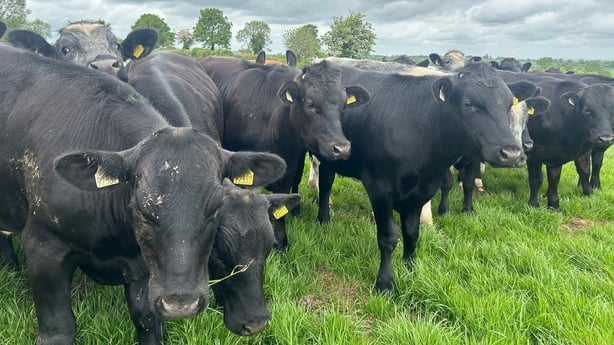
"Carbon footprints though overall are not recognised by the atmosphere; what the atmosphere recognises is emissions, and what matters with carbon footprints is not the efficiency, but how many footprints there are.
"If you're trying to reduce agricultural emissions in Ireland by 25%, which is what we have to do within four years, then the only feasible way of doing that is to diversify agriculture and reduce the number of footprints - the number of cattle which are adding to our emissions total."