
Irish project and cost management firm GagaMuller is to create 70 new roles over the next year.
The new jobs are part of a €2m expansion plan by the business, which has also established a new headquarters in Dublin city centre.
GagaMuller was established in 2018 and today has operations in Finland, the UK and the US.
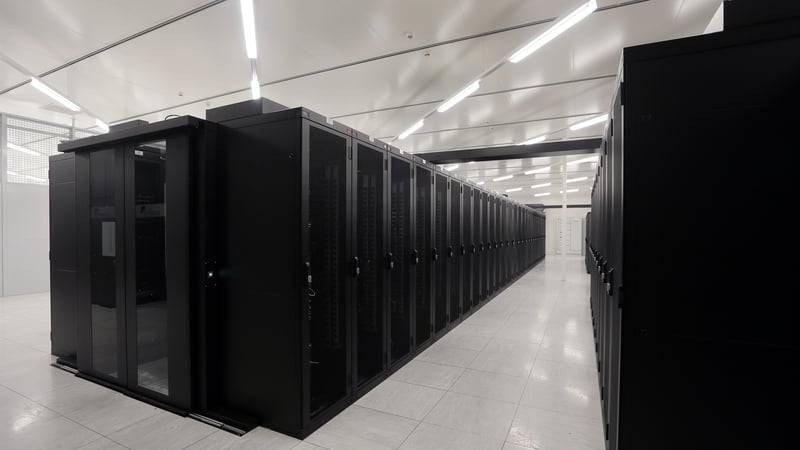
It largely specialises in the construction of data centres and includes AWS, Microsoft, Meta and Google among its list of partners.
"We work with hyperscalers and data center developers to manage their processes and manage their projects," said Timmy Falvey, managing director at GagaMuller.
"From site selection through to construction into commissioning and then into ultimately operations of the facilities," he said.
"This growth has been driven by repeat business with our clients and we're working off an 82% repeat business ratio, which is a stat we're really proud of," he added.
Large tech companies have committed huge sums of money into artificial intelligence - most of which is going towards the building of data centres to power the technology.
Mr Falvey said their investment and expansion plans aim to ensure the company can keep up with this growing demand.
We need your consent to load this rte-player contentWe use rte-player to manage extra content that can set cookies on your device and collect data about your activity. Please review their details and accept them to load the content.Manage Preferences
"We knew that there was growth coming pre-AI," he said. "We're now ramping up to match that acceleration, that growth, working with key clients to expand into new territories and to offer them the services that we've been offering over the last number of years."
He said that while there was always a risk of an investment bubble - and the potential for the level of activity in the area to fall - he was also confident that demand for new data centres would continue.
"Whatever may burst, it's never going to go, we will always need it," Mr Falvey said. "We're never going to go back to the stone age."
However he said the company was also looking to expand its work beyond data centres - into other large construction projects including energy and transporation.
"Digital infrastructure is always going to be required to be there," he said. "And for us, it's about diversifying into other major infrastructure industries as well."
The pipeline of new data centres had slowed in Ireland in recent years due to a moratorium on grid connections. However late last year the Commission for the Regulation of Utilities set out new requirements on data centre builds designed to open the door to new applications.
Mr Falvey said his company welcomed this, and it helped to give clarity to international investors.
"The Large Energy Action User Plan has changed the conversation in Ireland," he said. "It's changed it from 'should we build data centres?' to 'how do we power data centres?', 'how do we use the investment in data centres to grow our renewable energy industry?'.
"That's a positive sign. That signals to the global investors that Ireland's moving in the right direction to deliver this critical infrastructure," he said.