
Jeffrey Epstein's name became synonymous with one thing - the sexual exploitation of young women and girls. But the files he left behind are revealing something broader: a hidden world of powerful men and some women who appear to have operated as though the rules simply did not apply to them.
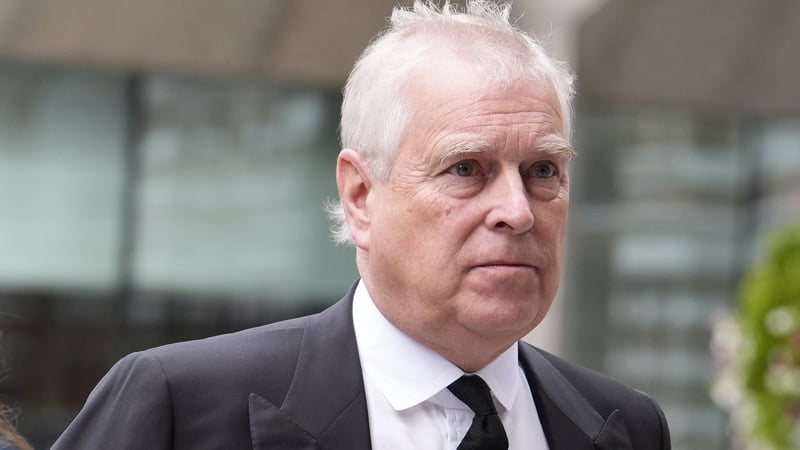
Today’s case is about Jeffrey Epstein. But it is not about sex trafficking. It is about misconduct in public office - a charge relating to Andrew Mountbatten-Windsor’s time as a British trade envoy.
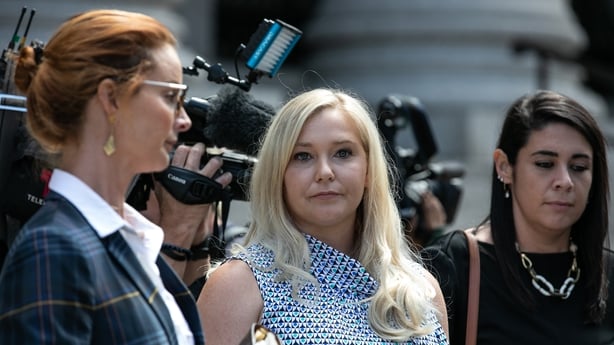
Those allegations were appalling. But they remained in the civil domain. Only prosecutors can bring criminal charges, and neither US nor British authorities ever charged the former prince Andrew criminally in connection with them.
He settled with Ms Giuffre in 2022 for a reported £13 million, denying all wrongdoing.
The trade envoy allegations are, in one sense, legally consequential in a way the Giuffre allegations never were - because they are potentially criminal.
Andrew Mountbatten-Windsor wasn’t just a friend of Epstein. He was apparently using that friendship while representing the British state.
His unceremonious arrest on his 66th birthday follows a complaint by Republic, the anti-monarchy campaign group, calling on police to investigate documents from the latest Epstein files release last month.
Those documents indicated that the former prince Andrew shared confidential government information with Epstein during his time as a British trade envoy.
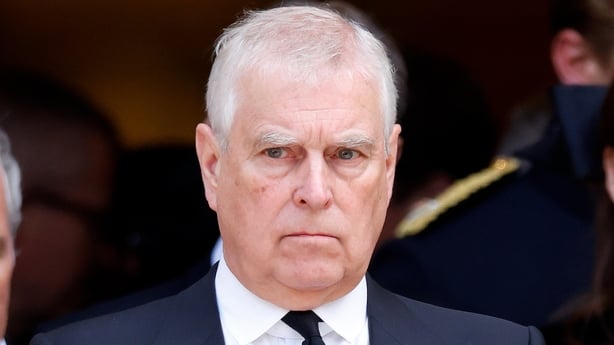
Specifically, emails among the millions of documents released by the US Justice Department appear to show him passing on confidential reports on his visits as an official trade envoy to Singapore, Hong Kong and Vietnam, including details of investment opportunities.
One email thread shows that, on 30 November 2010, he forwarded official reports from his then-special adviser, Amit Patel, to Epstein - minutes after receiving them.
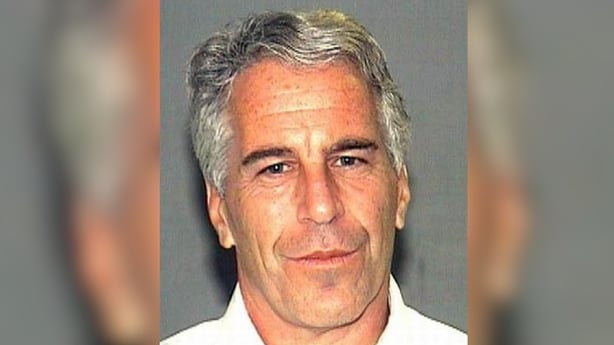
Another exchange appears to show him sharing files he himself described as "a confidential brief" on potential investment opportunities in southern Afghanistan, where British forces were based at the time.
Thames Valley Police previously said they were assessing a complaint over the alleged sharing of confidential material by the former prince to Epstein.
According to the Crown Prosecution Service, the offence of misconduct in public office "concerns serious wilful abuse or neglect of the power or responsibilities of the public office held".
The maximum sentence is life imprisonment. He can be held for up to 24 hours before being charged or released - or up to 96 hours if suspected of a serious crime.
If it ever comes to prosecution - and that is a big if - the central question will be whether he wilfully abused the public’s trust in that role.
His defence, almost certainly, will be that trade envoys operate with wide discretionary latitude. There are few hard rules about what constitutes a breach of confidentiality in such roles - and members of the royal family have long operated in a space where accountability is assumed, but rarely, if ever, enforced.
The question for prosecutors will be whether that discretion has limits and whether sharing confidential government material with a convicted sex offender crosses them.
For King Charles and a royal family that has spent years trying to draw a line under this scandal, today will feel like the line keeps moving.
The King has already stripped Mr Mountbatten-Windsor of his titles, his home, his role.
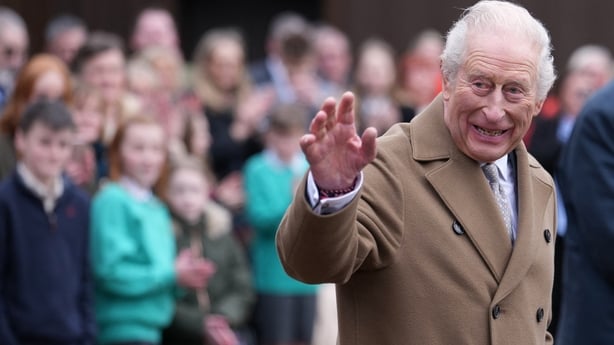
This morning, he issued a brief personal statement - signed "Charles R" and notably not routed through the usual Buckingham Palace machinery, which expressed his "deepest concern" and declared that "the law must take its course". It was a deliberate signal of personal distancing.
And it still wasn't enough.
Hours after this morning’s arrest, the King stepped out for a public engagement in central London - and was met with shouts about his brother’s arrest. He did not respond.
The heckles will continue. In recent weeks, Prince William has been criticised for failing to address the matter in interviews. The standard royal playbook of dignified silence is failing in real time.
The only short-term reprieve is that this is now a police matter - one the royal family can legitimately decline to discuss. But that will only last for so long. And the questions will keep coming.
Read more
What are the Epstein files?
Key events as Andrew's relationship with Epstein unfolded