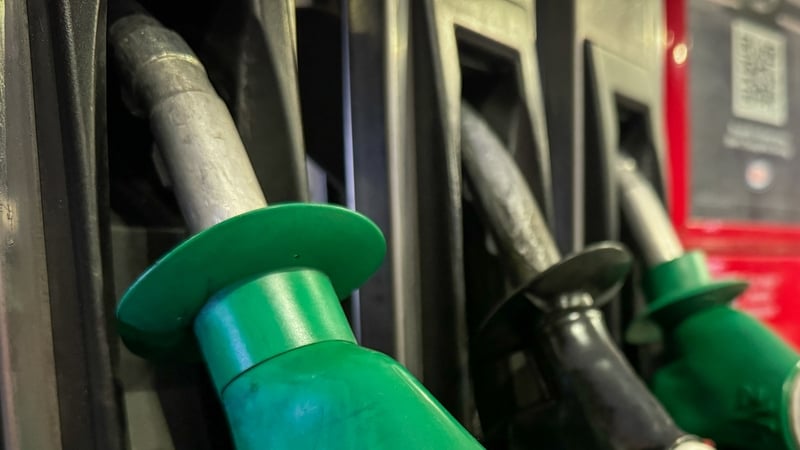

Since midnight, the fresh fuel excise cuts announced last weekend have been in effect.
The measures follow a first round of excise cuts that came into effect last month.
How much are prices falling by?
The latest reductions see the excise duty on a litre of diesel dropping by 10 cent from today, bringing the total tax reduction on diesel since March to 32 cent a litre.
Taxes on petrol are also falling by 10 cent a litre from today, with the overall reduction on petrol since March coming to 27 cent a litre.
How quickly will prices on forecourts drop?
The measures kicked in at midnight, so any fuel leaving a depot headed for a forecourt since then has been subject to the lower taxes.
But many service stations might still be selling existing stock, on which they would have paid a higher excise rate.
So, motorists will not be paying cheaper fuel prices at some pumps until old supplies wash through.
According to Fuels for Ireland, in recent days the industry has been operating under "disrupted conditions" and as a result of this, "some of the fuel arriving at sites in the immediate aftermath of the change will still have left facilities at the old excise rate".
The industry body said the reduction is coming through, but there will be a "lag as lower-duty fuel works its way through the system.
"Some sites may update quickly, while for others it may take 48 to 72 hours, with the overwhelming majority expected to reflect the lower rate by the weekend."
How much should motorists expect to pay for diesel and petrol with the latest excise cuts?
The latest fuel-price survey from AA Ireland suggests diesel prices so far in April have been averaging €2.14 per litre, with petrol averaging €1.91 per litre.
But it is important to bear in mind that these are average prices, and at some service stations, diesel is costing closer to €2.20 per litre, with petrol costing around €1.95 per litre in certain locations.
The 10 cent drop in excise duty should bring average diesel prices back to around €2.04 per litre, and petrol back to €1.81 per litre.
But since the Government announced the latest fuel tax cuts at the weekend, the price of oil has risen, which will have a knock-on effect on pump prices.
Fuels for Ireland is warning that this may reduce "some of the visible impact at the pump in the short term.
"As an example, wholesale diesel prices have increased by approximately five cent per litre since the excise announcement. When VAT is applied, this equates to over six cent per litre at retail," the organisation said.
However, at the weekend the price of a barrel of Brent crude oil was over $100 (€84), but now it is back down to around $95.
So once this fall feeds into wholesale prices, this should be reflected in lower pump prices.
Though prices are still volatile, so could easily shift one way or the other again, depending on what oil prices are doing.
How much have fuel prices risen since the Iran war started?
According to AA Ireland, both diesel and petrol prices in February were averaging around €1.72 per litre.
But since then, the price of a barrel of oil has risen dramatically from around $70, spiking at almost $120 and is now around $95.
This has had a considerable knock-on effect on pump prices.
And even with the latest Government excise cuts in effect, diesel is still at least 30 cent a litre more expensive than it was just six weeks ago.
The price-hike comparison for petrol should be less pronounced, but petrol is around 10 cent more expensive per litre today than before the war started.