


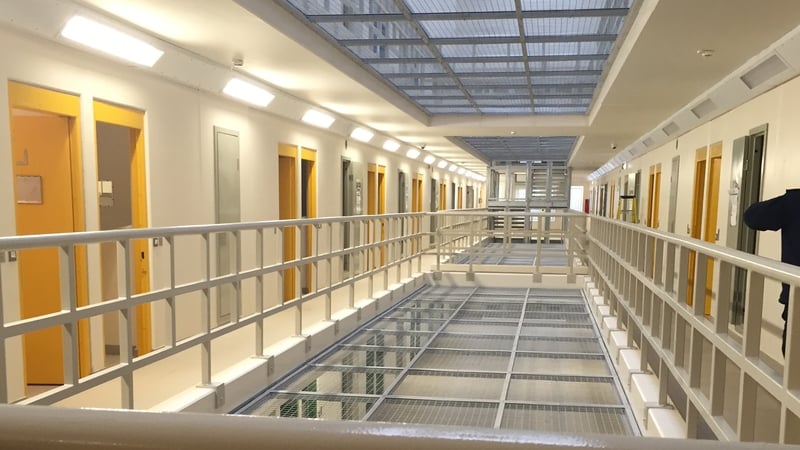
The Prison Officers Association has accused the prison service of rewarding bad behaviour by inmates in the country's jails.
The Association said attacks by inmates on officers are not being properly investigated and large sums of money are being spent on luxuries and rehabilitative facilities for inmates.
At their annual conference, prison officers said inmates are being allowed luxuries such as fish tanks in their cells and that in the Midlands Prison, a special garden is being built for one of the most violent inmates at a cost of over €100,000.
However the Prison Service has disputed this figure saying there is a horticultural project in place in the prison but the cost is only €30,000.
Director General of the Prison Service Michael Donnellan said the garden was one of a number of horticultural projects in many prisons where prisoners can give something back by growing seeds and plants for tidy towns and local communities.
He said it was not a reward for bad behaviour but has proven really effective for inmates - including some who haven't touched grass in over 20 years.
The Prison Officers Association is seeking a meeting with Garda Commissioner Nóirín O'Sullivan over attacks on officers by inmates which it said are not being properly investigated.
The Association said officers are not happy with the way gardaí investigate assaults against them by inmates because they said very few of these cases end up in court and a conviction.
The Association also said prison officers are continually subject to vexatious complaints with no form of redresss.
However Mr Donnellan said all prison assaults, whether on inmates or prison officers, were crimes and the gardaí take them very seriously.
The Prison Service also rejected claims that criminal gangs are being appeased in the country's jails.
Mr Donnellan also said there were 12 major criminal gangs in seven prisons - a total of around 70 people but there was no appeasement with them and the Prison Service was "on top of them".
He said they would not be isolated because this would ghettoise them, cause a break down in relationships and create no-go areas.
