


Bahrain's highest court has upheld jail terms issued against nine medics convicted for their role in last year's pro-democracy uprising.
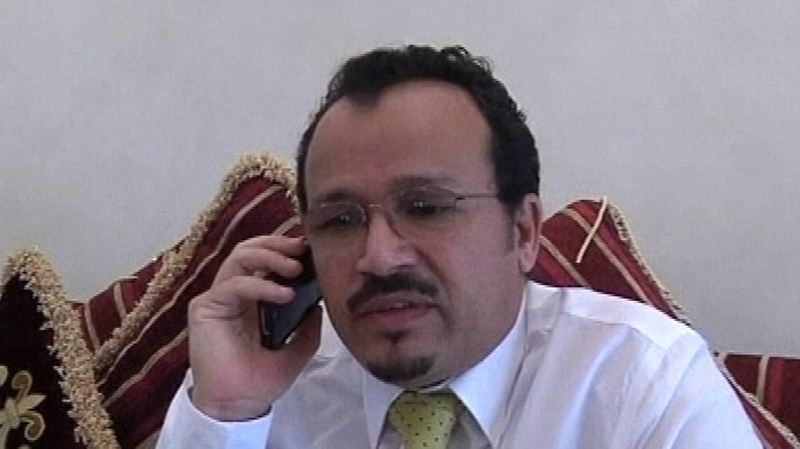
One of the doctors was Irish trained medic Dr Ali al-Ekry who was sentenced to five years and was taken into custody this morning.
Mr Ekry, a senior orthopaedic surgeon at Salmaniya was charged with inciting hatred and calling for the overthrow of Bahrain's rulers.
He said the ruling might be politically motivated.
Mr Ekry said, "we did not get a fair trial...We think we are a card being used by the regime to negotiate with the opposition."
The controversial case has drawn international criticism of the Gulf Arab kingdom.
Bahrain has been in turmoil since the protests led by its Shia Muslim majority were crushed by the Sunni rulers.
Bahrain accuses Iran of encouraging the unrest and has promised a tough response to violent protests as talks with the opposition have stalled.
Bahrain's attorney general Abdul-Rahman al-Sayed said that the court rejected all appeals presented by the defendants.
The court confirmed the previous rulings of prison terms ranging between one month to five years.
In June, the appeals court sentenced Ali al-Ekry, former senior surgeon at the Salmaniya hospital in Manama, to five years in jail.
The court gave eight others prison sentences ranging from one month to three years.
It also acquitted nine others.
Two medics previously sentenced to 15 years each did not appeal and they are believed to be in hiding or to have left the country.
The doctors were released last year after an outcry over allegations of torture during detention.
Head of Bahrain's Youth Society for Human Rights, Mohammed al-Maskati, said that today's verdict was final with no recourse for further appeal but there might be still a chance for a pardon by the king.
World reaction
The doctors and nurses, who are all Shias, say they were victimised for treating protesters and helping bring world attention to deaths caused by security forces.
Washington and rights groups have criticised the June ruling, with Amnesty International saying it was a "dark day for justice".
The verdicts follow an earlier trial at a military court in September, 2011 which sentenced 20 medics to prison terms of between five and 15 years on charges including theft of medical equipment, occupying a hospital and incitement to topple the state.
The Sunni Al Khalifa family used martial law and help of Saudi-led Gulf troops, to put down last year's uprising.
Thousands were arrested and military trials were instituted during the martial law period.
Protesters and police clash almost daily.
The Shia opposition wants a constitutional monarchy and a more equitable political system that would allow them to have greater representation, ending decades-old discrimination against them in jobs including the army and security forces.
