


Japan has suspended cattle shipments from Fukushima prefecture on fears of radiation-tainted beef in the country's meat distribution chain.
Tokyo told Fukushima Governor Yuhei Sato to 'halt shipments of all cattle in Fukushima to meat-packing factories' until the safety of the meat can be confirmed, chief government spokesman Yukio Edano told reporters.
The move comes four months after a nuclear accident in the region.
Around 650 beef cattle, including more than 500 from Fukushima alone, are thought to have been contaminated with radioactive caesium from hay they were fed before being sent to meat processing facilities across Japan since late March.
Beef from the cattle was shipped to most of Japan's 47 prefectures and some of the meat is thought to have already been consumed.
Prime Minister Naoto Kan today apologised before parliament for the issue.
'I feel the responsibility for not being able to prevent this from happening and I am very sorry,' he said.
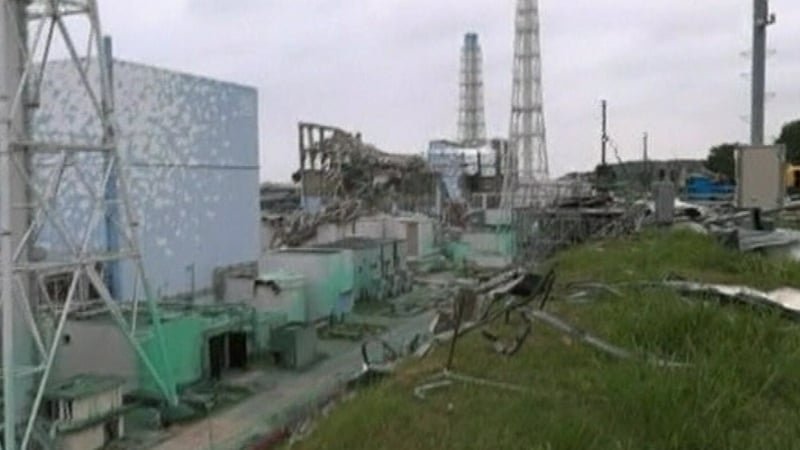
Hay stored outside is thought to have been contaminated by radioactive materials spewed by the Fukushima Daiichi nuclear plant in the weeks after it was hit by reactor meltdowns following the 11 March earthquake and tsunami.
In the latest food scare associated with the disaster, cows from farms outside the 20km Fukushima nuclear no-go zone were found to have eaten contaminated hay, raising fears that fallout reached a wider area than thought.
Yesterday, Fukushima officials said they detected up to 157,000 becquerels of radioactive caesium per kg in straw used at some farms - about 520 times the government-designated limit.
The government has sought to reassure the public that there is no immediate health threat from eating standard quantities of the beef.
The accident at the Fukushima Daiichi plant happened after the March disasters crippled cooling systems, sparking reactor meltdowns and the release of radiation into the air, sea and soil.
Tens of thousands remain evacuated from homes, businesses and farms inside the no-go area, and embattled plant operator Tokyo Electric Power Co faces massive compensation costs.
Japan has not set up a centralised system to check vegetables and meat for radiation, relying instead on testing carried out by local authorities.
