


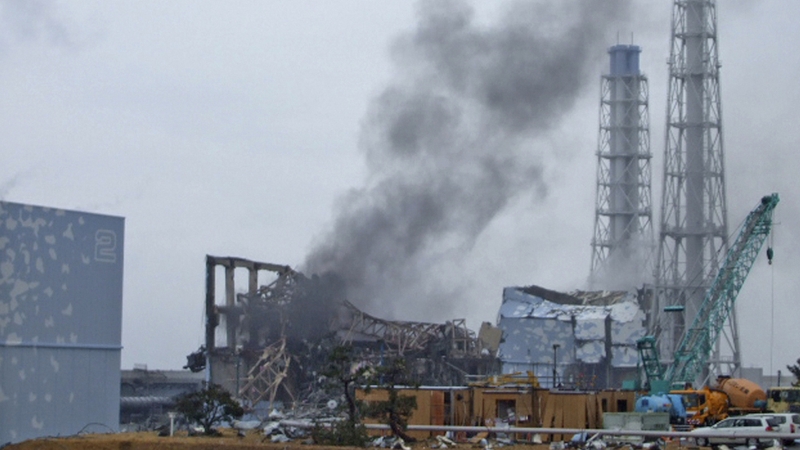
Japan has banned people from going within 20km of the tsunami-hit Fukushima nuclear plant, which has been leaking radiation.
The ban, which gives legal weight to an existing voluntary exclusion zone, comes after police found more than 60 families living in the area and residents returning to their abandoned homes to collect belongings.
Prime Minister Naoto Kan announced the no-entry area on a visit to Fukushima prefecture, where thousands now live in evacuation shelters, almost six weeks after the 11 March quake and tsunami.
The nuclear plant, where reactor cooling systems were knocked out, has been hit by a series of explosions and leaked radiation into the air, ground and sea in the world's worst nuclear disaster since Chernobyl 25 years ago.
More than 85,000 people have moved to shelters from areas around the plant, including from a wider 30km zone, where people were first told to stay indoors and later urged to leave, according to data from the prefecture.
‘The plant has not been stable,’ Mr Kan's right-hand man, top government spokesman Yukio Edano, said at a Tokyo news conference.
‘We have been asking residents not to enter the area as there is a huge risk to their safety.’
The ban can be enforced with detentions or 100,000 yen fines.
One member of each household within the 20km no-entry area will be allowed to make a two-hour return visit to their home to pick up personal belongings, wearing protective suits and dosimeters.
The trips on buses will start within days and run for one or two months, but exclude areas within 3km of the crippled Fukushima Daiichi plant, where the radiation risk is deemed too high.
‘They are advised to keep the belongings they take out to a minimum,’ said Mr Edano, the chief cabinet secretary, adding that all visitors to the no-go area would be screened afterwards for radiation exposure.
There are 27,000 households within the 20km zone, said broadcaster NHK.
The residents are likely to have to stay away for some time, after plant operator Tokyo Electric Power Company said that it did not expect a ‘cold shutdown’ of all six reactors for another six to nine months.
