


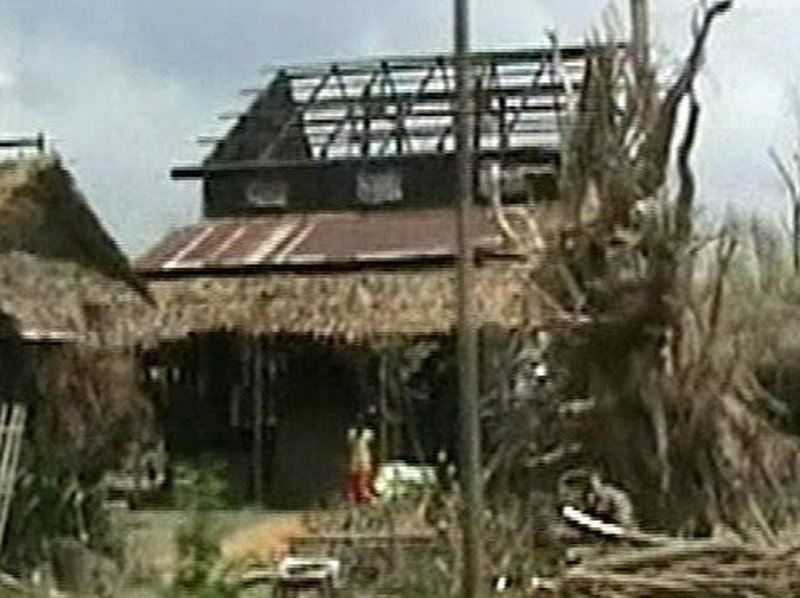
Burma has lowered its flags to begin three days of mourning for around 133,000 people dead or missing following cyclone Nargis 18 days ago.
It comes as Southeast Asia sets to work coordinating a much-needed relief effort.
There was no minute of silence for the victims or a public ceremony, as pressure mounted on the regime to scale up the relief effort for 2m survivors in desperate need of food, shelter and medicine.
Burma, which is also known as Myanmar, agreed at regional talks in Singapore yesterday to allow the Association of Southeast Asian Nations to coordinate an international relief effort, after resisting repeated foreign bids to deliver aid to hard-hit areas.
Despite the compromise with ASEAN, the regime has yet to soften its refusal to allow in foreign aid workers in the numbers needed to reach the survivors, even in the face of warnings that people could die without help.
The ruling generals are mistrustful of Western influence and have provoked international outcry since the disaster hit by limiting the flow of foreign supplies to survivors.
Pressure has, however, been mounting on the generals from all sides to find a way to allow the aid into the hardest-hit southern Irrawaddy Delta.
Top UN aid official John Holmes was allowed yesterday to glimpse how desperate the situation has become, as he toured part of the delta, where entire villages were washed away.
UN Secretary General Ban Ki-moon, who had earlier failed to get junta head Than Shwe to take his phone calls, was set to visit the hardest-hit regions of Burma on Thursday ahead of weekend fund-raising talk in Rangoon.
Than Shwe spent a second consecutive day yesterday touring the disaster zone, state television reported. Until Sunday, the senior general had not made a public appearance or remark about the disaster.
