

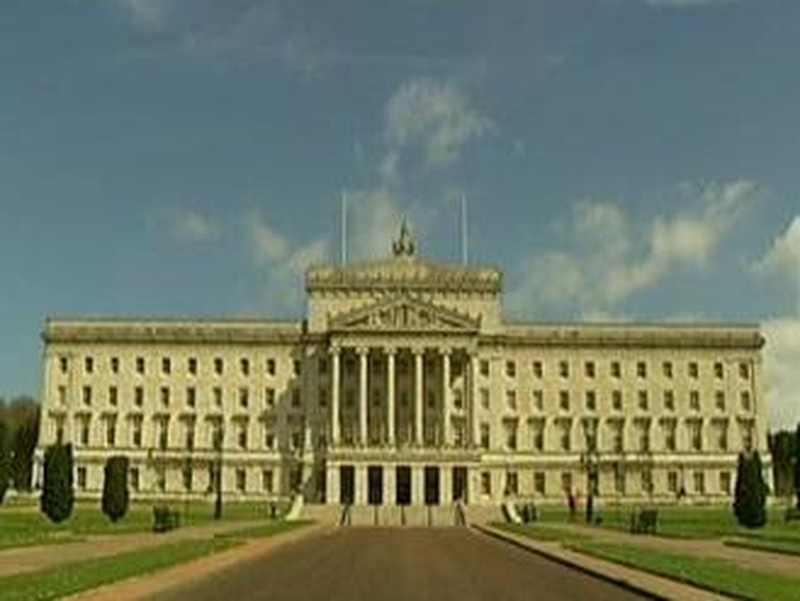
Northern Ireland's new power sharing administration has presented its first programme for Government.
The administration, led by Ian Paisley and Martin McGuinness, is pledging to reduce the public sector and switch the emphasis to creating a more dynamic private sector.
It hopes to create 6,500 more private sector jobs over the next four years and is also promising to invest 25% more in infrastructure over the next three years than the direct rule regime did in the last three years.
In what is likely to be a popular move, the Executive plans to extend free travel to all those over 60 from next year.
It is also promising major works at more than 100 schools, including eight special schools, before 2011.
Finance Minister Peter Robinson will propose to sell-off assets, including land and buildings, to help fund the spending programme.
The Executive is also a setting a target of reducing the number of road deaths by 33% by 2012.
It promises to pursue what it calls mutually beneficial and practical co-operation with the British and Irish governments and other administrations.
As he outlined the goals the Executive had set itself, First Minister Ian Paisley claimed it was a momentous day for the new administration at Stormont.
'The government of Northern Ireland is now in the hands of local politicians - politicians elected by the people here as their representatives, politicians who were themselves born and brought up here and who know and understand the concerns of our people, politicians who have a long-term interest in the province and its people and our constituents,' he said.
'Our destiny is now in our own hands.'
