


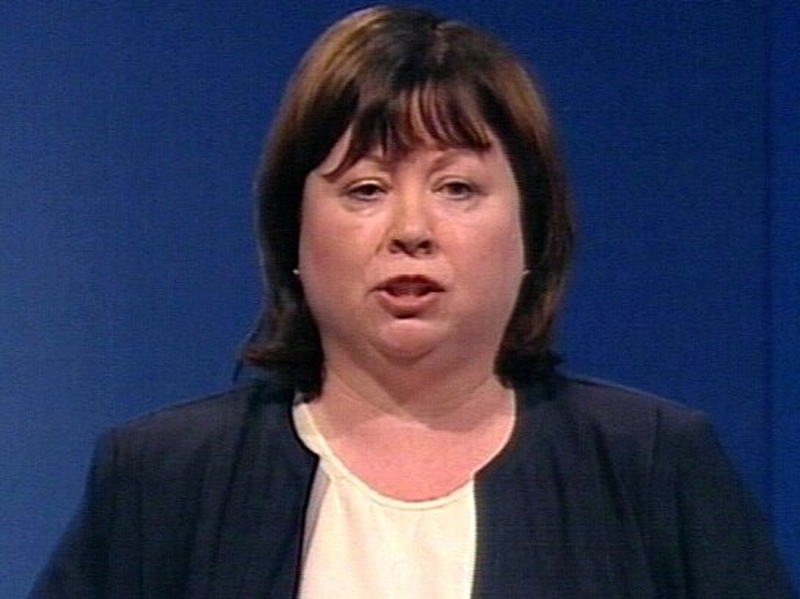
The Health Minister Mary Harney has welcomed the Quinn Group's decision to go ahead with its takeover of BUPA Ireland.
There was doubt over the group's entry to the Irish market, after the Dáil passed emergency legislation last night closing a loophole that would have saved the company tens of millions of euro.
Quinn confirmed their decision to purchase BUPA today, even though they have reacted angrily to the steps taken to protect risk equalisation payments to the VHI.
The announcement by Sean Quinn's group secures the future of 300 jobs in Fermoy and ensures almost 500,000 policy holders can remain BUPA customers.
The Labour Party has said the risk equalisation and community rating principles must be maintained into the future.
Commenting on the statement by Sean Quinn, Labour Spokesperson on Health Liz McManus said the statement had raised a lot of issues about the health insurance market here.
But community rating and risk equalisation are invaluable to protecting subscribers she said, and must be maintained.
Deputy McManus said she was pleased that the Quinn Group had decided to proceed with its takeover, and added that she was relieved that the jobs of the BUPA workers in Fermoy were secure.
She said the Government must now fulfill its commitment in the Programme for Government to take steps to level the playing pitch between various insurers and increase competition in the market.
President signs Act into law
President Mary McAleese has signed into law emergency legislation dealing with the health insurance market.
The measure is designed to close a loophole that allows new health insurers a three-year break before they start making risk equalisation payments.
The Minister for Health, Mary Harney, has said she hopes the Quinn Group takeover of BUPA Ireland goes ahead despite the new legislation.
Following the Government move, Fine Gael's Health Spokesperson Liam Twomey expressed concern that the move could kill off competition in the market.
Speaking on RTÉ Radio's Morning Ireland, Ms Harney rejected this claim, and said she was determined to reform the health insurance market.
The Chief Executive of Vhi Healthcare, Vincent Sheridan, said he did not know about last night's move in advance, but was not surprised.
Asked about the effect on Vhi customers, Mr Sheridan said the money coming from risk equalisation this year from BUPA Ireland and VIVAS Health was 'quite small', and that it would 'slow down the rate of increase' in Vhi's premiums.
A spokesman for the Quinn Group said it had noted the development and was reviewing its options at this stage.
VIVAS Health told RTÉ News that it had no immediate plans to exploit a legal loophole, although it had been examining the issue so it could compete on a level playing field.
Labour warning
In the Dáil, Labour's Liz McManus warned of the risks associated with rushing laws through, and said that the legislation was certain to be challenged in the courts.
The law passed by the Dáil and Seanad last night aims to protect risk equalisation, which is designed to ensure a fair health insurance market.
Risk equalisation requires other insurers to make payments to Vhi Healthcare to compensate it for its higher proportion of older customers.
It is designed to keep insurance affordable for the elderly, while allowing competition in the market.
But new entrants do not have to make the payments for three years. It appears the loophole was discovered when the Quinn Group said it was going to buy BUPA's health insurance business, but that it would demand the exemption as a new entrant.
Fearing other companies would attempt to do the same and therefore never pay risk equalisation, the Government introduced emergency legislation to remove the exemption and to ensure BUPA cannot abandon liabilities by leaving the market.
Ms Harney said the legislation had to be rushed through not because of the Quinn Group, which is yet to be licensed by the Financial Services Regulator, but because of the possibility that the other health insurer, VIVAS Health, might seek a new financial partner and therefore an exemption from risk equalisation.
