



As summer approaches, many of us look forward to longer days and warm evenings spent outdoors. But while rising temperatures are welcome during the day, they can become far less appealing at night when it’s time to sleep.
If you’re concerned about how the warmer weather might affect your rest this summer, you’re certainly not alone.
"During warm weather, it’s common for people to have problems with falling asleep at the beginning of the night," says Dr David Garley, director at The Better Sleep Clinic. "Tossing and turning in bed and trying to manage your temperature is something that’s quite universally experienced."

High temperatures and increased humidity can disrupt the body’s natural cooling process, which helps you fall asleep, he explains.
"When you move from the wake phase to the sleep phase of your circadian rhythm, it’s associated with a drop in your core body temperature of about one and a half degrees Celsius," says Garley. "This is why, when you are too hot, you can really struggle to make that transition into sleep.
"In addition, if you’re very warm, you can end up with more substantial awakenings between sleep cycles."
The effects of a hot, restless night often linger well into the next day.
"Some people experience excessive sleepiness the following day, while others notice difficulties with functions that sleep supports, such as focus, concentration and memory," says Garley.
"Mood can also be affected, and many people find themselves feeling more irritable after a poor night’s sleep."
However, with a few simple adjustments, we can better prepare for these sweatier conditions and hopefully reduce these negative effects.
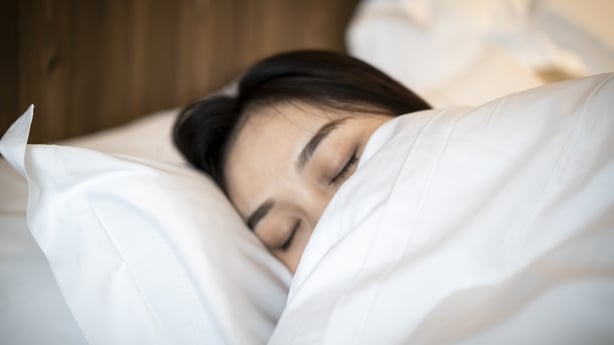
Here are six changes you can make now to improve your sleep during periods of warmer weather…
1. Draw the curtains
"The first thing that you can try and do is cool your environment down, and that really needs to start earlier in the day," advises Garley.
"I would recommend keeping the curtains drawn so your house heats up less throughout the day."
2. Have a fan on standby
Bring your fan down from the attic, so you are prepared for any hot spells.
"A fan can really help cool your bedroom down," says Garley. "You don’t necessarily want it blowing directly onto your body, because then you might end up too cold, but just put it somewhere in the room so you get a bit of air circulation going. "
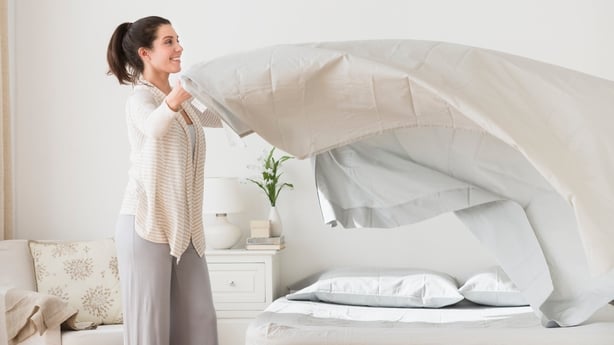
3. Get a summer duvet
As the seasons shift from spring to summer, it might be a good time to switch up your bedding.
"It can be helpful to think about the thickness of your bedding materials. A lot of people have a lighter duvet in the summer, for example, " says Garley. "There are some materials that could help keep heat away from the body, but be mindful that a lot of bedding companies tend to over-promise the cooling ability of bedding."
4. Think about thin layers
Using light layers can be a good strategy for sleeping in a heatwave.
"Sometimes layers is the answer," says Garley. "If you wake up in the night and you are too warm, changing and removing layers can help you control your temperature."
5. Push your bedtime back
"Pushing your bedtime back a bit by getting into bed even an hour later will mean that you are more likely to have a higher drive for sleep, which means you’re more likely to fall asleep quicker and stay asleep overnight," says Garley. "Also, it’s probably going to be a bit cooler later on in the night."

6. Try not to stress
Stressing about sleep can be counterintuitive.
"After a few nights of bad sleep in a heatwave, people often start to get very worried about their sleep," recognises Garley. "But the more you worry about sleep, and the more you think about it, the less likely it is to happen."
Garley recommends cooling yourself down mentally, as well as physically.
"You have to cool the temperature down, but you also need to cool your mind down and try to not get too worked up about it," says Garley. "As humans, we are built with resilience to manage with a few nights of poor sleep, so just trust in your ability to get by if there is some disruption."
