




Journalist Anja Zauers explores how tapping into your inner child can spark joy and deplete stress.
I've long been a supporter of tapping into my inner child. Unfortunately, like most adults, I tend to lose touch with that side of myself in the day-to-day grind.
Most recently, it was a trip to Japan that brought it all rushing back.
From collecting capsule toys and Sylvanian Families to purchasing my very own Tamagotchi (I have no regrets, by the way), I fully embraced that playful side of myself, and honestly, it was needed.

As adults, we get caught up in routine and the seriousness of life. Work, bills, pressure, and stress slowly begin to pile up. Add anxiety and burnout into the mix, and suddenly, doing something purely because it brings you joy can start to feel almost childish or even unproductive.
But that’s exactly why we need it.
"Over time, we’re rewarded for being productive, responsible, and in control. Play doesn’t really fit into that," explains Laura Turley, psychotherapist (MA, MIACP) and founder of Mindology Wellness Centre.
However, simply engaging in it can be hugely beneficial to our overall well-being.
"Play softens the brain," she notes. "It boosts dopamine, which lifts motivation and enjoyment, while calming the part of the brain that’s scanning for stress or threat. That’s why things feel lighter and easier. The brain becomes more open, more creative, and more connected."

By allowing our brains to simply switch off for a while, we're giving ourselves a much-needed reset. Because even when we don't realise it, we’re constantly thinking, planning and problem-solving in the background. "Play and creativity interrupt that pattern," Laura notes.
"Nostalgia can bring a sense of comfort and connection, which protects against burnout. It’s less about escaping life and more about giving your system a break from holding everything together."
It’s not just in our heads either. By embracing our inner child, we’re actually supporting our long-term mental wellbeing. Sure, you feel the benefits in the moment, but they can build over time, too.
"When play becomes part of life, the brain gets used to accessing enjoyment in small, everyday moments, not just big wins. That creates more stability in mood and more resilience when things feel stressful. It’s subtle, but it adds up," Laura shares.

Connecting with your inner child will look different for everyone. Maybe it's listening to music from your younger years, playing your favourite video game, or getting a group of friends together for your very own sports day.
It doesn't have to be anything big. Start small and see what brings you joy.
"Do something just because you feel like it, not because it’s useful or productive," Laura adds. "Music, cooking, moving, laughing, even being a bit silly. The important part is letting yourself enjoy it without analysing it. If it feels a little pointless, that’s often exactly what’s needed."
At first, it might feel a little childish - but that's the point! Lean into it. If someone tries to dismiss your play as trivial, let them. In reality, they're the ones missing out on the mental benefits.
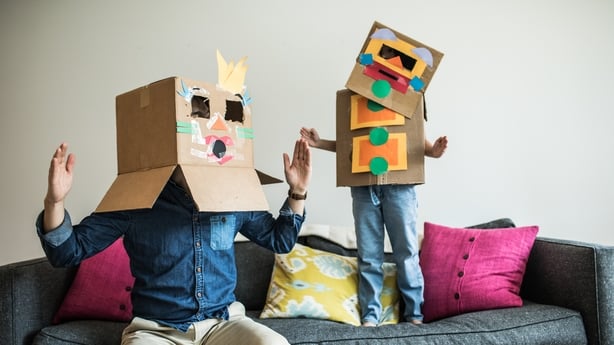
While it might not look like you're doing anything important, there’s actually a whole lot happening beneath the surface. As Laura points out, not only does embracing play help regulate stress and loosen rigid thinking, it also brings a bit of lightness back in.
So at a time when stress and burnout are on the rise, let's try to be a little kinder to both our bodies and minds.
No, embracing your inner child won’t magically fix everything, but it might make life feel a little lighter. And these days, that matters more than ever.
The views expressed here are those of the author and do not represent or reflect the views of RTÉ
