


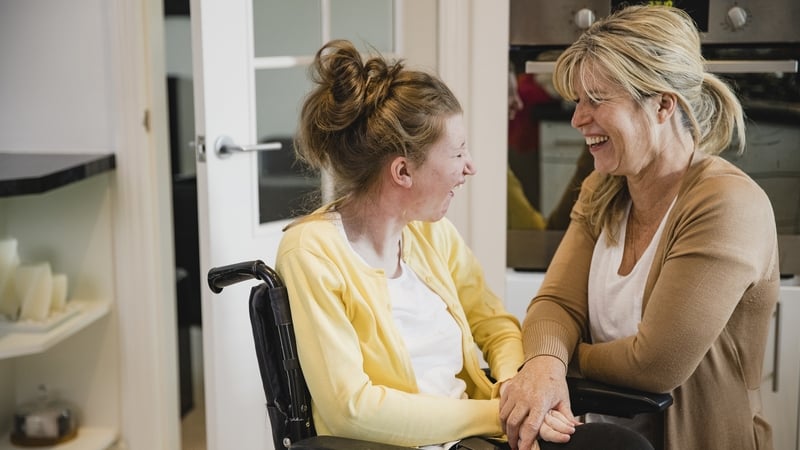

Counselling psychologist Niamh Delmar discusses the mental and physical load of being a carer, and shares some tips for avoiding burnout.
A Family Carer refers to a person who is in the role of providing a significant level of care to someone in the home due to illness or disability.
According to a report conducted by Family Carers Ireland, one in 10 people is in this role, providing an estimated 10 billion euros in unpaid care each year. Family carers are a critical resource in society, often at a financial, physical and psychological cost to themselves.
Caregivers can find it a rewarding and positive life experience fuelled by love, and the reassurance that their relative is receiving quality care. Caring provides a sense of meaning and purpose in life.
Precious periods of intense connection often arise, and carers can tap into an inner resilience. A deep satisfaction can be gained when improving the quality of life for another. A deeper understanding of humanity and new levels of patience may be fostered.
Carers have reported gaining a better perspective on life and a strengthening of relationships with other family members.

In saying that, caring for a family member may be both physically and mentally challenging and, for many, it is a life-changing experience.
Those in need of care include children or adults with additional needs, the elderly, those in palliative care and people living with chronic illnesses, mental health conditions or addiction. A caregiver's role involves medical duties, lifting, safety, providing emotional support, advocating, assisting with hygiene and toileting and much more.
Some carers are exposed to aggression and other risky behaviours, often referred to as 'carer harm'. A study conducted by Dr Sarah Donnelly at UCD found that carers of autistic children and adults, and of those with dementia who experienced physical violence, were reluctant to talk about it.
They described the stigma and guilt they felt, and the lack of safety options for interventions in crises.
Caregivers have no set hours, are often on standby 24 hours a day, and may have only minimal or no respite. Multiple studies have revealed the impact on their physical and mental health.
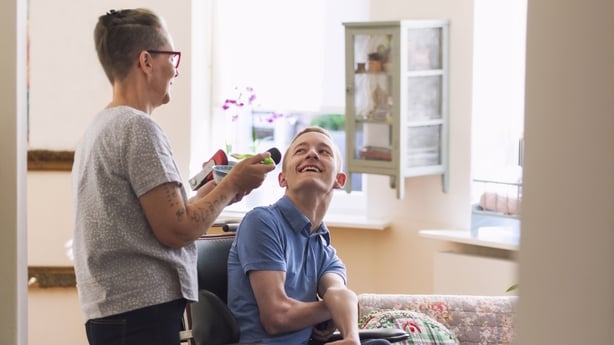
Research undertaken by the University of Limerick found that initially healthy carers displayed a 33% greater risk of illness or disability eight years later. Allostatic load refers to the impact of chronic stress on the immune system and cardiovascular functioning, which has been associated with caring. Manual care can result in physical injuries or back or shoulder strain.
Research has also highlighted that nearly half of carers were being treated for a mental health condition such as depression and anxiety. Some carers may not be diagnosed or undergo treatment.
Family Carers Ireland surveys found a 30% increase among carers diagnosed with depression in the last 10 years. Carers also report loneliness and social isolation as the demands of their role may leave them with little time or energy to engage in activities or to keep up with interests.
All of this can lead to caregiver burn-out which is a state of physical and mental exhaustion. Symptoms include stress, fatigue, anxiety, depressed mood, withdrawal, changes in appetite and sleep patterns, anger and frutration and a loss of interest in activities once enjoyed.
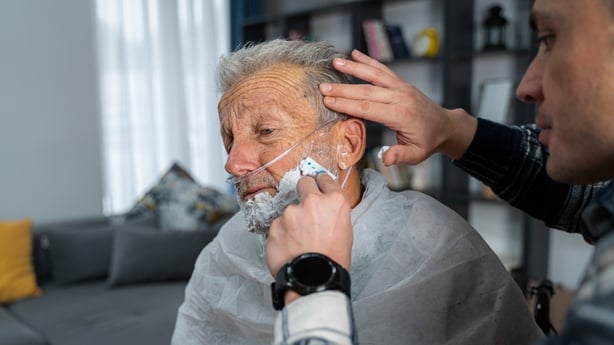
Dedicating time and energy to another without support can drain a person's emotional battery. The caregiver then operates on 'auto', and their own needs and care get neglected.
Compassion fatigue occurs when the carer absorbs the stress of the cared for peron. It can lead to a lack of empathy or proper care. Feelings of resentment, emotional numbness, and unhealthy communication processes emerge, straining the relationship.
Blocked care refers to a reduced capacity to sustain caring and empathetic feelings towards the person cared for. Emotional detachment features and less happy hormones are released in the presence of the person. So many complex emotions can arise when caring, and the future that was planned may be mourned or anticipatory grief felt.
Parents often worry about the future care for their child or the impact on young carers.

Tips for carers
Utilise all available supports and systems. Organisations, such as Family Carers Ireland, offer support services, carelines and a free counselling service.
Acknowledge the role and update other relevant family members. Set up a WhatsApp group to inform and arrange rosters to avail of help and respite.
Educate yourself about the person's condition to alleviate a sense of helplessness. Access any available specific supports, such as manual handling, and seek guidance with responding to challenging behaviours, such as non-violent resistance training.
Peer support provides carers with information and solidarity. Online and in-person groups can help with loneliness and social isolation.
Developing caregiver resilience boosts perseverance despite stressful circumstances. This involves understanding and adapting to the role, nurturing relationships, facing realities, finding rewarding aspects and continued learning.

Emotional resilience is about adaptation, recovery and emotional regulation. If experiencing burnout, know your limits, seek support and have realistic expectations of yourself. Know what you can't control or give.
Look after basics such as nutrition and sleep, but don't forget about meditation, activities and physical activity that can help to alleviate stress.
Compassion fatigue awareness programmes can be emotionally beneficial. Identify your needs and explore all possible options. Link in with your GP and a Mental Health professional to explore specific interventions.
We need your consent to load this rte-player contentWe use rte-player to manage extra content that can set cookies on your device and collect data about your activity. Please review their details and accept them to load the content.Manage Preferences
There is a lack of appropriate practical and financial support for many carers. To support their health and well-being, appropriate respite care hours need to be standardised.
Family Carers Ireland recommends additional funding to ensure carers are guaranteed an array of supports, regardless of where they live. More accessible financial support is necessary as there can be a loss of income and significant medical and household expenses.
Physical health supports prevent injuries and ill health. Future plans set in place for loved ones and legal advice would alleviate anxieties. Psychological support needs to be accessible to all in a carer's role to prevent and alleviate mental distress.
If you need support, visit https://about.rte.ie/ie/helplines/
The views expressed here are those of the author and do not represent or reflect the views of RTÉ.
