


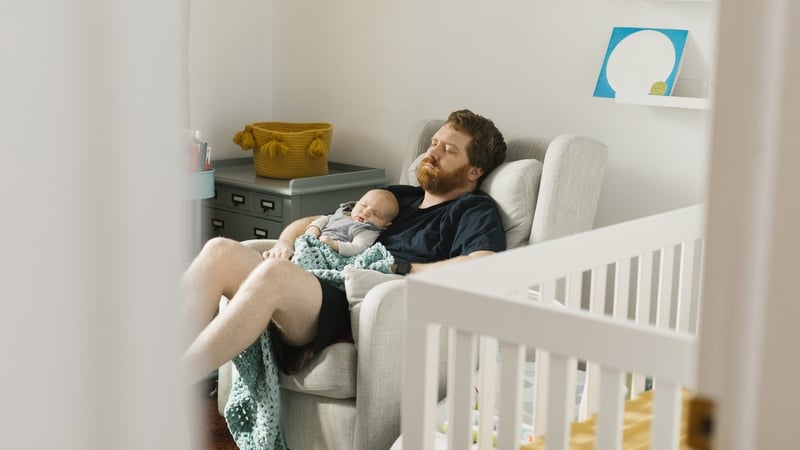
When the clocks go forward (at 1am on the last Sunday of March, this year on 29 March), it is usually a shock to the system.
Losing a precious hour of sleep not only leaves you feeling tired, groggy and out of sorts, but it can throw off your routine and body clock, with your body needing a bit of help to adjust to its new sleeping time.
This is doubly so for parents, who not only are likely already struggling like long nights, early rises and a rising sleep debt, but also need to factor in how their little ones adjust to the clocks changing. There are some steps you can take, however, to lessen the impact this year.

Experts at Northern Lights and baby sleep coach Jo Rammell from The Little Sleep Spot note how making small tweaks here and there to your living space and your routines can make the transition into daylight savings time less of a hassle.
Anyone who has tried to fall asleep with the big light will know, lighting counts for a lot when it comes to your sleep.
A spokesperson for Northern Lights said: "Many people overlook how lighting affects the body's internal clock. Exposure to bright or cool-toned lighting late in the evening can make it harder for the body to recognise that it’s time to rest. Creating a softer, lower-lit environment not only helps the ambience of your room as bedtime approaches, but also helps signal that the day is ending and supports a more relaxed transition into sleep.
"Dimming bright lights in your living room or bedroom as bedtime approaches can help create a calmer environment and signal to the body that it is time to wind down."

This also applies to babies, and shifting their sleep routine ahead of the clocks changing can help both them and parents settle better at night. Baby sleep coach, Jo Rammell from The Little Sleep Spot, shared her top 7 tips for parents on the lead up to the clocks changing:
1. Shift your bedtime by 15 minutes each night
"If bedtimes are a battle for you and it's already later than you’d like, you could gradually prepare them for the change.
"Start by gradually moving bedtime earlier by 15 minutes each night for the few days leading up to the clock change. For example, if your child's bedtime is typically 8 pm, shift it to 7.45 pm, then 7.30 pm, and so on. That way, by the time the clocks change, they’re going to bed an hour earlier anyway, and after the change, they can go back to their normal 8 pm bedtime (rather than shifting to 9 pm).
"It’s also important to make the same 15-minute adjustment to your child's daytime naps and meal times too."
2. Don’t expect your baby to instantly adapt to the clock change
"It can take a few days, up to a couple of weeks to adjust to the clocks changing, as every baby is different. I’d say the average is usually a week."
3. Increase your daylight exposure
"Light plays a pivotal role in regulating our body clocks. It's great if your child gets plenty of outdoor playtime in the natural daylight, and this is especially useful during the clock change period to help them adjust quicker."
4. Invest in a blackout blind
"Darkness promotes the release of melatonin (the sleepy hormone), so as the evenings get lighter, I’d always recommend using blackout blinds in your child’s bedroom. Plus, convincing a toddler that it’s bedtime when it’s still light outside isn’t for the faint-hearted!"
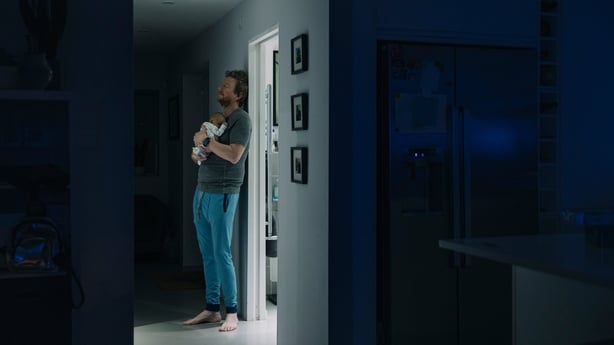
5. Adjust the colour setting on your baby’s nightlamp
"Blue electronic lights and 'white' light can keep us awake. So, if you need to use a light in your child’s room, I would always recommend using a red or amber-based light, as these don’t inhibit the sleepy hormone as much."
6. Avoid screen time before bed!
"I would avoid screens 30 minutes to 1 hour before bedtime. Blue light from screens can affect melatonin production and, therefore, their quality of sleep. Instead, spend the time before bed with their favourite calming activities like reading books, playing games, or singing songs. I’d also recommend shifting to warm, dim lighting an hour before bedtime."
7. Don’t have a set routine yet? Do nothing
"With the clocks going forward, we’re losing an hour of sleep overnight. For those with little ones who don’t have a set routine anyway, or have an early wake-up already, I’d recommend doing nothing. That way, their normal early wake might feel a bit more manageable!"
