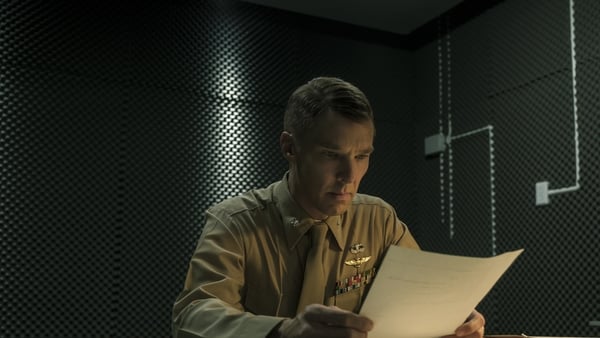

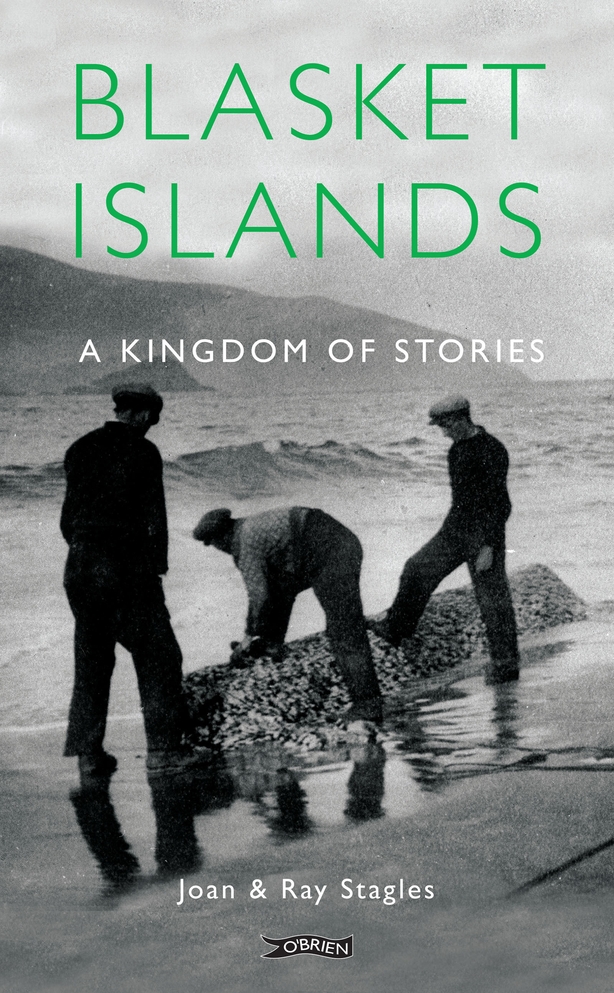
Two attractive books have just appeared from O'Brien Press, one a reissue of a Blaskets classic from 1980, whose authors were Joan and Ray Stagles, along with a new book about Sceilig Mhichíl from Des Lavelle.
The Blasket Islands - na Blascaodaí- were often difficult to get to before marine developments of the twentieth century. That in its own curious way, would have helped the community's ability to thrive in isolation, splendid or otherwise before the 1953 evacuation from the Great Blasket changed the story utterly.
Aside from Great Blasket, the archipelago comprises Beginish, Inishabro, Inishvickillane, Inishtooskert, and Tearaght Island. The Great Blasket hasn’t had a bad press, so to speak, in Irish annals and one recalls Muiris Mac Conghaíl’s magisterial film, Oileán Eile, made for RTÉ in the 1980s. That rich work encapsulated the island's very essence through interviews with native contributors, one or two of whom spoke with an air of wistful resignation about their former home. Indeed the film appeared to juxtapose the desperate flight to foreign parts with the forever lost spirit of meitheal and neighbourliness that once abided in the deserted village of the Great Blasket.
What has had a bad press, however, is Peig Sayer’s autobiography, Peig, which concerned life on the Great Blasket in the 1920s. The book was in truth the bane of many a schoolchild of the mid to late-twentieth century era, generally recalled as misery piled upon misery. Sayers was only telling it like it was, however, and Peig is recalled in Blasket Islands: A Kingdom of Stories as the valuable socio-historical document it is, as is the small shelf of literary classics written about the islands in the early years of the twentieth century.
Fiche Bliain ag Fás by Muiris Ó Suilleabháin, translated as Twenty Years A-Growing and Tomás Ó Croimtháin's An tOileánach - since translated as The Islandman – which was first published in Irish 1929, have fallen out of favour. There may be an argument for their reinstatement on the school curriculum but the great rush to topicality and relevance will presumably not permit this. Yet William Shakespeare, who long predates Blasket literature, is a perennial feature on English school courses.
The 237-page book from Joan and Ray Stagles was edited posthumously this year, following revised editions which appeared in 1998 and 2006, although the book was first published in 1980. Replete with fascinating black-and-white photographs and a series of detailed maps, it is divided into four parts, The People of the Blasket Islands, The History of the Blaskets and The Built Environment on The Great Blasket Island, which includes chapters on the harbour, the island village and the development of the field system. Other Lives is the final part, which concludes with a chapter simply called The Evacuation.
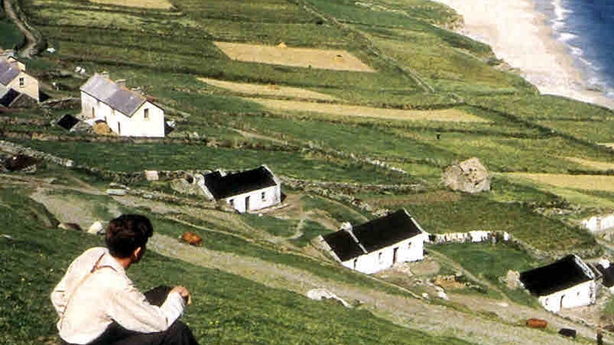
The Stagles' book illuminates facets of Irish island life that have all but disappeared, although the island still has its visitors, particularly in the summer months. Reviewing the work for the Sunday Tribune, poet Brendan Kennelly saluted it in the following terms. "Every word Joan Stagles wrote about the Blaskets shines with a profound love of her subject."
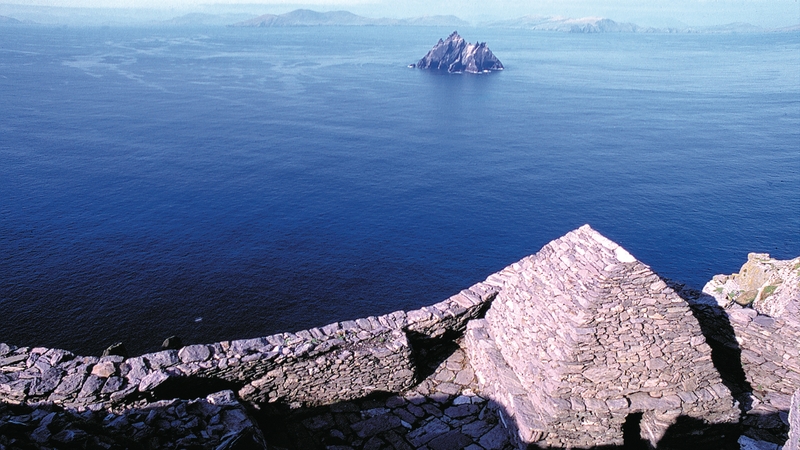
A companion soft-back from O’Brien Press, Skellig – Experience the Extraordinary by Des Lavelle should prove of equal interest. George Bernard Shaw was urged to rapture after his experience of Skellig. "Magic that takes you out, far out, of this time and this world," he wrote. This new work takes the reader on an intimate tour of the early Christian monastic settlement and its stone beehive huts, while the islands’ bird-life and underwater riches are also explored with a wealth of colour photos.