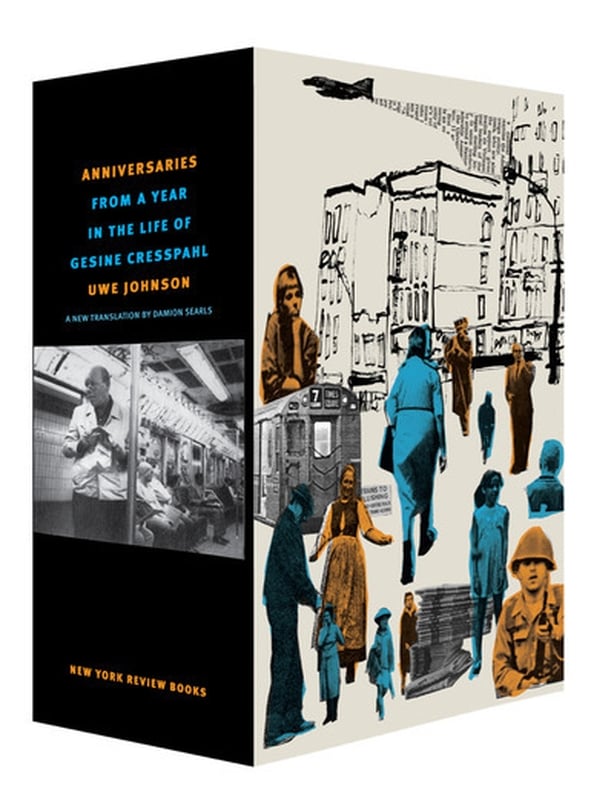

First published in German in the early 1970s, Uwe Johnson's two-part mammoth work, Anniversaries is a publishing phenomenon, for its page count alone, running to over 1,600 pages.
Manhattan is the setting for the revered novel by the esteemed German writer, in which a mother tells her ten-year-old daughter about her childhood under the Nazis.
The novel begins in New York in August 1967 and ends in August 1968, so it’s a year in detail and the key events of the European century are recalled with humour and irony as New York throbs with its brash presence. Gesine Crespahl is a German émigré who recalls growing up, during and after the Nazi era, in a small North German town of Jerichow.
The encyclopedic saga, translated by Damien Searls, is immersed in the events of the day, it’s much more than mere recollection. The second volume, for instance, deals with the impact of Robert Kennedy’s assassination, with news of the Prague Spring also occupying the headlines in 1968.
Gesine has hopes that the so-called `Socialism with a human face,’ getting a brief flicker of a chance in Czechoslovakia, will be the saving grace for a credo she once put her trust in. Her memories of the Soviet regime are haunted by terror - her father, who was the mayor in her hometown, ended up in a particularly harsh prison camp.
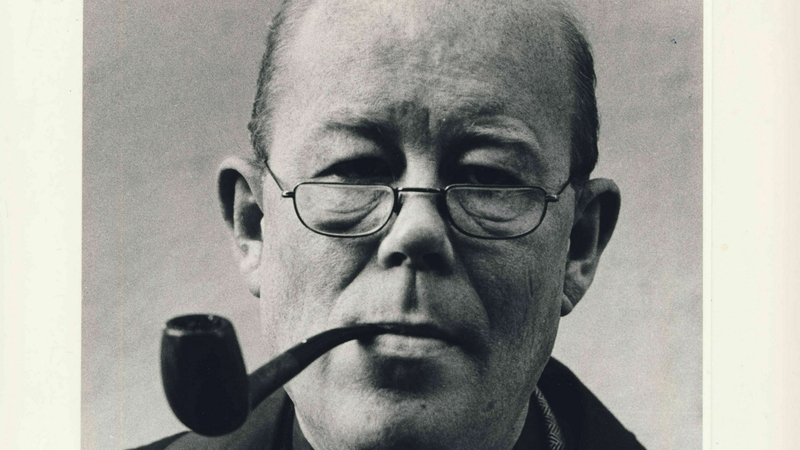
Meanwhile, she is employed by a bank who may ask her to move to Prague to live and work for a spell. Thus past and present interface in a novel which was hailed by Hannah Arendt as ‘a masterpiece,’ while the Independent Foreign Fiction prize-winning novelist Jenny Erpenbeck, welcomes Uwe Johnson (1934-1984) as "the most incorruptible writer " she has ever read, "always searching for what we so frivolously call the truth."