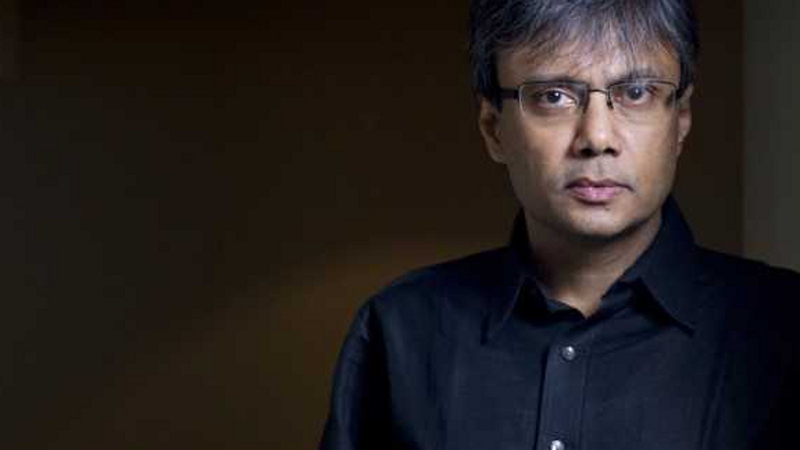

The narrator of Amit Chaudhuri’s novel is a fifty-something writer named Amit Chaudhuri who is revisiting the Bombay in which he grew up. This epiphanic, limpid work resists the term nostalgia, but the overall effect is ineffably nostalgic.
Chaudhuri is the benignly alert and inquisitive individual who checks into the homely Yacht Club once favoured by his parents, eschewing the luxury of the upmarket hotel which his publishers would have offered him. He insists on calling the city by the name of Bombay, renamed Mumbai by the right-wing Hindu nationalist party Shiv Sena in 1995.
The novelist may resist the suggestion that his journey back to Bombay is about nostalgia. After all, he returns every one or two years from England for book promotions so homesickness hardly comes into it. Insisting on calling the city by its previous name, however, would seem to be allied to feelings of nostalgia and the tilt of the novel's wistful prose is magnetically fixed towards the past.
However, the protagonist is quite unequivocal about his feelings: 'I feel no nostalgia. What I encounter is an impossibility of recovering whatever it is that formed me, which I churlishly disowned. Bombay was never good enough for me.' Reading these sentences, one cannot help but think of John Banville’s similar pronouncements on his native Wexford in his recent book, Timepieces: A Dublin Memoir.
The story is haunted thoughout its earlier chapters by the shadowy presence of Ramu, the 'friend of his youth' who has a long history of heroin abuse but is in remission when we finally meet him. ‘Presence’ is the correct usage, but in fact Ramu is absent, in rehab in a town some 100 kilometres south of Bombay in the earlier part of the story. Yet the presence of this abrupt but sensitive individual is so well evoked - in his absence - that the reader is primed to look forward to meeting him, the tarnished yet charismatic individual who almost died after a heroin overdose.
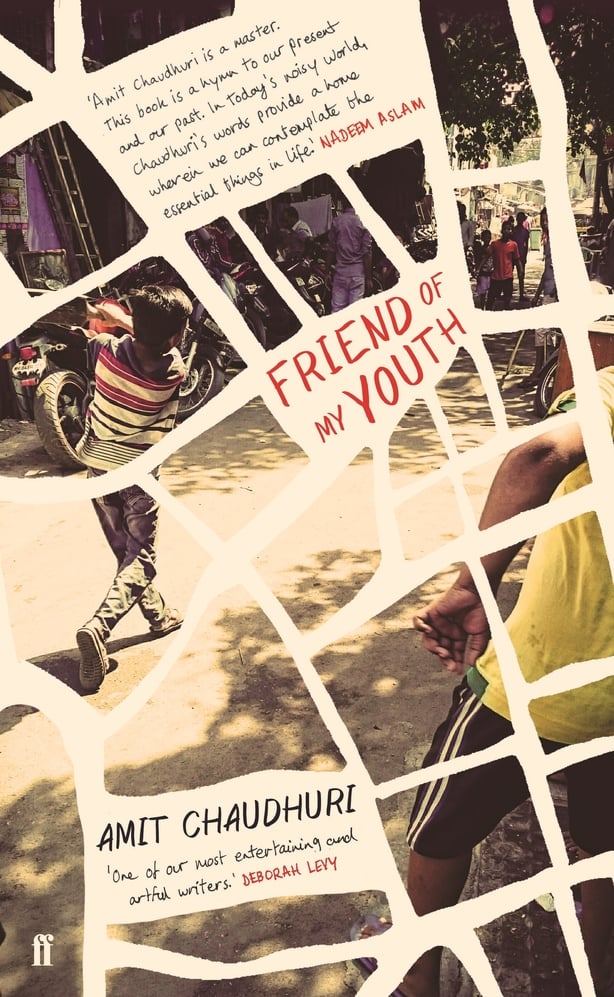
One is careful to use the word travelogue about a novel, but Friend of My Youth is the closest thing to a travelogue that your reviewer has read and yet it is avowedly a novel. It will be viewed, rightly or wrongly as part of the new wave of autofiction, popularised by writers such as Karl Ove Knausgaard, Rachel Cusk and many others. However, Chaudhuri will almost certainly not want to be lumped into that or indeed any category.
Yet there is enough here too to skew any such literal interpretations of thinly-veiled biography, like the comic set-piece towards the close of the story where the writer tries to scrounge a luxury room at Mumbai's Taj Mahal Palace Hotel for a cheaper rate. Planning a family holiday for himself, his wife and daughter, he earnestly informs the manager that he even wrote a bit about the Taj Mahal Palace Hotel in his novel The Immortalists, which is an actual novel by the author under review.
Our writer revisits places associated with his youth, some transformed, some curiously still the same, or at least carrying residual traces. From a taxi, Chaudhuri and Ramu see people eating ice cream `sandwiched between wafers' in an ice cream parlour, almost an anachronism in post-2008 Mumbai. He contemplates the refurbished Taj Mahal Palace Hotel, which was attacked by the Laskkar-e-Taiba militant Islamists in that self-same year, with over 160 fatalities.
He has a constant longing for Parsi food and thin chutney sandwiches, which are 'part of my afterlife here'. He seeks out old eateries of the past, he looks at the harbour from a popular viewing point and orients himself constantly, recalling the few places he lived in and the vast swathes of the city he still does not know. Upper class himself, he reflects with level dispassion on the niceties of class and ethnicity, but it's done lightly, as he gently satirises his native land. It’s a well-known fact that no novel is taken seriously in India until a good deal of research has gone into it - the reader can almost hear the bemused sigh.
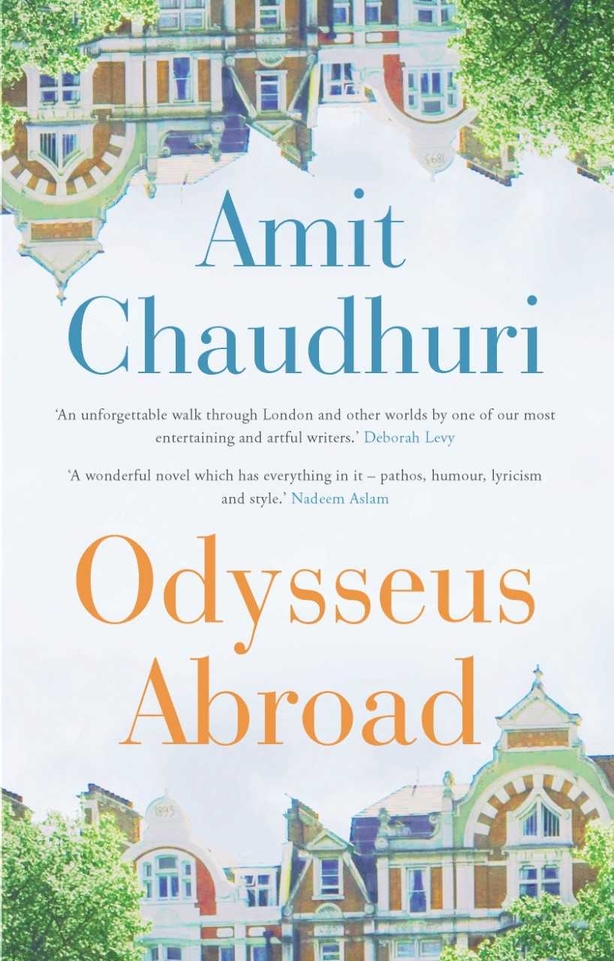
in the middle of the novel, the protagonist is interviewed by a journalist, about whom he is just as curious, if not moreso, than the journalist is about him. The young hack nervously pauses the recording device to make sure he is picking up the chat. Chaudhuri observes the scene and hears his speaking voice. Then my voice, unbelievably earnest and self-regarding like a young priest’s.
Friend of My Youth is a truly wonderful novel and if you like this one, then proceed to his somewhat longer novel, The Immortalists, which is a very fine work indeed.
Paddy Kehoe