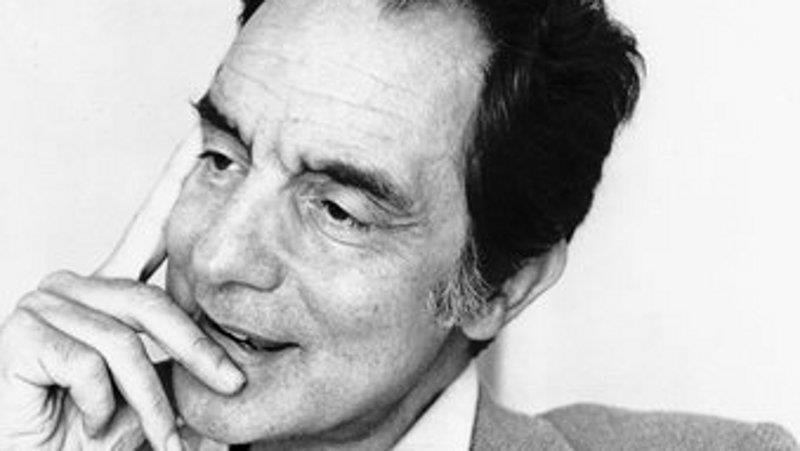
The novelist Italo Calvino tragically died of a brain haemorrhage in 1985, before he had opportunity to deliver a proposed six lectures at Harvard University that year, posthumously published as essays which celebrate his love of literature and the powers of the imagination.
The celebrated Italian writer Italo Calvino was born in Cuba in 1923, raised in San Remo and he fought in the Italian Resistance in 1943-1945. The playful yet rigorously focused author would appear to have slipped somewhat from guru status he enjoyed in the 1980s. Yet he is one of Italy’s most gifted 20th century writers and the world of literature in translation would be in a sorry state if works such as If on a Winter’s Night A Traveller, Invisible Cities and The Castle of Crossed Destinies were to fall out of favour.
Yet one of these essays, Visibility, appeared to foresee a time when images from Hollwyood and elsewhere - he knew not of the internet - might actually swamp the imaginative powers of people who had relied on images conjured by books. Yet, his is not an Anti-Hollywood crusade and he refers to the images and characters he knew from American comic strips that had been adjusted for Italian consumption, images that had an almost magical potency for him, even before he learned to read their captions in Italian.
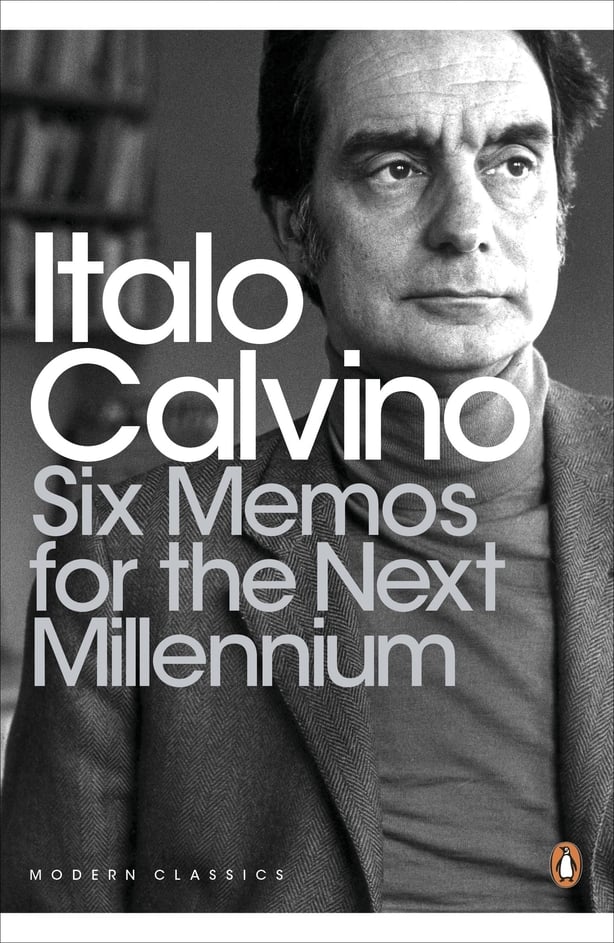
Calvino intended to deliver what were in fact his final works as the Charles Eliot Norton lectures at Harvard in 1985-1986. The lectures came under six headings, Lightness, Quickness, Exactitude, Visibility, Multiplicity and Constancy - the final theme which never got written. (Curiously, in that regard, the collection is not entitled Five Memos etc.)
Lightness, the first of the essays, celebrates the light touch which intrigued Calvino, from origins in Greek myth (Perseus, Pegasus, Medusa) to Ovid and Lucretius. Lightness was very much a personal quest for the young Calvino. "I soon realised that the gap between the realities of life that were supposed to be my raw materials and the sharp, darting nimbleness that I wanted to animate my writing was becoming harder and harder for me to bridge," he writes.
We are all the richer for Calvino's fables and philosophical conundrums, which in retrospect now appear to make him close kindred with another great fabulist, Jorge Luis Borges. Recommended for anyone interested in the history and indeed the writing of decent fiction.