




Analysis: The popularity of 'ready-to-eat' meals, more vulnerable elderly citizens and a warming climate have contributed to a rise in food infections
Foodborne diseases caused by bacterial infection are high up on the list of potential public health liabilities that await us in the sure-to-be sweltering European summer. The 'bugs' to blame belong to a well-established and (thankfully) small lineup of usual suspects, however, significant differences in terms of foods affected and danger to human health makes keeping track of which bug is a difficult task. Harder still is the adoption of safe food habits to lower our chances of being struck down by one of the offending nasties.
The popularity of refrigerated ‘ready-to-eat’ meals, more vulnerable elderly citizens, and a warming climate have all contributed to an upward trend in the incidence of infection from foods contaminated by Listeria, Salmonella and Campylobacter. Under the microscope, these bacteria look quite similar, yet their prevalence across different foodstuffs and the consequences of their ingestion vary widely. These can range from the spoiling of a hard-earned holiday to serious episodes of hospitalisation.
Listeria
The scorecard
Occurrence: 2/10
Danger to health: 9.5/10
Severity of illness: 9/10
While less common than Salmonella or Campylobacter, Listeria is among the most severe foodborne bugs in Europe, causing the highest proportion of hospitalisations and deaths. It is commonly found in ready-to-eat foods such as deli meats, as well as seafood and dairy products. Listeria makes for a particularly cruel summer foe in that it is often detected within ice cream machines. The rising levels of this deadly bacterium prompted the recent amendment of EU legislation to stipulate stricter monitoring of Listeria levels throughout the shelf lives of ready-to-eat foods.
We need your consent to load this rte-player contentWe use rte-player to manage extra content that can set cookies on your device and collect data about your activity. Please review their details and accept them to load the content.Manage Preferences
From RTÉ Radio 1, how concerned should we be about Listeria?
Less severe Listeria strains can cause flu-like symptoms including nausea, vomiting, diarrhoea, headache, and fever, which generally present within a few days. More serious invasive infections occur when Listeria spreads beyond the gut to the bloodstream or central nervous system and can take several weeks to develop. In these cases, symptoms can include stiff neck, severe headache, loss of balance, and even seizures. The major danger here is the development of meningitis and sepsis.
Listeria is known as one of the most dangerous bugs out there, and with good reason. In Europe in 2024, about 8% of confirmed invasive cases of Listeria result in death with roughly 7 in 10 infected individuals requiring hospitalisation. Pregnant women and their unborn babies, newborn infants, adults aged 65 and older, and immunocompromised individuals are most at risk here. Treatment for severe cases generally entails aggressively high doses of antibiotics with varying success.
Salmonella
The scorecard
Occurrence: 8/10
Severity of illness: 6/10
Danger to health: 6/10
The second most common gastrointestinal bacterial infection in Europe, this bug is frequently linked to contaminated egg products, and raw or undercooked meat. Ireland has had its fair share of salmonella-linked food recalls lately including chicken, cheese, and even pistachio nut products.
We need your consent to load this rte-player contentWe use rte-player to manage extra content that can set cookies on your device and collect data about your activity. Please review their details and accept them to load the content.Manage Preferences
From RTÉ Radio 1's Drivetime, the latest advice from Safefood regarding Salmonella
Symptoms are mainly gastrointestinal and can include diarrhoea, fever, abdominal cramps, and vomiting. Salmonellosis can take hold within days of ingestion of contaminated foods and symptoms can last up to a week. The usual treatment plan here is supportive care involving rest and fluid replacement to prevent dehydration.
Compared to Listeria, hospitalisation of individuals infected with Salmonella is rarer and mortality rates are much lower, attributed at least partly due to the efficacy of established antibiotics in fighting these infections.
Campylobacter
The scorecard
Occurrence: 9/10
Severity of illness: 4/10
Danger to health: 4/10
In terms of foodborne illness across the EU, Campylobacter stands out as the most frequent offender. This is the main culprit behind your classic stomach bug. It is most commonly contracted from raw or undercooked poultry, unpasteurised milk, and contaminated water. More than 140,000 cases of Campylobacteriosis were recorded in 2022 with Ireland exhibiting a confirmed case rate of ~1.5 times the EU average.
We need your consent to load this rte-player contentWe use rte-player to manage extra content that can set cookies on your device and collect data about your activity. Please review their details and accept them to load the content.Manage Preferences
From RTÉ Radio 1, Ella McSweeney on what's in the processed chickens we consume
Typically, symptoms involve acute gastrointestinal distress including diarrhoea, fever, and abdominal cramps appearing within a few days and lasting up to a week. Like Salmonella, supportive care with lots of fluids is the best approach here.
The overall mortality rate of Campylobacter infections is low. This bug is primarily a public health issue due to the sheer number of cases. The very young, the elderly, and immunocompromised individuals are most susceptible to severe infections which are treatable with antibiotics.
How to prevent these bugs ruining your summer
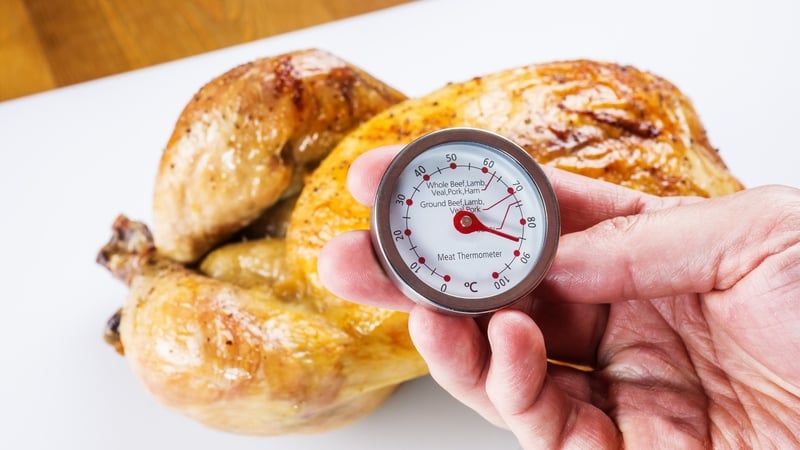
Vigilance is called for from all sides, from the food manufacturers to the regulatory bodies all the way up to the consumer. The general safe food protocols put forward for years bear repeating here; wash hands and surfaces, ensure foods are cooked through, adhere to expiry dates and avoid leaving foods out of the fridge.
We need your consent to load this rte-player contentWe use rte-player to manage extra content that can set cookies on your device and collect data about your activity. Please review their details and accept them to load the content.Manage Preferences
From RTÉ Radio 1's Oliver Callan, food safety inspector Claudia Guildea about what she's looking for - and what you really don't want her to find
Our ability to combat severe infections is limited by our arsenal of antibiotics as well as the potential for bacteria to develop resistance with overuse. The development of potent therapeutics which specifically target foodborne infections has not yet been widely invested in.
The Department of Agriculture, Food and Marine is making significant progress in this regard with funding recently allocated to LySyn, a multi-institutional project between DCU, UCD and TU Dublin, which is focusing on the development of radical new therapies against foodborne disease.
Follow RTÉ Brainstorm on WhatsApp and Instagram for more stories and updates
The views expressed here are those of the author and do not represent or reflect the views of RTÉ
