

Analysis: Not all possessions, heirlooms, or objects of national significance have to be given a 'new lease of life' by making them look brand new
Your washing machine breaks down. A decision must be made about whether to get it repaired or buy a brand new one. That decision is usually driven by financial circumstances and is devoid of an emotional connection to this everyday electrical appliance.
Meanwhile, your first teddy bear resides in a box in the attic. It has one eye missing, its fur is no longer soft and it has become discoloured over time. Do you get the teddy bear repaired so that it looks as pristine as it did when you got it or do you keep it in its current condition so that the age and traces of use is immediately visible?
This is a dilemma about treasured objects which is worth careful consideration, especially if you are thinking of undertaking the repairs yourself – which can go catastrophically wrong and are impossible (and expensive) to reverse. This isn't about debating whether to ditch a broken electrical appliance or have it repaired. It’s about things that are loved and irreplaceable – personal possessions, heirlooms and objects of national significance. It’s about arguing that we don’t always have to give objects a 'new lease of life’ by making them look brand new.
Granny’s good tea set which has been chipped at the rim, the old chair with rips in the upholstery, the photograph album that is discoloured: we all have sentimental objects that are now delicate, damaged and at risk due to use, misuse and the passage of time. So how do we decide if they should be repaired or not?
Firstly, it is important to be aware of the risks of carrying out repairs when you don’t really know what you are doing. There are many infamous instances of failed repair jobs, with Spain being a standout for "attacks" on its cultural heritage by well meaning but untrained individuals. In 2018, a 16th century wooden sculpture of St George was sanded and scraped by a local crafts business and the paintwork left looking like a cartoon character after its restoration.
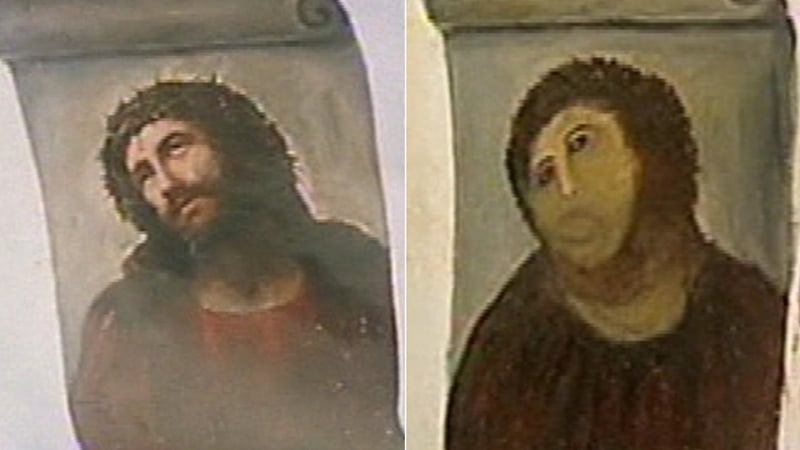
In 2012, Cecilia Gimenez rose to international fame after her botched restoration of the Ecce Homo fresco at a church in Borja, Spain, drew worldwide media attention. Her clumsy attempt at repainting the face Christ on a century old artwork sparked a flood of online reactions, memes, and parodies. The controversy turned Borja into a tourist destination, with about 57,000 visitors coming to see the previously little-known church the following year. The incident also incited discussions about the dangers of underestimating professionals when it comes to the correct conservation of our cultural heritage.
From Solar Sands, what happens when art restoration goes wrong
Skilled professionals are there because all aspects of artwork and decorative items have their own needs. For example, a wooden cabinet requires a different approach and set of skills to a wool cardigan or gold necklace. The amount of knowledge required for repairing objects, especially culturally valuable ones is enormous. For example, the Mary Rose, a war ship that was launched as part of King Henry VIII's navy in 1511, took over 30 years of professional conservation to stabilise and preserve it for future generations.
Whether it is museums caring for historic objects of international significance or private owners safekeeping their personal family hand-me-downs, custodians of objects have a responsibility to safeguard them in the best way possible to ensure longevity.
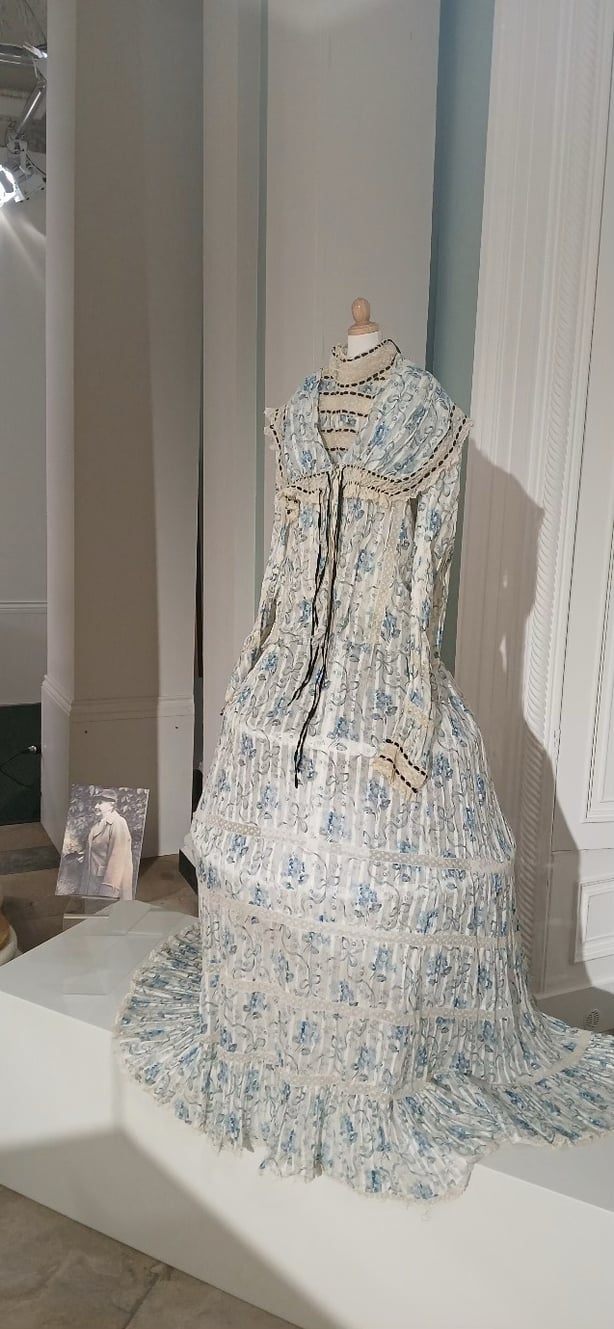
In RTÉ's Museum of Me series, actress Mary McEvoy discusses her grandmother’s wedding dress which she is tasked with looking after. The dress dates to 1909 and despite some frayed hems and discolouration, it is in remarkable condition – all because it has been carefully minded through generations. In 2022, one of the most expensive garments ever sold was recklessly loaned out by its owner causing damage for a publicity stunt.
The gown worn by Marilyn Monroe during her famous 1962 performance of Happy Birthday to US president John F Kennedy was bought at auction by Ripley's Believe It or Not! for over €4 million in 2016. Textile conservators and fashion historians deemed the famous gown to be "too fragile to sustain being worn again" and its designer outlined how removing it from the archives, where it was kept in strictly controlled conditions to for preservation would cause "irreparable damage to the iconic gown".
But despite this, Kim Kardashian persisted with the historically harmful wardrobe choice and wore it to the Met Gala, causing tears along the back closure, pulled seams and threadbare sequins. After multiple public affirmations from the owner that the dress was not damaged, it is the loss of fine details, originality and detachment from the context that made it famous which is perhaps the greatest lament for this historic garment.
We often hear about restoring things to their ‘former glory’ in the context of building renovations and TV shows like The Repair Shop. What is less understood and less televised is the practice of conservation. So what is the difference between restoration and conservation and how does it affect how objects look? Restoration attempts to return an object back to its original condition and let the viewer see what the object originally looked like. By contrast, conservation attempts to preserve an object in its current condition and lets the viewer see the wear and tear that an object has acquired over its lifetime.
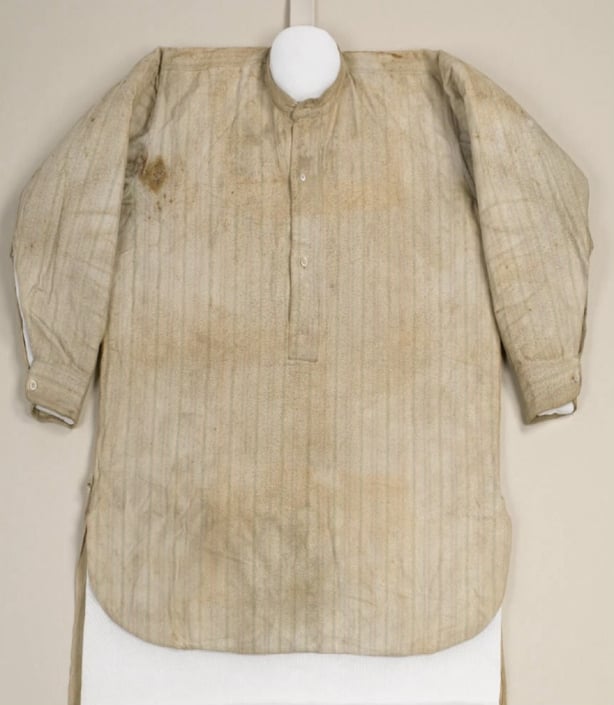
Both approaches have advantages and disadvantages. Take for example James Connolly's bloodstained shirt which he wore during the 1916 Rising. Restoration would return the shirt to how it looked before the Rising, clean and without the bloodstain. Conservation preserves the shirt in its blood ridden, well-worn state. In this instance, the traces of use (i.e. the bloodstain) are of historical importance and situates the object within a significant moment in modern Irish history. Restoring the shirt would have erased that.
From misguided church parishioners wreaking havoc on religious art to camera hungry celebrities irresponsibly wearing historic garments, there are infinite ways of damaging precious objects. But thankfully, many ways of caring for objects exist too.
This can come in the form of storing heirlooms in attics out of reach to paying skilled professionals to stabilise our precious items. The important thing is for owners or caretakers to carefully evaluate what is best for the objects’ future. And don’t let a Kardashian borrow any of your stuff.
Museum of Me starts on RTÉ One and RTÉ player on Sunday 31st May at 8.30pm
Follow RTÉ Brainstorm on WhatsApp and Instagram for more stories and updates
The views expressed here are those of the author and do not represent or reflect the views of RTÉ