

Analysis: It's tempting to laugh at the creeping LinkedInification in soccer, but there is a more complicated reality behind the meme
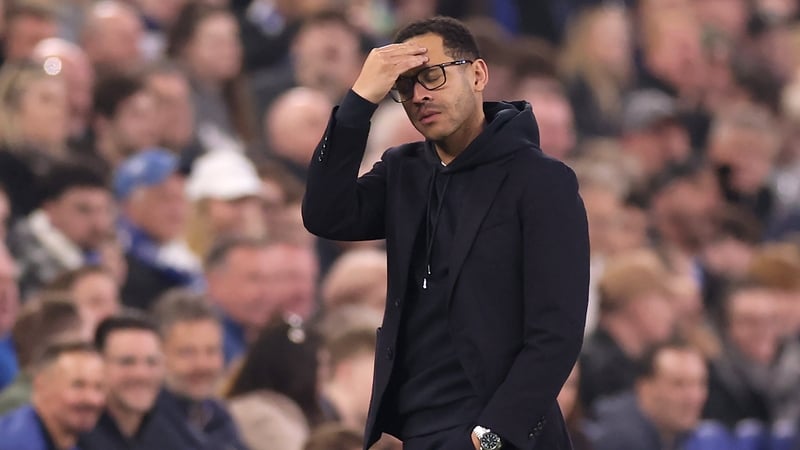
Recently fired Chelsea coach Liam Rosenior has been disparagingly dubbed 'LinkedIn Liam' by fans and media. The nickname is a product of his measured corporate speak, frequently, not unlike many of his young contemporaries, referring to things like ‘the process’ ‘the vision’ and a particularly unique breakdown of the term "manage".
His relentless positivity where setbacks become 'learning opportunities' has somewhat grated on journalists and fans. He has become a meme but, like most viral memes, it captures something bigger about the current state of professional soccer.
From Mighty Blues News, Liam Rosenior's last post-match press conference as Chelsea manager after a 3-0 defeat to Brighton
What fans are reacting to is part of a broader cultural shift sometimes described as ‘LinkedInification.’ This describes a style of communication shaped by the norms of LinkedIn. It is polished and professional, annoyingly positive, structured around life lessons and mindset and ultimately oriented toward self-presentation and reputation. It may be harsh to describe it as fake, but it is certainly highly curated.
This aligns with a wealth of research on self-branding and impression management, that predates LinkedIn and has found much more attention concerning higher profile social media platforms (e.g. Meta, X). LinkedIn is different in that it is a specific space dedicated to professional and corporate matters. What is interesting is that this corporate self-presentation is no longer confined to corporate spaces. It is everywhere, and it has consumed football.
What does LinkedInification look like in sport?
It is an in-joke, a shorthand for speaking that feels overly polished or detached from the emotional reality of the game. Think of social media posts that frame injuries or defeats as narratives of resilience, or interviews that refer to KPIs such as expected goals or speed of transitions. Increasingly, this language also draws on the lexicon of sports science and sport psychology.
From Good Work, why is LinkedIn so weird?
Players and managers speak about ‘process,’ ‘mental resilience,’ ‘load management’ and ‘performance environments’. These are not empty buzzwords. They reflect real expertise and also contribute to a style of communication that feels abstracted from the visceral experience of winning and losing.
This is perhaps inevitable. Soccer is big business and it is going to engage in tools and structures of rationalisation in an attempt to control its outcomes. The growing influence of analysts, psychologists, and performance specialists means that what happens on the pitch is increasingly explained through technical, scientific, and managerial frameworks. Communication and culture are obviously important for any organisation, so why not soocer?
Football is messy, emotional and tribal, but communications from players, managers and clubs that adopt ‘LinkedIn speak’ are ridiculed because they imply that something authentic has been lost. The case of Rosenior is such a lightning rod because he represented a club owned by BlueCo, a global investment firm at loggerheads with fans. Supporters have even organised under banners like 'not a project', pushing back against what they see as the reduction of their club to a rationalised asset within a multi-club ownership model.
What does this trend tell us?
It would be easy to dismiss LinkedInification as just media training or PR polish, but that misses the deeper structural pressures shaping how people in football communicate. For a start, there is the intensification of scrutiny. Managers and players operate in an environment of constant visibility, where every word can be clipped, shared, and criticised in real time.
In this context, LinkedIn-style communication is not accidental, but protective. Carefully worded, neutral, and positive language reduces the risk of misinterpretation, headlines or backlash. However, this creates a feedback loop. The more communication is smoothed and sanitised, the more it is perceived by fans as evasive or insincere. That perception can fuel frustration, mockery, and, in many cases, targeted online abuse. LinkedInification does not simply respond to hostile online environments, it can inadvertently intensify them by widening the emotional distance between fans and those inside the game.
In addition, there is a growing expectation that individuals in football must justify their expertise and value. Coaches are no longer just judged on results; they are expected to demonstrate their philosophy, leadership and process. The role itself has become increasingly specialised, with input from sports science, data analytics and psychology. As a result, coaches must constantly explain and legitimise what they do – not just to players, but to owners, media and fans. LinkedInification provides a ready-made language for doing this, blending managerial discourse with the terminology of performance science.
From TNT Sports, Chelsea manager Liam Rosenior talks about the secrets behind 'Rosenior ball', pressure at Chelsea, man management and more (from March 10th last)
This reflects the broader professionalisation and rationalisation of football. As clubs become more corporate, data-driven and commercially oriented, communication follows suit. The language of growth, optimisation and resilience, that is drawn partly from business and partly from performance science, tends to dominate in such environments. Consequently, football starts to look less like a communal, local practice and more like a managed organisation within a neoliberal system.
Why does this matter?
It’s tempting to laugh at LinkedInification in soccer (because it is funny), but there is a more complicated reality behind the meme. This shift in communication reshapes relationships. Fans often seek emotional honesty, while clubs and individuals increasingly offer controlled, professional narratives. That disconnect can create a sense of alienation, one that is frequently expressed through ridicule, but can just as easily escalate into hostility.
At the same time, this style of communication is also a coping mechanism. In an era of intense online scrutiny, where mistakes or offhand comments can trigger waves of abuse, polished and neutral language becomes a form of self-protection. Athletes and coaches are not simply choosing to sound like LinkedIn, they are adapting to an environment where the costs of saying the wrong thing are exceptionally high.
We need your consent to load this rte-player contentWe use rte-player to manage extra content that can set cookies on your device and collect data about your activity. Please review their details and accept them to load the content.Manage Preferences
From RTÉ Brainstorm, how to use LinkedIn more effectively
When someone like Liam Rosenior speaks in polished, measured terms, it is not just personal style. It reflects the pressures of modern football, the influence of professional expertise from analysts to psychologists and the realities of communicating in a digital space that can quickly turn hostile.
The ‘LinkedIn Liam’ joke is a small window into how football is being reshaped by professionalism, platform culture and the need to survive in an always-on, always-watching world. The irony, of course, is that this is the very stick that is used to beat managers when results are negative and is highly influential in turning fan pressure towards regime change. Results cost Rosenoir his job, but the Linkedin waffle didn’t help him.
Follow RTÉ Brainstorm on WhatsApp and Instagram for more stories and updates
The views expressed here are those of the author and do not represent or reflect the views of RTÉ